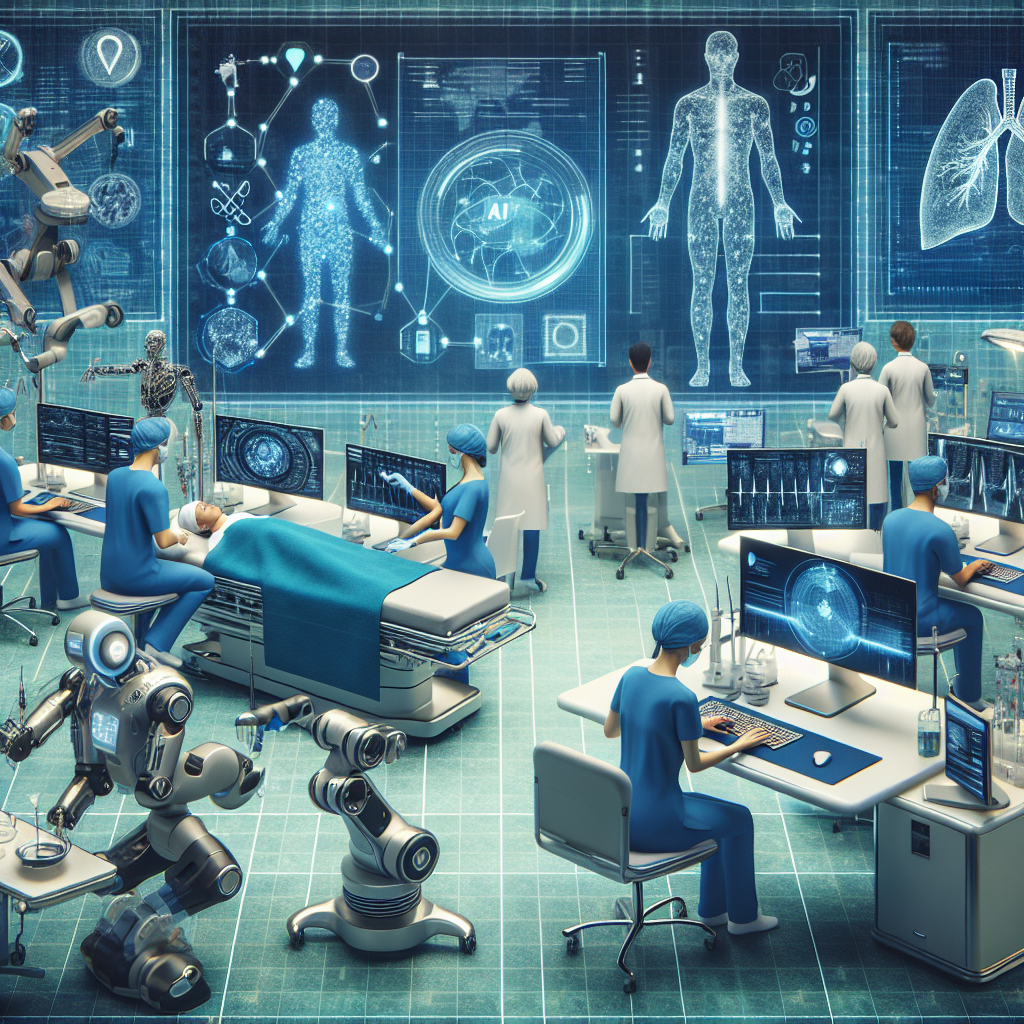
In recent years, artificial intelligence has become an essential part of many industries, and healthcare is no exception. Its ability to improve practices, optimize processes, and provide real-time information is redefining the way healthcare facilities operate. But how does AI improve patient safety in hospitals?
Improving surgical precision with AI
All surgical procedures require a high level of precision, as even the smallest error can lead to complications. Although surgeons are highly trained, technological assistance can enhance their accuracy and decision-making during complex surgeries. AI-based video analytics is positioning itself as a key tool to improve surgical interventions.
Automated video systems can analyze real-time images of the surgical area, providing guidance to the medical team during the procedure. By using advanced machine learning algorithms and image recognition, these systems can highlight critical areas, differentiate tissues, and improve the accuracy of surgical tool placement.
Additionally, AI can track the movements of the surgical team, identifying any deviations from optimal techniques. This feedback mechanism helps correct potential errors before they become serious problems, improving patient safety and reducing recovery times.
The role of AI in monitoring sedation levels
Both over-sedation and under-sedation can lead to serious complications, such as respiratory difficulties or waking up during surgery. Monitoring medication administration is crucial in procedures requiring general anesthesia.
Traditionally, doctors have relied on tools and observations to assess a patient's sedation level, although these methods can be subjective or prone to human error. This is where AI comes in with video monitoring systems.
By analyzing subtle facial signals such as blink rate, pupil dilation, and facial muscle movement, AI can provide accurate information about the patient's sedation. If irregularities are detected, alerts can be generated for medical staff to adjust sedation in real time, reducing the risk of complications.
AI in postoperative recovery
The period after surgery is key to the patient's recovery, requiring constant monitoring to detect any issues and ensure a proper healing process. While traditional follow-up relies on medical check-ups and patient-reported information, AI-powered video analytics is optimizing this phase.
AI systems can monitor recovering patients through analysis of movements, alertness levels, and overall well-being. For example, they can detect if a patient tries to get up too soon, preventing potential falls. They can also recognize facial expressions and body language associated with pain or discomfort, allowing for a faster response from medical staff.
Likewise, automation can help track vital signs such as breathing or heart rate through video, identifying alterations that require immediate medical intervention.
Reducing human errors and improving patient care
Even the most experienced professionals can make mistakes, especially in high-pressure environments like operating rooms. Fatigue, distractions, and workload can lead to errors in medication administration or patient assessment. AI helps reduce these errors by providing continuous monitoring and preventive alerts.
One of the fields where AI has the greatest impact is medication management. Automated systems can verify that the correct doses and medications are administered, ensuring that medical staff follow proper protocols to avoid dosing errors.
Another aspect where AI improves hospital safety is healthcare hygiene. Video-based monitoring can ensure that staff comply with hand disinfection standards before and after attending to patients, reducing the risk of hospital-acquired infections.
Strengthening hospital security
Hospitals are high-traffic environments where security challenges are constant. From unauthorized access to loss of medical equipment, maintaining a safe environment is essential for the protection of patients and staff. While traditional security measures such as surveillance cameras and security personnel have been effective, AI brings advanced capabilities to this area.
AI-powered surveillance enables real-time monitoring with automated alerts and early threat detection. Video systems can identify unusual behaviors before they become threats, such as unauthorized access or the presence of suspicious objects.
Additionally, AI improves access controls through facial recognition and credential identification, ensuring that only authorized personnel enter restricted areas such as operating rooms or intensive care units.
Another crucial application is the protection of medical assets. High-value hospital equipment can be misplaced or stolen. Through object recognition, AI solutions can track the movement of these resources, ensuring their availability when needed.
AI can also play a role in emergency response. If a patient or visitor suffers a fall, AI can detect it immediately and alert medical staff. In situations of violence or crisis, smart cameras can identify risky behaviors and notify security before the situation escalates.
In a world where technological advances are redefining healthcare, at Q2BSTUDIO we work on developing technological solutions that improve patient safety and optimize hospital processes. Thanks to our expertise in artificial intelligence and video analytics, we help hospitals implement advanced systems that minimize errors, optimize operations, and strengthen hospital surveillance.
As artificial intelligence continues to evolve, its role in hospital safety will become increasingly relevant. With innovative solutions and intelligent automation, we can contribute to a future where hospitals are safer and more efficient for everyone.