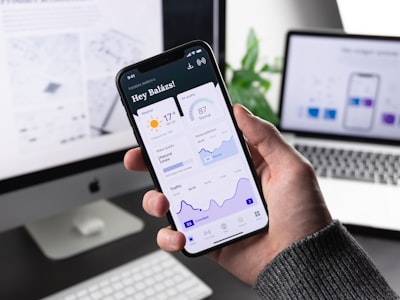
Twice a year, Wisconsin public schools receive a list of their enrolled students with the color-coded prediction of the DEWS system next to each name: green for low risk, yellow for moderate risk, and red for high risk of dropping out.
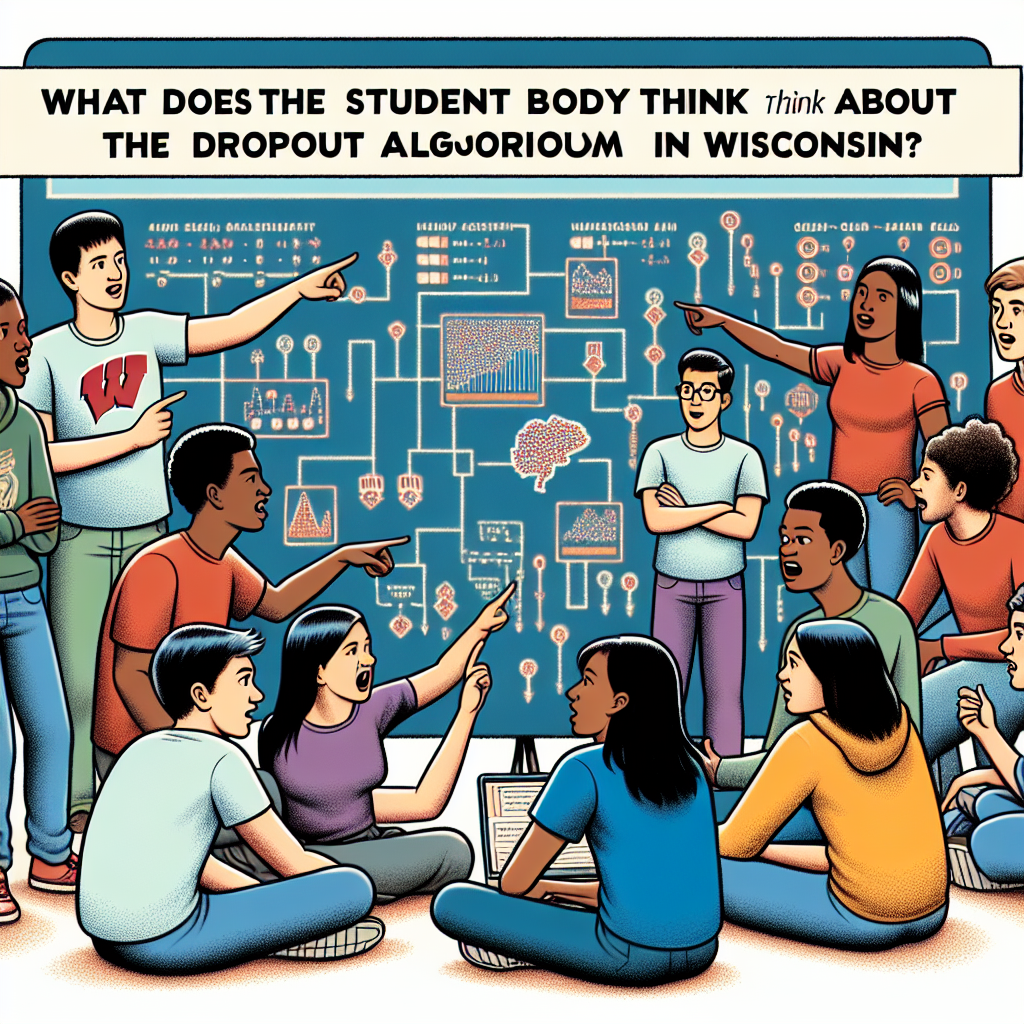
What do students think about Wisconsin's dropout algorithm? Opinions are diverse and reveal tensions between its usefulness in preventing dropout and concerns about privacy and equity. Many students understand that a system that flags early warning signs can facilitate intervention and personalized support, but at the same time they fear the stigma associated with receiving a risk label.
Among the most common comments are doubts about transparency: how information is collected, what variables feed the predictions, and who has access to the data. The lack of understandable explanations generates distrust and the feeling that important decisions can be made without human consultation or the possibility of appeal.
Another critical point is potential bias. If historical data reflects social or educational inequalities, the algorithm can reproduce those injustices and disproportionately flag students from vulnerable communities. For many young people, it is essential that predictive tools include audit processes and correction mechanisms to avoid false positives and discrimination.
Even so, several students value the advantages when the system is used correctly: early alerts that activate real resources such as tutoring, psychological counseling, and individualized follow-up can change academic trajectories. The key, according to them, is that the algorithm is a help, not a verdict, and that human oversight and context-sensitive intervention plans always exist.
From a technical and ethical perspective, it is important to incorporate principles of explainable intelligence, privacy by design, and continuous performance evaluation. Clear visualization and communication tools help students, families, and teachers understand what the colors mean and how that prediction translates into concrete support.
At Q2BSTUDIO we help design and implement technological solutions that combine precision and responsibility. We are a custom software and application development company specializing in artificial intelligence, cybersecurity, and AWS and Azure cloud services. We offer custom software and custom applications designed to integrate good privacy practices and bias controls, as well as business intelligence services to transform data into useful decisions.
Our services include design of AI models with emphasis on explainability, AI for business, development of AI agents, implementation of Power BI for actionable reports, and secure architectures on AWS and Azure. In addition, we guarantee comprehensive cybersecurity and periodic audits so that predictive systems meet ethical and legal requirements.
If a school or district wants to leverage prediction to intervene without harming its students, it is advisable to collaborate with providers that offer transparency, traceability, and community participation. Q2BSTUDIO can support the creation of platforms that allow external audits, dashboards for teachers and families, and mechanisms for students to understand and question the system's conclusions.
Ultimately, students' opinions about the Wisconsin dropout algorithm underscore that technology can be a powerful tool as long as it serves people. With responsible development and solutions like those offered by Q2BSTUDIO, it is possible to combine artificial intelligence with privacy protection, equity, and cybersecurity to generate real and measurable impact in reducing school dropout.