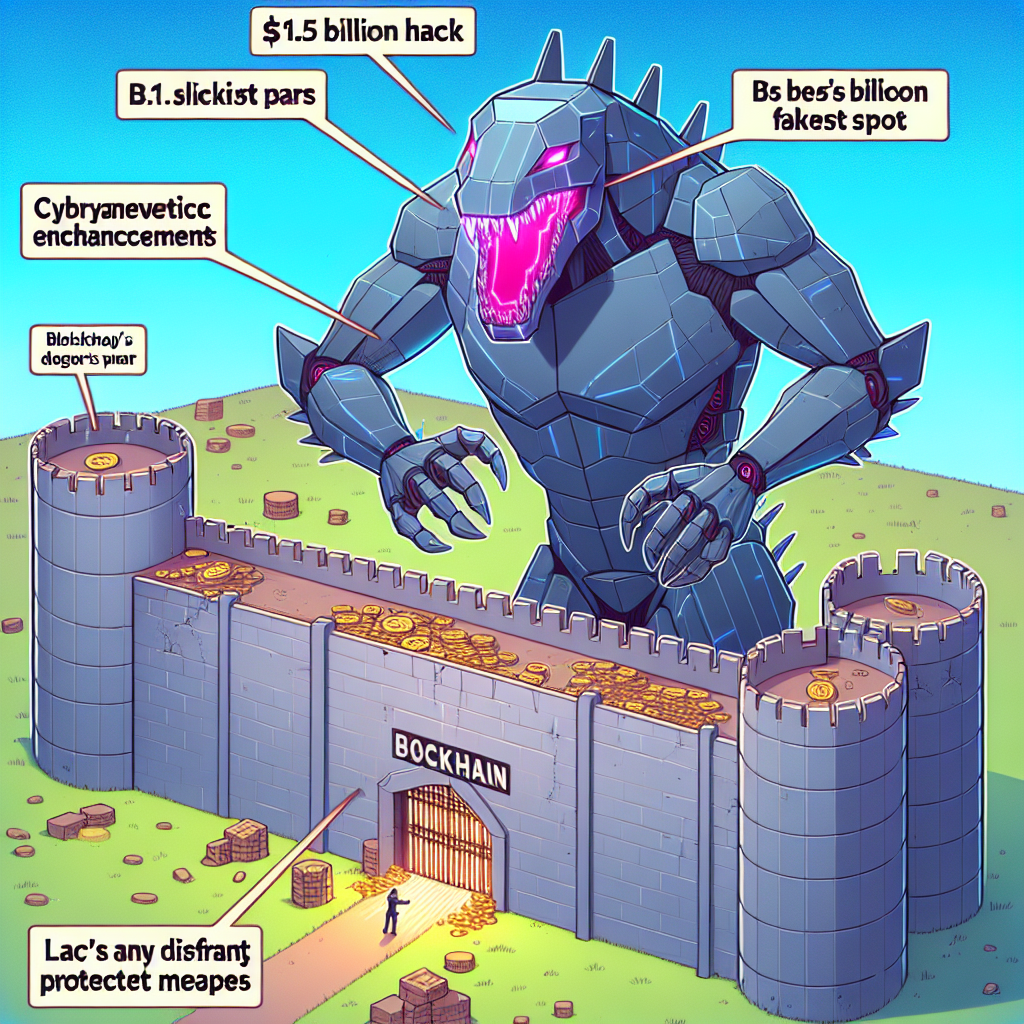
Last month, hackers stole a staggering $1.5 billion from the cryptocurrency exchange platform Bybit, in what has been called the largest digital theft in history. This attack has once again called into question the security of cryptocurrencies, with critics pointing to vulnerabilities in the sector's security. However, the reality is that the problem was not a flaw in the underlying technology, but a human error in security.
The attack occurred when the company was making a routine transfer of Ethereum from a cold wallet, a highly secure storage system disconnected from the internet, to a hot wallet, which allows faster access to funds for daily operations. The attackers managed to access the software that controls these transfers by compromising a developer's machine. Through modifying the user interface and injecting malicious code, they managed to manipulate the transaction approval process, redirecting funds to accounts under their control.
One of the key factors that facilitated the attack was blind signing, a process in which employees approved transactions without being able to fully verify the data on screen. The attackers exploited this vulnerability to make fraudulent transfers appear legitimate.
The responsibility lies with human security, not with the blockchain technology itself. The transparency of the blockchain allows funds to be traced, although some of the money has been converted into harder-to-track coins, such as Monero.
Bybit responded quickly, securing emergency funding to restore liquidity and launching a bounty program to track the stolen funds. A real-time leaderboard has been implemented to incentivize the recovery of the money and bring those responsible to justice.
Learning from this attack is crucial to prevent future incidents. Eliminating blind signing in favor of more transparent processes is essential, as is implementing multi-factor authentication for critical transfers. Multi-party computation (MPC) wallets are emerging as a safer alternative to seed phrases, as they distribute fragments of private keys to avoid a single point of failure.
Additionally, continuous employee training in cybersecurity is fundamental. Attacks evolve, and it is vital that teams know how to recognize warning signs before it is too late. Real-time monitoring systems, powered by artificial intelligence, can detect anomalous patterns and trigger immediate reviews to prevent unauthorized withdrawals.
At Q2BSTUDIO, a company specialized in technological development and services, we understand the importance of security in the digital ecosystem. We work with companies to strengthen their systems, implement advanced cybersecurity solutions, and foster a culture of prevention against cyberattacks. Proactive protection and continuous training are key to avoiding catastrophic losses and ensuring system reliability.
This incident underscores that the problem lies not in blockchain technology, but in human errors and social engineering aimed at exploiting operational weaknesses. The question is whether the industry will learn from this case and take preventive actions to avoid the next major attack. In an environment where hackers will continue to seek new opportunities, only those who strengthen their protective measures will be able to stay one step ahead.