.jpg)
Intercompany reconciliation is one of the most complex processes in the financial management of corporate groups. When transactions between subsidiaries multiply, manual errors, time lags, and lack of visibility can extend the accounting close for days or even weeks. Automating this process not only accelerates consolidation but also reduces risks and frees up team time for higher-value tasks. But where to start? The first step is to conduct an internal diagnosis: identify the most critical flows, the currencies involved, and the matching rules between entities. Without a clear map, any solution risks falling short.
Once the scope is defined, it is advisable to explore the tools that best fit the organization's reality. This is where custom software takes center stage. Generic solutions often require costly adaptations or compromise key functionalities. In contrast, a platform expressly designed for the company's ecosystem can integrate with the ERP, manage multiple currencies, and apply complex business rules without friction. Additionally, the incorporation of artificial intelligence allows the system to learn reconciliation patterns and propose automatic matches, drastically reducing exceptions. AI agents can even predict recurring discrepancies and suggest corrections before they become problems.
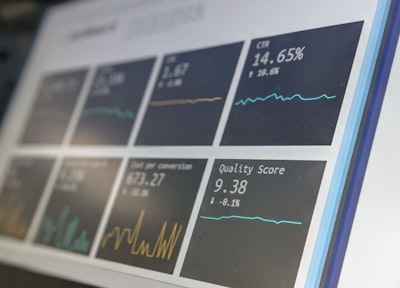
Technological infrastructure also plays a fundamental role. AWS and Azure cloud services offer elasticity and security to handle massive data volumes without compromising performance. Hosting the solution in the cloud facilitates decentralized access for subsidiaries, maintaining data integrity through advanced cybersecurity policies. It should not be forgotten that intercompany data is sensitive and must be protected both in transit and at rest. On the other hand, managerial visibility is enhanced with Power BI and other business intelligence services, which transform reconciliation results into interactive dashboards. This way, managers can monitor the status of each account, detect bottlenecks, and make informed decisions in real time.
Progressive implementation is the key to success. Instead of tackling the entire group at once, it is recommended to start with a controlled pilot in one region or business unit, measure the results, and scale based on evidence. During this phase, having expert guidance is useful: Q2BSTUDIO, as a software and technology development company, accompanies organizations from the initial analysis to production deployment. Their experience in process automation and custom applications allows them to design solutions that integrate seamlessly with existing systems, maximizing return on investment.
Ultimately, taking the first steps in automated intercompany reconciliation requires strategic vision, appropriate technology, and a pragmatic approach. The combination of artificial intelligence, cloud, and business intelligence not only accelerates the accounting close but transforms financial management into a proactive and predictive area. And with the support of a specialized partner like Q2BSTUDIO, the path to automation becomes safer and more efficient.