
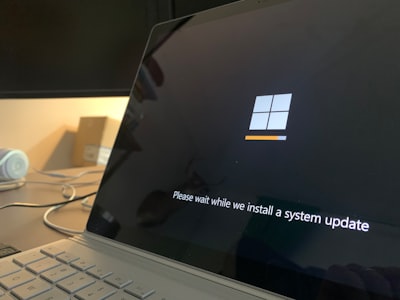
Microsoft has recently sent a new communication to Windows 10 users, informing them that the Extended Security Updates (ESU) period has been extended until October 2027. This move, although expected by many analysts, has profound implications for both consumers and businesses that still rely on this operating system. The company, instead of pushing with aggressive upgrade campaigns, adopts a pragmatic tone: it recognizes that migrating to a new team takes time and money. For millions of users whose PCs meet Windows 11 requirements, this extension is a respite; For those whose computers were left out due to strict hardware requirements, it is practically a sentence to continue with a system that will no longer receive free patches. However, Microsoft's message also opens a door to strategic reflection, especially in the business environment, where the planning of technological infrastructure should not depend exclusively on the manufacturer's deadlines.
Microsoft's decision reflects an uncomfortable reality: Windows 11 has not achieved the expected pace of adoption. According to data from Statcounter, its market share has stagnated at around 70%, leaving a significant percentage of devices pinned to Windows 10. This stagnation is no coincidence. Technical barriers – such as the need for TPM 2.0 and eighth-generation processors and above – left out perfectly functional equipment, just at a time of high component prices. Many users, both individuals and companies, chose to delay the investment. Now, with the extension of the ESUs, that postponement becomes more viable. But the key question is: what does this mean in the long term? Maintaining an operating system without official support, even with paid extensions, comes with cybersecurity risks that no company can ignore. Therefore, instead of seeing this news as a simple permission not to update, it is better to turn it into an opportunity to rethink technological strategy.
For organizations, the extension of ESUs is not an excuse for inaction. On the contrary, it is a valuable period to make an orderly transition to more modern and safer environments. One of the most effective ways is to adopt AWS and Azure cloud services, which allow critical workloads to be migrated regardless of the on-premises operating system. By centralizing security and updates in the cloud, enterprises reduce reliance on on-premises patches and gain flexibility. In addition, cloud environments facilitate the implementation of business intelligence services such as Power BI, which transform historical data into actionable information without the need to invest in new hardware. In this context, companies such as Q2BSTUDIO offer comprehensive solutions that range from migration to cloud platforms to the development of applications as they are integrated with hybrid infrastructures. For example, a company that still operates on Windows 10 can modernize its internal processes using custom software that works both on the current system and in the cloud, ensuring business continuity.
Another critical aspect is cybersecurity. While Microsoft offers paid ESUs for consumers and businesses, these extensions don't cover all vulnerabilities that may arise. An older operating system, even if it receives critical patches, is still a potential target for attacks targeting unpatched vectors. Therefore, organizations should complement ESUs with additional layers of protection. This is where cybersecurity and pentesting services become relevant. Conducting regular audits, implementing advanced firewalls, and training staff in best practices are essential measures. At Q2BSTUDIO we help companies assess their risks and strengthen their defenses, even when the underlying operating system is not the most modern. Combining official extensions with proactive security strategies can extend the life of computers without exposing sensitive data.
Beyond security, artificial intelligence is emerging as a key tool to optimize the management of heterogeneous infrastructures. AI for business makes it possible to automate monitoring processes, detect performance anomalies, and predict hardware failures before they occur. For example, AI agents can analyze Windows 10 event logs to identify vulnerability patterns or suggest priority updates. In addition, artificial intelligence applied to predictive maintenance reduces downtime and extends the life of existing equipment. At Q2BSTUDIO we develop bespoke software solutions that integrate AI capabilities, enabling companies to make the most of their current technology park as they plan for future migration. It's not just about waiting for Microsoft to decide on the next deadline, but about building a resilient architecture that evolves with the needs of the business.
The implications for the corporate sector are even more profound. Many companies invested in legacy apps that only work on Windows 10 or earlier. Migrating them to a more modern system can be costly and risky. The extension of ESUs gives room to redesign those applications using bespoke applications that are cross-platform and scalable in the cloud. At Q2BSTUDIO, we offer bespoke software development services that enable legacy modernization without disrupting operations. In addition, integration with power BI and other business intelligence tools turns that local data into dashboards accessible from any device, regardless of the operating system.
In short, Microsoft's message to Windows 10 laggards is not just permission to postpone the purchase of a new PC. It's a reminder that technology advances, but strategic decisions need to align with each organization's actual capabilities. Taking advantage of these additional months to invest in cloud, cybersecurity, artificial intelligence and custom software development will not only extend the useful life of current equipment, but will prepare companies for the future. At Q2BSTUDIO we understand these challenges and offer comprehensive solutions that combine AWS and Azure cloud services, enterprise AI, and cybersecurity consulting. The time to act is now, not when official support ends for good.
.jpg)
.jpg)
.jpg)
.jpg)