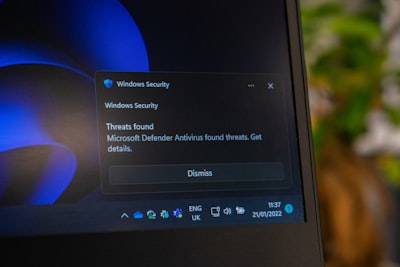
Cybersecurity is no longer a matter that can be handled calmly. Microsoft has just modified its long-standing recommendation on installing security patches: it is no longer advisable to wait days or weeks to apply Windows updates. The reason is compelling and transforms the digital protection landscape: artificial intelligence (AI) is being used by attackers to discover and exploit vulnerabilities in a matter of hours, much earlier than was the case with manual methods. This forces companies, professionals and users to rethink their update policies and, above all, to understand how technology can be both a threat and a shield.
The paradigm shift is evident. Until recently, it was common practice to delay the installation of patches to see if compatibility or stability issues arose in the systems. That caution, which made sense when cyberattacks took weeks to materialize, is now dangerous. With generative AI and machine learning models, hackers can analyze a patch's code, identify the underlying vulnerability, and develop a functional exploit in less than 24 hours. Reaction time has been compressed, and what was once a safe margin is now a critical exposure window.
Microsoft has reacted forcefully. In its most recent recommendation, the company urges rolling out Windows updates within a maximum of three days, with zero or one-day deadlines and a grace period of just two days. This guideline, which applies to both corporate environments and personal teams, reflects the urgency of closing the doors that AI makes easier to open. As an example, last June records were broken with 206 vulnerabilities fixed in a single month, which indicates that the threat does not stop growing.
But not everything is negative. Microsoft itself has developed AI-based tools, such as MDASH, that scan Windows code for suspicious patterns and allow flaws to be identified before they are exploited. This shows that artificial intelligence can also be a powerful ally in defense. The key is how companies integrate these capabilities into their security strategy, combining rapid patches with broader technology solutions.
For organizations, this reality imposes a new standard. It's not enough to have an antivirus or firewall; A cybersecurity architecture is needed that includes early detection, automated response, and the ability to adapt to threats that evolve at machine speed. This is where custom software and custom applications come into play. Developing systems that monitor patch status in real time, automate patch deployment, and generate intelligent alerts is an investment that dramatically reduces exposure.
In addition, cloud infrastructure plays a fundamental role. AWS and Azure cloud services provide native tools to centrally manage updates, segment networks, and enforce security policies. However, the correct configuration of these environments requires in-depth knowledge that many companies do not have internally. Having a technology partner that understands both the cloud and security is essential to not leaving gaps open.
Artificial intelligence not only threatens, it also protects. AI agents can analyze millions of security events a day, identify anomalous behavior, and block attacks before they cause damage. Integrating these capabilities into first-party systems or third-party platforms allows companies to stay ahead of cybercriminals. AI for business is no longer a luxury, but an operational necessity.
Another key aspect is risk visibility. Power BI-based business intelligence services allow you to create dashboards that show the status of updates, pending vulnerabilities, and attack trends. With that information, IT teams and managers can make data-driven decisions, prioritize critical patches, and justify security investments. Business intelligence thus becomes a pillar of proactive cybersecurity.
We cannot forget that process automation is the silent ally. While humans sleep, automated systems can download and install patches, reboot servers in a controlled manner, and verify that everything is working properly. At Q2BSTUDIO we develop solutions that integrate these capabilities, from custom applications to complete security orchestration platforms. The key is to adapt the technology to the real needs of each organization, without depending on generic solutions that often become obsolete.
Microsoft's message is clear: there is no longer any room for delay. Every day without updating is an opportunity that attackers can take advantage of with the help of artificial intelligence. Companies that want to stay secure must act quickly, but also intelligently. Investing in state-of-the-art cybersecurity , well-configured cloud solutions, and defensive AI tools is the way to stay put. In this context, having a technology partner that offers development, consulting, and support services makes all the difference.
At Q2BSTUDIO we understand that technology is advancing fast, and that security cannot afford to wait. That's why we offer services ranging from custom software design to the implementation of AWS and Azure cloud services, including the integration of AI agents and the development of dashboards with Power BI. Our approach is practical: we help companies close the gap between threat speed and responsiveness. Because in a world where AI speeds everything up, the only smart option is to get ahead of the curve.