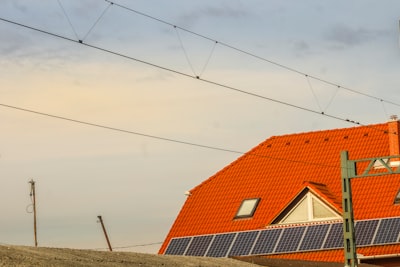
The energy transition is advancing unstoppably, and more and more households and companies are opting for photovoltaic solar energy as a renewable and profitable source. However, one decision that generates debate is whether it is advisable to install a domestic battery at the same time as the solar panels or if it is better to wait. In this article, we look at why it makes sense to opt for rooftop solar but delay investment in storage, and how software technology, artificial intelligence, and cloud services can optimize that strategy.
Installing solar panels on the roof is, today, one of the smartest decisions to reduce electricity bills and contribute to sustainability. The sun gives energy every day, and with a well-sized photovoltaic system a large part of daytime consumption can be covered. However, the home battery, which stores surplus for use at night, is still an evolving technology. Costs have fallen, but the cost-benefit ratio is not always favourable for the average residential user, especially when there are mechanisms to compensate for surpluses with the electricity grid. In addition, the useful life of lithium-ion batteries, the most common chemical, is limited (between 8 and 15 years) and their recycling is not yet fully resolved. For this reason, many experts recommend investing in panels first and waiting for storage technologies, such as solid-state batteries or flow batteries, which promise greater durability and lower environmental impact, to mature.
From a business point of view, the decision is even more strategic. Companies that install solar plants in their warehouses or logistics centres usually prioritise direct self-consumption during production hours. For them, the surplus can be injected into the grid and earn income, or stored if the price of electricity at night is very high. But this is where intelligent energy management comes into play. It is not enough to have panels and batteries; You need software that optimizes when to upload and unload the system based on pricing, demand, and the weather forecast. It is at this point where technological solutions make the difference.
At Q2BSTUDIO, as a software and technology development company, we know that the key to maximizing the return of a solar installation is not only in the hardware, but in the digital layer that governs it. We develop custom applications that allow you to monitor the production, consumption and status of batteries in real time. These platforms, deployed on AWS and Azure cloud services, guarantee scalability, security and global availability. In addition, we integrate artificial intelligence to predict solar generation based on weather data and historical patterns, automatically adjusting charging cycles. This is especially useful for those who decide to wait before installing a physical battery: an AI-based management system can simulate the behavior of a virtual battery, optimizing the dump to the grid or the use of programmable appliances.
Cybersecurity also plays a fundamental role. Energy management systems connected to the internet are a potential attack vector. That's why we Q2BSTUDIO offer pentesting and auditing services to ensure that neither panels nor future storage systems are vulnerable. Likewise, business intelligence allows companies to make informed decisions about their energy investment. Using Power BI and other visualization tools, we create dashboards that show real savings, payback, and environmental impact, all based on reliable and up-to-date data.
Another aspect to consider is the evolution of electricity tariffs and regulation. In many countries, access tolls and grid discharge charges are changing, and it is expected that in the future consumers with batteries will be able to participate in flexibility markets or ancillary services. To do this, a software infrastructure is needed that allows communication with network operators and the execution of load/download orders in milliseconds. This is where AI agents come in, autonomous systems that negotiate on behalf of the user within distributed energy platforms. At Q2BSTUDIO we are developing these smart agents so that companies and households with solar panels – even without a physical battery – can take advantage of energy arbitrage opportunities.
The decision to wait to install batteries is not simply a matter of cost, but of technological strategy. While chemistries are improving and prices continue to fall, the sensible thing to do is to focus on a good solar installation and a smart control system. With custom applications, cloud services, and data analytics, you can replicate much of the benefits of a battery without the upfront investment or wear and tear on the hardware. In addition, integration with AI for business makes it possible to automate complex decisions, such as when to sell surplus or when to charge an electric vehicle.
In short, betting on solar energy on rooftops is a wise move, but the home battery can wait if you have the right digital ecosystem. The combination of custom software, artificial intelligence, cybersecurity and business analytics allows maximizing the use of solar generation without the need for immediate physical storage. At Q2BSTUDIO we help companies and individuals to design this technological roadmap, offering modular solutions that adapt to both those who already have panels and those who plan to install them. The solar revolution is not only a matter of panels, but of data, algorithms and intelligent control.