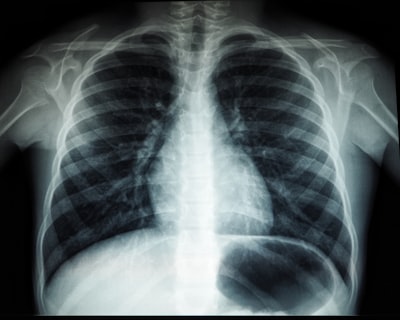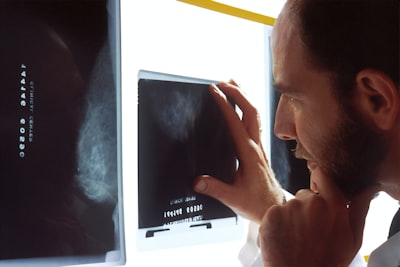
The intersection of genomics and medical imaging has taken a qualitative leap thanks to artificial intelligence. A recent study shows how a genomic language model, Evo~2, combined with routine clinical imaging, enables the discovery of gene–phenotype associations at a genome-wide scale, even for rarely mutated genes that conventional methods overlook. Applied to cohorts of kidney, liver and breast cancer, this approach not only recovers known driver genes but identifies dozens of new candidates with statistical significance, opening the door to a new era of personalized diagnosis and treatment.
Behind this breakthrough lies a technological infrastructure that goes beyond the algorithm. Processing and correlating millions of mutations with radiomic features extracted from segmented CT scans requires custom software capable of integrating heterogeneous data, ensuring clinical information security, and providing cloud scalability. Companies like Q2BSTUDIO, specialized in multiplatform application development and the implementation of artificial intelligence, cloud AWS/Azure, cybersecurity and Business Intelligence solutions, are essential to bring these discoveries from the lab to clinical practice.
The study’s methodology is particularly innovative because it eliminates the need for task-specific training. Evo~2 assigns a severity score to each somatic mutation based solely on the genomic context learned during its pre‑training. Then, per‑gene aggregated scores are correlated with radiomic features (shape, texture, tumor margins) while controlling for total mutational burden. The result is a systematic sweep that, in clear cell renal carcinoma, identified 46 additional genes beyond established cancer panels, many of them linked to Mendelian ciliopathies and cytoskeletal diseases. This finding suggests that previously unconsidered biological pathways could be involved in tumor progression.
From a business perspective, the ability to perform this kind of hypothesis‑free analysis has immense value. Pharmaceutical and biotech companies can use these results to prioritize therapeutic targets, while hospitals can integrate risk prediction into clinical workflows. For that integration to be effective, a robust platform combining cloud storage (AWS or Azure), intelligent agents that automate data extraction, and Power BI dashboards that visualize gene‑imaging correlations in an accessible way for physicians is needed. Q2BSTUDIO offers precisely those services, helping build the backend and analytics layer that turn the promise of radiogenomics into an operational reality.
One of the most striking aspects of the work is that the discovered genes are not frequent mutations but rare alterations that conventional driver‑detection methods ignore. This aligns with the idea that many cancers originate from combinations of low‑frequency events that can only be unveiled by crossing multimodal data: genomic and imaging. Artificial intelligence, particularly language models applied to biological sequences, acts as a bridge between both dimensions. In this sense, the study validates a paradigm where AI does not need to be specifically trained for cancer; simply with its knowledge of the genomic language it can predict the functional impact of any mutation.
For health‑tech companies, this advance represents a clear differentiation opportunity. Implementing a similar pipeline requires skills across multiple disciplines: from data engineering to handle VCF and DICOM files to optimizing language models with GPUs in the cloud. Q2BSTUDIO, with its expertise in artificial intelligence and custom application development, is in a privileged position to help startups and research centers deploy these solutions securely, scalably, and in compliance with regulations such as HIPAA or GDPR. Cybersecurity is a fundamental pillar when dealing with patient data, and the pentesting and auditing services offered by the company ensure that platforms are protected against threats.
Moreover, gene‑imaging correlation is not limited to oncology. The same methodology could be extended to neurodegenerative, cardiovascular or rare diseases, where MRI or PET images contain rich phenotypic information that has so far not been systematically linked to uncommon genetic variants. Each new application will require adapting genomic language models and radiomic feature extraction tools, a task that perfectly matches the custom software development approach offered by Q2BSTUDIO.
In summary, the study represents a milestone in AI‑assisted radiogenomics, but its true impact will depend on the ability to translate these findings into clinical and business environments. Collaboration between researchers and technology companies like Q2BSTUDIO, which bring expertise in cloud, artificial intelligence, cybersecurity and Business Intelligence, accelerates that path. Personalized cancer treatment based on each patient’s genetic and radiological profile is no longer speculation: it is a reality that, with the right infrastructure, can become the standard.