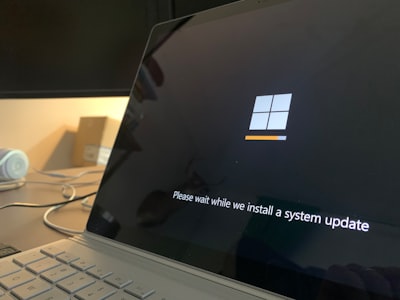
The recent controversy involving Microsoft, LG, and McAfee has brought an uncomfortable reality to light for millions of users: hardware manufacturers and software giants can turn any system update into a vehicle for installing unwanted software. It all started when owners of LG monitors, especially high-end gaming models like the LG OLED, discovered that connecting the monitor via HDMI or DisplayPort caused Windows Update to automatically download and install an application called 'LG Monitor App Installer.' This app not only included useful calibration tools or dual control features, but also enabled a free McAfee antivirus trial, which manifested as pop-up ads every time the PC booted up. The community reacted immediately and forcefully, with users reporting on forums like Reddit and platforms like YouTube, where the Gamers Nexus channel conducted an exhaustive investigation that confirmed the intrusive behavior.
Microsoft, initially silent, was forced to respond after Epic Games CEO Tim Sweeney publicly highlighted the issue. Pavan Davuluri, Executive Vice President of Windows, stated on X that Microsoft had contacted LG and that the Korean manufacturer 'agreed to disable the McAfee pop-up.' However, this solution seems like a temporary patch: the LG Monitor App Installer continues to be automatically installed via Windows Update on all compatible LG monitors, and the only change is that, for now, the McAfee ad is not displayed. The door remains open for LG to reactivate that same advertising slot or replace it with another product at any time, since the advertising infrastructure within the program remains intact.
This case exemplifies a worrying trend in the industry: the normalization of advertising in operating systems and paid software. Windows 11 includes ads in the Start menu, widgets bar, Settings app, and even File Explorer. Now, hardware manufacturers can also leverage the Windows Update mechanism to distribute their own sponsored applications, often without explicit user consent. In LG's case, the 'SoftwareComponent' application installs silently and, according to Gamers Nexus reports, requests excessive permissions: access to 'all system resources' and the internet connection. LG's privacy policy allows collection of hardware device info, geolocation, online activity, and account data, raising concerns about the possible use of that data for advertising or analytics purposes.
From a technical perspective, what happened reveals a vulnerability in the trust model of Windows Update. Originally designed to keep drivers and system software safely updated, the mechanism has been exploited by LG to insert additional code that neither the user nor the operating system properly filters. This kind of practice recalls the days of bloatware on low-end computers, but now applied to high-value peripherals like monitors costing over $1,000. The difference is that previously the user could choose not to install the extra software; here, installation is automatic and silent.
For businesses and developers, this incident underscores the importance of having custom software solutions that guarantee granular control over what is installed and executed on systems. At Q2BSTUDIO, we understand that user trust is the most valuable asset in any digital ecosystem. That is why we offer cybersecurity services that help detect and mitigate threats like covert adware, as well as cloud consulting on AWS/Azure to implement secure and scalable platforms. Additionally, our Business Intelligence solutions with Power BI allow organizations to monitor software behavior across their device fleets, identifying anomalies and avoiding unpleasant surprises like those suffered by LG users.
Artificial intelligence also plays a key role in proactively detecting such practices. AI agents can analyze installation patterns and network traffic to alert about unwanted software before it harms productivity or privacy. At Q2BSTUDIO, we develop custom AI agents that integrate with IT management systems, providing an additional layer of defense against supply chain attacks like the one involving LG and McAfee. Likewise, software process automation can help create workflows that verify the legitimacy of each update before applying it, preventing unauthorized advertising content from reaching end users.
The LG-McAfee case is not an isolated incident but a symptom of a systemic problem: the line between useful software and advertising software is becoming increasingly blurred. Microsoft, which earns billions in advertising revenue, has a vested interest in maintaining this ecosystem. However, the quick response under media pressure suggests that the company can still be sensitive to public opinion when the scandal is big enough. The lingering question is: how long until the next case of covert adware, and what other brands are using the same method?
For CIOs and IT managers, this situation reinforces the need to adopt a zero-trust approach even for official system updates. Hybrid cloud, whether with AWS or Azure, offers governance tools that allow auditing what software is installed and why. At Q2BSTUDIO, we help companies design cloud architectures that include application control policies, protecting endpoints against unauthorized installations. Furthermore, our cybersecurity solutions include pentesting services to identify attack vectors similar to those exploited by LG.
In conclusion, Microsoft's decision to pressure LG into disabling the McAfee pop-up is a step in the right direction, but insufficient. Without a deep revision of how Windows Update handles third-party software and without a real commitment to removing intrusive advertising from the operating system, the problem will persist. The industry needs clearer standards and control tools that return sovereignty to users over their own devices. At Q2BSTUDIO, we are committed to that goal, offering technology that combines artificial intelligence, automation, and cybersecurity to build a more transparent and secure digital ecosystem.