Flock Safety cameras have become a ubiquitous presence in over 4,000 US cities, with more than 90,000 devices installed that scan license plates and capture vehicle images 24/7. But what exactly are they tracking, and how can you find out if your city is part of this surveillance network? This article examines the technical workings of these cameras, their legal and cybersecurity implications, and offers tools to verify their local presence, all from a business and technology perspective that invites reflection on the balance between security and privacy.
From a technical standpoint, each Flock camera functions as an intelligent perimeter sensor. It uses computer vision and AI algorithms to identify not only the license plate but also the make, model, color, and specific features like roof racks or decals. The data is sent encrypted to the cloud — primarily AWS or Azure — where it is stored for 30 days by default and integrated with analytics systems (such as Power BI) to generate movement patterns. This ecosystem of custom software allows law enforcement to correlate incidents in real time, but it also exposes vulnerabilities if the infrastructure lacks robust cybersecurity.
For citizens and businesses, the key question is: how do I check if my city uses Flock cameras? There are several avenues. The most direct is to consult the public map that Flock Safety maintains on its website (though it is not always up to date). You can also review city council meeting minutes, request public procurement records via FOIA requests, or use citizen tools like 'FlockAlert' that aggregate report data. If your municipality has contracted these systems, contracts are often visible on transparency portals. As a software development company, at Q2BSTUDIO we recommend local governments implement BI-based dashboards to audit the use of these cameras and ensure compliance with data protection regulations.
Beyond surveillance, Flock Safety's model represents a success story in the convergence of AI, cloud, and custom applications. The company generates millions through a SaaS model where municipalities pay an annual fee per camera. This has spawned an ecosystem of startups offering complementary solutions, from predictive crime analytics to integration with access control systems. However, the lack of a clear federal legal framework in the US has left the door open to unauthorized secondary uses, such as tracking individuals by private investigation agencies or even employers. Here cybersecurity comes into play: without end-to-end encryption and multi-factor authentication, millions of citizens' data could be vulnerable to leaks. That is why, at Q2BSTUDIO, we offer pentesting and security auditing services for intelligent video surveillance platforms, helping to identify breaches before they are exploited.
Another critical aspect is interoperability. Many cities integrate Flock cameras with their own criminal databases or third-party facial recognition systems, multiplying the risk of algorithmic bias. A responsible solution involves developing middleware that acts as a control layer, allowing administrators to define retention and access policies. At Q2BSTUDIO we design multiplatform applications that serve as a secure bridge between IoT devices and analytics dashboards, using cloud AWS/Azure to scale without compromising privacy.
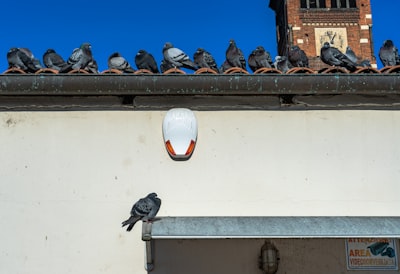
For those who want to dig deeper, local verification can also be done by downloading open data from some cities that publish their lists of active cameras. Another tactic is to check traffic signs: Flock cameras are typically mounted on metal poles with solar panels and a distinctive white or gray casing. If you find one, you can note its location and search municipal records for an installation permit. Finally, citizen pressure has led some councils to require privacy impact assessments before renewing contracts. This kind of transparency is key to avoiding a dystopian scenario where every movement is recorded without oversight.
In summary, the 90,000 Flock cameras are not just a technological product; they reflect how AI and cloud are transforming public safety. The decision to adopt them must be balanced with ethical governance, independent audits, and software solutions that ensure data is not used beyond authorized purposes. From our experience in process automation, we believe technology can be an ally of privacy if designed with responsible artificial intelligence and secure cloud architectures. Does your city already have them? Checking is the first step to deciding whether we want to live under the permanent lens of a camera without our explicit consent.