The rise of artificial intelligence in software development has fundamentally transformed how teams generate code. A single prompt can now produce hundreds of lines of functional code in seconds, accelerating the writing phase but shifting cognitive load toward review. In this new paradigm, code review is no longer a mere formality before integration; it becomes the true driver of quality, security, and maintainability. At Q2BSTUDIO, as a company specialized in custom software development, we have been integrating AI agents into our workflows for over a year, and we have learned that careful review is the only way to turn generation speed into real business value.
The first link in this chain is active self-review by the author. Before AI, the developer understood every line because they had written it personally. Now, most code is generated by an agent, and the developer acts more like a conductor than a performer. Reviewing the generated code as if it were someone else’s work, verifying it aligns with the project’s architectural principles and truly solves the problem without introducing new ones, is a critical step. Additionally, language models tend to produce more verbose code than necessary; therefore, we must constantly ask whether each block is essential and seek simplifications. This back-and-forth process with the agent not only improves the outcome but also teaches how to craft more precise prompts and define reusable skills that streamline repetitive tasks. However, neither skills nor predefined rules eliminate the need for rigorous human review.
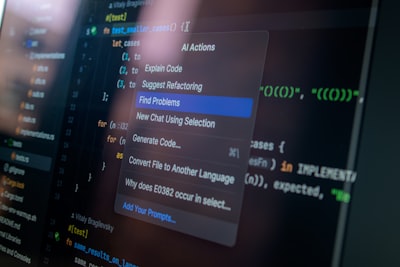
The second level is automated review, often integrated into the CI/CD pipeline. An AI agent analyzes the pull request for edge cases, security risks, or unhandled null values. This layer provides speed and consistency that a human reviewer would struggle to maintain, but it lacks business and historical context. It may suggest technically correct changes that are inappropriate for the existing architecture or product strategy. Therefore, the developer must critically evaluate each recommendation: not everything the bot says is applicable, and blindly accepting automated suggestions can erode system coherence. Moreover, large pull requests generate an avalanche of automatic comments that overwhelm the team; keeping changes small and focused is the best practice to keep this phase manageable.
Finally, peer review remains essential, but its burden is drastically reduced if the previous stages have been executed correctly. In an optimal flow, the reviewer only needs to validate the set from a business or high-level architecture perspective, trusting that the author and the automated tool have already filtered obvious issues. However, when self-review is deficient, the reviewer ends up assuming full responsibility for quality, an unsustainable situation in the long run. The author must also be able to explain why every piece of code exists and how it works; if they cannot, future maintenance becomes a nightmare. This is one of the most alarming risks of the AI era: teams producing code at breakneck speed while senior engineers spend their time reviewing and validating, instead of creating new implementations. AI accelerates generation, but not necessarily the delivery of functional and maintainable software.
To address these challenges, a comprehensive approach combining tools, processes, and culture is necessary. At Q2BSTUDIO we have developed our own methodologies that integrate AI agents with agile practices, ensuring that every line of code is understood and validated. Our artificial intelligence services not only generate code but also assist in automated review and in creating optimized prompts for each domain. Furthermore, cloud infrastructure plays a key role: platforms like AWS or Azure allow executing continuous review pipelines and storing change histories that feed agents with context. That is why we offer cloud AWS/Azure solutions that guarantee a scalable and secure environment for these processes.
Cybersecurity must also be present at every review stage. AI-generated code can contain subtle vulnerabilities, from SQL injections to poor session handling. Therefore, in our cybersecurity projects (contextual link, not forced) we integrate automated scans and specific manual reviews. Likewise, business intelligence, such as Power BI dashboards, benefits from careful review of queries and data transformations generated by agents. At Q2BSTUDIO we offer BI/Power BI services where we apply these same review principles to ensure accurate and reliable reports.
A fundamental lesson we have learned is that pull request size matters more than ever. Small, focused changes facilitate review for both the author and the reviewer, reduce uncertainty, and increase confidence in the product. Conversely, massive pull requests create a disproportionate burden and often hide problems that are not discovered until much later. This principle applies to both traditional and AI-generated code, and we have seen how teams that ignore it end up with accumulated technical debt and loss of control over the codebase.
In conclusion, code review in the AI era is not optional nor a mere formality: it is the backbone that upholds software quality. AI agents are extraordinarily powerful tools, but their output must be treated with the same rigor as that of a junior developer: it needs validation, context, and human oversight. At Q2BSTUDIO we have bet on a model where AI accelerates creation but human review guarantees excellence. Our custom software development services integrate this entire ecosystem, combining rapid generation with solid review processes. Only this way can we ensure that speed does not compromise quality, and that innovation translates into maintainable, secure products aligned with business needs.