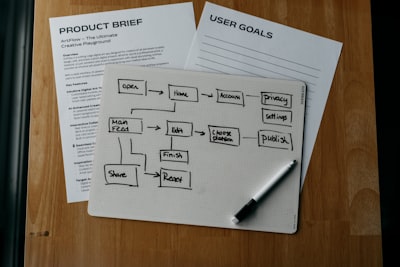
Business process optimization is not a passing trend but a strategic necessity for any company aiming to compete in an increasingly demanding digital environment. At Q2BSTUDIO, as a software and technology development company, we know that every workflow can be improved with the right tools and methodologies. Below, we present ten practical examples you can implement today to gain efficiency, reduce costs, and deliver better service to your customers.
1. Intelligent automation of repetitive tasks with AI agentsRoutine tasks such as data entry, report generation, or first-level support can be delegated to artificial intelligence agents and RPA systems. These agents learn patterns and execute processes without human intervention, freeing your team for higher-value activities. For example, an AI agent can classify incoming emails, assign tickets, and answer frequently asked questions in real time. The reduction in errors and increase in response speed are immediate.
2. Customer self-service portalA well-designed self-service portal allows users to manage their accounts, check orders, and resolve issues without contacting support. Implementing a custom web or mobile application built with custom software reduces the workload on customer service teams and improves the user experience. Additionally, integrating advanced chatbots resolves inquiries instantly.
3. Dashboards with BI and Power BI for decision-makingInformation is power, but only if it is accessible and understandable. Implementing a Business Intelligence solution, such as Power BI, enables real-time visualization of key performance indicators (KPIs) such as operational costs, cycle times, or customer satisfaction. With this data, managers can quickly identify bottlenecks and improvement opportunities.
4. Migration to the cloud with AWS or Azure for scalabilityMoving your systems to cloud platforms like AWS or Azure offers flexibility, reduced infrastructure costs, and high availability. A concrete example is migrating on-premise databases to managed cloud services, which automatically scale during demand spikes. Additionally, the cloud facilitates remote collaboration and integration with other tools.
5. Custom applications for complex workflowsNot all processes fit standard solutions. Developing a tailored application with custom software allows you to adapt every functionality to your organization's exact needs. For instance, a project management platform that automatically connects tasks, resources, and approvals can eliminate redundant steps and reduce delivery times by 40%.
6. Proactive cybersecurity with audits and pentestingWhen optimizing digital processes, security should not be an afterthought. Performing penetration tests (pentesting) and security audits with specialized cybersecurity identifies vulnerabilities before they are exploited. Protecting sensitive customer and employee data is essential to maintain trust and comply with regulations such as GDPR.
7. Inventory management with AI predictionAn artificial intelligence algorithm can analyze sales history, seasonality, and market trends to predict future demand. This allows you to adjust stock levels, avoiding stockouts or overstocks. Integrating this capability into a custom-developed ERP system optimizes working capital and improves logistics efficiency.
8. Unified remote collaboration with cloud toolsHybrid work is here to stay. Centralizing communication and project management on cloud platforms (like Microsoft Teams, Slack, Asana, or custom solutions) reduces information fragmentation. A personalized integration between these tools and your CRM or ERP, supported by cloud services, enables every team member to access up-to-date data in real time.
9. Agile methodologies and continuous retrospectivesAdopting frameworks like Scrum or Kanban, along with regular retrospective meetings, allows you to quickly identify inefficiencies. Furthermore, automating productivity report generation with Power BI enables you to visualize sprint progress and adjust workloads. This continuous improvement cycle accelerates value delivery to the customer.
10. Chatbots and virtual assistants with conversational AIAI-powered chatbots can handle recurring inquiries, schedule appointments, or guide users through purchasing processes. By training them with real cases, they become an efficient first filter that reduces the human team's workload. This technology, combined with artificial intelligence, can be integrated into web apps, mobile apps, or messaging channels.
In summary, process optimization not only improves profitability but also strengthens the culture of innovation within the company. At Q2BSTUDIO, we accompany organizations at every step, from diagnosis to implementation of advanced technological solutions. Contact us to discover how to transform your operations with custom software, AI, cloud, and cybersecurity.