When we develop a web application with Django, we usually focus on functionality, user experience, and visual design. However, there is a critical factor that determines whether our project will actually reach users: technical SEO. Without proper indexing by search engines, even the most elegant application risks going unnoticed. In this article, we will explore how to implement sitemap.xml and robots.txt in Django to improve organic visibility, and how these practices integrate into a broader enterprise approach that can benefit any digital business.
Technical SEO is not a luxury; it is a necessity. When a search engine like Google crawls your site, it needs to understand its structure and content. Two fundamental files to facilitate this task are sitemap.xml and robots.txt. The first acts as a map listing all public pages you want indexed, while the second tells crawlers which parts of the site they can or cannot explore. In a Django project, both can be dynamically generated, leveraging the framework to adapt to changing content.
Implementing a sitemap.xml in Django is straightforward thanks to the django.contrib.sitemaps module. You can define a class inheriting from Sitemap for each model you want to include, for example, recipes in a culinary blog. This class specifies the change frequency, priority, and location of each page. By linking it to your URL configuration, Django will automatically generate an updated XML each time /sitemap.xml is accessed. This ensures search engines always have the latest version of your content.
On the other hand, robots.txt is a plain text file placed at the domain root. In Django, you can serve it statically or via a custom view. It is best to use the framework's default view to avoid configuration errors. In this file, you define directives like User-agent: * to allow all crawlers, then indicate directories to exclude, such as admin pages or internal API URLs. Additionally, it is essential to include a reference to the sitemap.xml with the line Sitemap: https://yourdomain.com/sitemap.xml.
Beyond technical implementation, these tools become a pillar for any project aiming to be production-ready. At Q2BSTUDIO, we understand that technical SEO is just one piece of the puzzle. Companies that develop custom software know that online visibility directly impacts lead generation and brand credibility. Therefore, when designing solutions with Django, we integrate good SEO practices, performance optimization, and security from the start.
Speaking of security, we cannot overlook that cybersecurity is another critical factor in web development. A misconfigured robots.txt could expose sensitive information if it blocks the wrong pages or reveals admin routes. For this reason, in projects handling user data or transactions, it is advisable to conduct regular audits and implement measures such as encryption in transit and at rest. At Q2BSTUDIO, we offer pentesting and consulting services to ensure your application is not only visible but also robust against attacks.
Integrating AI can also boost technical SEO. For example, through AI agents that analyze crawler access logs and suggest improvements to the sitemap.xml structure to prioritize high-value pages. Moreover, AI agents can automate metadata generation and content optimization, freeing developers to focus on key functionalities. At Q2BSTUDIO, we develop artificial intelligence solutions that integrate directly into your tech stack, whether Django, Node.js, or others.
Another indispensable pillar is cloud infrastructure. If your Django project is hosted on AWS or Azure, you can leverage services like CloudFront to accelerate static file delivery, or a CDN to improve load speed, a factor Google values for ranking. Additionally, the automatic scalability offered by these providers ensures that your sitemap.xml and robots.txt are served quickly even under high demand. At Q2BSTUDIO, we help companies migrate and optimize their cloud infrastructure, guaranteeing performance and security.
We cannot ignore the role of Business Intelligence in SEO. With tools like Power BI, you can monitor organic traffic, identify underperforming pages, and correlate data with sitemap.xml updates. This information enables data-driven decisions to adjust content strategy and site architecture. At Q2BSTUDIO, we implement BI solutions that turn your application data into actionable insights.
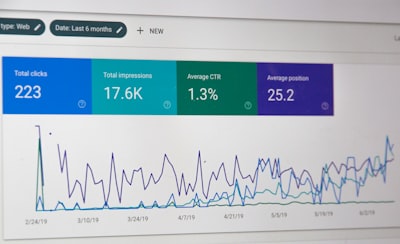
Returning to practical implementation, after adding sitemap.xml and robots.txt, it is time to verify everything works correctly. You can use tools like Google Search Console to submit the sitemap and check for crawl errors. Also, using Google's robots.txt tester is useful to confirm that directives are as intended. Once these files are active, search engines will start indexing your content more efficiently, resulting in better search rankings.
In conclusion, improving the technical SEO of your Django project with sitemap.xml and robots.txt is a small task with a big impact. It not only facilitates crawlers' work but also demonstrates a commitment to quality and professionalism. At Q2BSTUDIO, we understand that every detail matters when building custom software that must compete in the digital market. Therefore, we integrate these practices into our workflow, along with AI, cybersecurity, cloud, and BI services, to deliver complete and scalable solutions. So next time you deploy a Django project, do not forget to include these files and monitor their impact. Your online visibility will thank you.