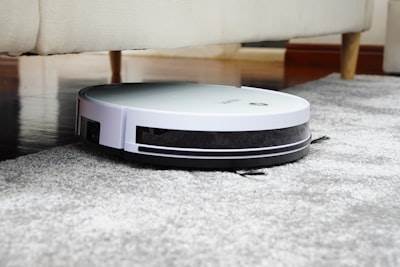
The recent disclosure of a critical vulnerability in the Shark robot vacuum, allowing an attacker to remotely execute root commands, has brought IoT device security to the forefront. This flaw, present in high-end models, exploits an insecure firmware update service, enabling malicious code injection without prior authentication. The exposure is especially concerning because these robots are usually connected to the home Wi-Fi network, opening the door to lateral attacks on other devices. At Q2BSTUDIO, a software and technology development company, the importance of implementing cybersecurity audits at every stage of the product lifecycle is emphasized, especially for devices with physical access and permanent connectivity.
The attack vector relies on the lack of signature validation in over-the-air (OTA) updates. An attacker with network access or through social engineering could spoof the update server and load a modified firmware granting administrator privileges. Once root control is obtained, the robot can be used for tasks such as cryptocurrency mining, espionage via microphones and cameras, or even as an entry point to compromise the connected home infrastructure. This case echoes previous incidents with other smart appliances, but the particularity here is that Shark is one of the most popular brands on the market, amplifying the potential impact. The lesson is clear: security cannot be an afterthought; it must be a foundational pillar from the design stage.
To mitigate similar risks, companies must adopt a holistic approach that combines the development of custom software with integrated security practices. At Q2BSTUDIO, DevSecOps methodologies are used, where penetration testing and vulnerability analysis are automated within the CI/CD pipeline. Additionally, the use of artificial intelligence (AI) enables real-time anomaly detection: for instance, an AI agent can monitor the robot's network traffic and identify unauthorized connection attempts or suspicious update patterns. These AI agents, trained on millions of attack samples, can block threats before a root compromise materializes.
Another key protection layer is the cloud infrastructure. Most robot vacuums rely on external servers for mapping, scheduling, and updates. Q2BSTUDIO recommends migrating or designing these platforms on cloud environments like AWS or Azure, leveraging their managed security services such as AWS WAF or Azure Security Center. These tools allow network segmentation, encrypted communications, and centralized access auditing. Furthermore, integrating Business Intelligence (BI) solutions with Power BI enables visualization of security alerts, patch status, and usage patterns in dashboards, facilitating informed decision-making by security teams.
The Shark vulnerability also highlights the need for manufacturers to review their update processes. Many IoT devices lack secure boot mechanisms or isolated execution environments. Q2BSTUDIO advocates for a hardware- and software-centric secure design, where every component—from bootloader to user application—is signed and verified. Implementing a robust update manager with bidirectional authentication and version control drastically reduces the attack surface. Moreover, adopting standards like Matter (for smart home) can simplify security, but does not replace a customized review.
From a business perspective, this news arrives at a time when cybersecurity has become a competitive differentiator. Companies investing in protecting their IoT products not only avoid lawsuits and reputational damage but also build trust with customers. Q2BSTUDIO collaborates with startups and large corporations to design tailored security strategies, ranging from continuous pentesting to AI-based intrusion detection systems. The Shark vulnerability serves as a reminder that no connected device is immune, and the best defense is a multi-layered, updated, and monitored security architecture.
Finally, consumers also play a role. Although primary responsibility lies with manufacturers, users can strengthen their security by segmenting their home network (e.g., creating a VLAN for IoT devices), keeping firmware updated, and disabling unnecessary features like remote access when not in use. Q2BSTUDIO offers guides and cybersecurity consulting services to help businesses and individuals understand these risks. In short, the Shark case shows that technology advances quickly, but security must keep pace. Only with a comprehensive approach—combining custom software, secure cloud, artificial intelligence, and BI—can we enjoy the convenience of smart homes without compromising privacy and data.