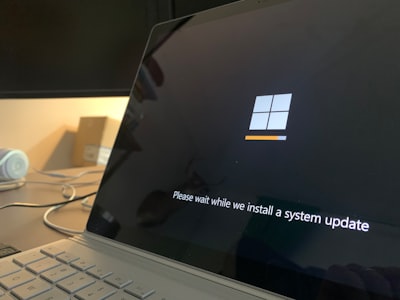
Microsoft has announced that as of August 2026, it will stop supporting OneDrive synchronization on Windows 10 versions prior to 22H2. This decision, communicated through the company's Message Center, means that users still running Windows 10 21H2 or older will no longer receive updates, bug fixes, or security patches for the OneDrive sync client. Although the service itself will not stop working immediately, Microsoft warns that 'existing installations may continue to function, but future functionality is not guaranteed.' This leaves users in a vulnerable position, as any technical issues that arise will remain unresolved by the manufacturer.
The move is not surprising, given that support for Windows 10 21H2 ended in June 2023, and Microsoft has been pushing users toward Windows 11. However, the company has confirmed that OneDrive will remain compatible with Windows 10 22H2 until October 2028, providing some relief for those who cannot or do not wish to upgrade to the new operating system. The support cut affects not only OneDrive but also Microsoft 365 file synchronization services, although again, the halt is not instantaneous.
For home users, the most obvious option is to upgrade to Windows 11, a move Microsoft eagerly desires. However, many businesses and organizations face a greater challenge: they rely on legacy applications that are not compatible with Windows 11, or have slow update policies due to validation and compliance processes. In such cases, the loss of OneDrive support can disrupt workflows, especially if teams use file synchronization for real-time collaboration.
An immediate alternative is to use the OneDrive web interface, which remains accessible from any browser, but is far less convenient than desktop synchronization. Another option is to migrate to third-party sync platforms, such as Nextcloud, which, according to a statement to The Register, works on Windows 10 1809 or later. However, transitioning to a new cloud storage system involves migration costs, training, and potential integration issues with other tools.
From a technical and business perspective, Microsoft's decision underscores the importance of keeping operating systems updated, not only for functionality but also for security. Older versions of Windows 10 that lose OneDrive support are also more vulnerable to cyberattacks, as Microsoft eventually stops providing security patches for the OS itself. Companies should consider a proactive update strategy that includes evaluating their IT infrastructure.
In this context, having a technology partner that offers custom software and cloud integration services can make a difference. Q2BSTUDIO, as a software development and technology company, helps organizations transition smoothly to modern environments. For example, migrating to AWS or Azure cloud not only ensures continuity of sync services but also opens the door to advanced capabilities such as cloud AWS/Azure with high availability and scalability.
Cybersecurity is another key pillar. Losing OneDrive support on older systems can expose corporate data to risks. Q2BSTUDIO offers cybersecurity solutions that include audits, pentesting, and endpoint protection, helping companies secure their information even as they migrate to new platforms.
Furthermore, artificial intelligence (AI) is transforming how businesses manage their data. By adopting modern cloud services, organizations can implement AI agents to automate repetitive tasks, analyze large volumes of information, and improve decision-making. Q2BSTUDIO develops custom AI solutions that integrate with tools like Power BI to deliver intelligent dashboards and data-driven predictions. Business intelligence (BI) with Power BI enables real-time visualization of key metrics, empowering business strategy.
For organizations still relying on older Windows 10, the recommendation is not to wait until the last moment. Planning a migration to Windows 10 22H2 or directly to Windows 11, or alternatively adopting a cloud ecosystem where file synchronization is managed by services like SharePoint Online or Microsoft 365, ensures business continuity. Moreover, solutions like AI agents can automate migration and data validation processes, reducing manual effort.
In conclusion, the end of OneDrive support on older Windows 10 versions is a reminder that technology moves forward and businesses must adapt. Although alternatives like using the web or third-party platforms exist, the most robust option is to upgrade the technological ecosystem with expert support. Q2BSTUDIO, with its expertise in custom software development, cloud, cybersecurity, AI, and BI, is ready to accompany organizations in this process, minimizing risks and maximizing performance.