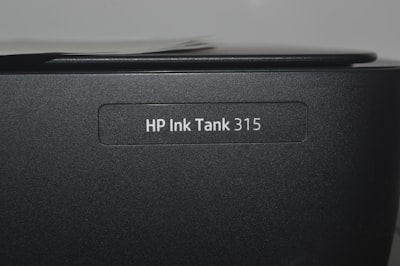
The recent fine imposed by the Competition Commission of India (CCI) on HP India and its partners, totaling 1.4 billion rupees (approximately $14.4 million), has shaken the technology sector. The penalty is for cartelization practices in the sale of computers, ink cartridges, and toner, where HP allegedly orchestrated agreements with distributors to inflate prices in public tenders. This case not only reveals vulnerabilities in government procurement processes but also raises questions about how companies can ensure transparency and efficiency in their technology supply chains.
The CCI determined that HP India colluded with several channel partners to manipulate bids in state contracts. The goal was to eliminate competition from other original equipment manufacturers (OEMs) and discourage the sale of 'counterfeit' cartridges and toner. However, the strategy led to systematic overpricing that harmed public administration and, ultimately, taxpayers. This anti-competitive behavior is not new in the computing and printing sector, but the magnitude of the fine reflects growing regulatory vigilance globally.
From a technical perspective, the case highlights the need to adopt digital tools that mitigate collusion risks and ensure the integrity of procurement processes. Companies participating in tenders, both public and private, can benefit from custom software applications designed to manage bids, track prices, and audit transactions in real time. A personalized software solution allows automating data collection from multiple sources, applying anomaly detection algorithms, and generating reports to comply with antitrust regulations.
Additionally, the cloud provides an ideal environment to centralize tender information and share it securely across departments. With cloud AWS/Azure services, organizations can implement scalable platforms that host price histories, contracts, and billing. The transparency offered by cloud computing makes it difficult for actors to hide illegal agreements, as every transaction is recorded and auditable. In HP's case, such a system could have alerted regulators to suspicious pricing patterns much earlier.
Another key tool is business intelligence (BI). With Power BI and other BI platforms, companies can visualize price trends, margins, and distributor behavior, quickly identifying deviations that suggest collusion. Interactive dashboards allow compliance officers to monitor indicators such as bid concentration or the recurrence of certain partners in awarded contracts. Thus, BI becomes a preventive shield against anti-competitive practices.
Artificial intelligence also plays a growing role in market oversight. AI agents can analyze large volumes of tender data, emails, and communication logs to detect collusion signals, such as coded conversations or synchronized pricing patterns. For example, an AI agent system trained on historical cases could automatically alert auditors when two distributors submit nearly identical bids in multiple contests. This predictive analysis capability is especially valuable for public bodies handling hundreds of tenders per year.
Cybersecurity is another fundamental pillar in this context. Bid rigging often requires exchanges of confidential information among conspirators, leaving digital footprints. A robust cybersecurity approach protects procurement management systems against unauthorized access while monitoring internal traffic for anomalous behavior. Penetration tests and periodic audits can reveal vulnerabilities that bad actors might exploit to hide their agreements. Additionally, implementing blockchain for immutable contract records adds an extra layer of transparency.
Beyond the specific HP case, the Indian fine sends a signal to the entire technology industry: authorities are willing to act firmly against practices that distort competition. Companies relying on complex distribution channels must review their business models and adopt digital solutions that ensure regulatory compliance. In this regard, partnering with specialized technology firms like Q2BSTUDIO can make a difference. Q2BSTUDIO is a software development and technology company offering comprehensive services to address these challenges, from custom applications to artificial intelligence, cloud computing, BI, and cybersecurity solutions.
For example, a tender management platform developed by Q2BSTUDIO could include modules for historical price tracking, automatic collusion alerts based on AI agents, integration with government databases, and Power BI dashboards for senior management. All hosted on AWS/Azure cloud infrastructure with the highest security standards. This way, organizations not only avoid hefty fines but also optimize their procurement processes, reduce costs, and foster fair competition.
The HP case also underscores the importance of transparency in the printing supplies supply chain. Ink cartridges and toner are high-margin products with strong demand in the public sector. Collusion in this area can lead to cost overruns that affect budgets for schools, hospitals, and administrations. A custom software solution can help public buyers automatically compare prices, verify product authenticity, and ensure suppliers are not coordinating their bids.
Furthermore, artificial intelligence can be applied to predict consumable demand and optimize inventory levels, avoiding shortages or excessive purchases that often open the door to collusive agreements. AI agents can even simulate market scenarios to assess whether offered prices are consistent with real competition. All this is part of a technology ecosystem that Q2BSTUDIO helps build, tailored to each client's specific needs.
In summary, the HP India fine is a case study demonstrating how technology can be both part of the problem and the solution. While cartelization benefited from the opacity of traditional processes, modern digital tools offer the transparency and control needed to prevent it. From custom applications to cloud, AI, BI, and cybersecurity, companies today have a technological arsenal to ensure their business practices are ethical and compliant. Q2BSTUDIO positions itself as a strategic ally on this path, providing solutions that not only avoid sanctions but also drive efficiency and innovation.
The lesson for the sector is clear: regulatory scrutiny is intensifying, and investment in compliance technology is no longer optional. Companies that embrace digitalization of their procurement and distribution processes will be better prepared to face audits and demonstrate their commitment to fair competition. In a world where data is the new oil, transparency is the best insurance against fines and reputational damage.