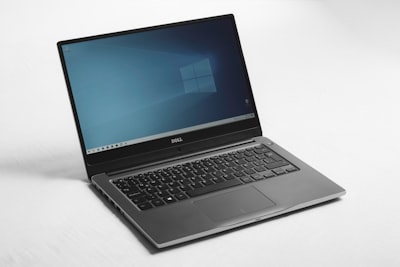
Last Patch Tuesday, Microsoft released its monthly security update for Windows, but the following day brought an unexpected twist: the company temporarily pulled the update for certain Dell devices due to severe overheating, unexpected shutdowns, poor performance, and battery drain on systems with Intel processors. While necessary, this decision has reignited debates about software validation processes in an ecosystem where release speed often conflicts with quality.
According to Microsoft's official communication, the April security update — which included a record number of CVEs, some already under active exploitation — was blocked for a limited set of Dell models. The company stated it is working with the hardware manufacturer to identify the root cause and expects a fix within days. However, the incident exposes cracks in pre-release testing workflows, especially for specific hardware-software combinations.
From a technical standpoint, the issue appears linked to thermal and power management on certain Dell motherboards with recent Intel chips. The Windows update, likely modifying low-level drivers or firmware communication, triggered conditions leading to critical overheating. Such errors not only affect user experience but can physically damage components if prolonged. For enterprises that had already applied the patch before the withdrawal, the recommendation has been to uninstall it temporarily — though this leaves them exposed to the vulnerabilities the patch aimed to fix.
The current cybersecurity landscape makes this decision particularly delicate. With artificial intelligence accelerating vulnerability detection and exploitation, any delay in applying critical patches opens risk windows. Just a week earlier, Microsoft had urged users to update as soon as possible, precisely citing AI-driven attackers. Now, ironically, affected Dell users are left without an update and uncertain when a stable version will arrive.
In this scenario, having a robust patch management strategy is more important than ever. It is not just about installing updates, but validating compatibility with corporate hardware and software. This is where companies like Q2BSTUDIO, specialized in custom software development, can make a difference. By having a team that understands both cloud infrastructure and desktop environments, it is possible to design update processes that include controlled testing, avoiding surprises like this Patch Tuesday.
Moreover, integrating cloud services such as AWS or Azure allows centralized patch management and progressive rollout policies. Q2BSTUDIO offers cloud services on AWS and Azure that facilitate staging environments before any change goes to production. This drastically reduces the impact of incidents like the one described, as incompatibilities can be detected before affecting end users.
On the other hand, this incident also highlights the need for monitoring and performance analysis tools. A Business Intelligence (BI) system with Power BI, for instance, can help companies visualize device behavior after an update, identifying thermal or power anomalies in real time. Q2BSTUDIO implements BI and Power BI solutions that enable IT departments to make data-driven decisions rather than assumptions.
Artificial intelligence also plays a key role in preventing such problems. AI agents can continuously monitor system logs and predict failures before they occur. Q2BSTUDIO develops custom AI agents that integrate with cloud platforms to alert about potential risks, such as incompatible drivers or thermal overload. This way, companies do not rely solely on manufacturer communications to protect their systems.
From a business perspective, the Microsoft-Dell episode underscores the importance of diversifying suppliers and not locking into a single ecosystem. Companies that have adopted a multicloud architecture and use custom applications developed by experts like Q2BSTUDIO have greater flexibility to bypass such blocks. If a patch is unavailable for specific hardware, workloads can be redirected to virtualized or cloud environments while waiting for a fix.
Cybersecurity, of course, is another pillar that must not be neglected. The patch withdrawal leaves Dell devices exposed to the vulnerabilities Microsoft had classified as critical. Until a corrected version is published, businesses must reinforce other defense layers: network segmentation, intrusion monitoring, and strict access policies. Q2BSTUDIO offers cybersecurity and pentesting services that help identify gaps before attackers exploit them, thus complementing the protection provided by official patches.
In conclusion, the Patch Tuesday block for some Dell devices is not just a technical anecdote but a wake-up call about the complexity of keeping systems secure in a heterogeneous environment. Collaboration between hardware and software vendors is necessary, but companies cannot wait passively. Investing in custom software, robust cloud infrastructure, artificial intelligence, and proactive cybersecurity is the best way to minimize the impact of such incidents. Q2BSTUDIO, with its expertise in custom applications, cloud, BI, and AI agents, positions itself as a strategic ally to navigate these challenges with confidence.