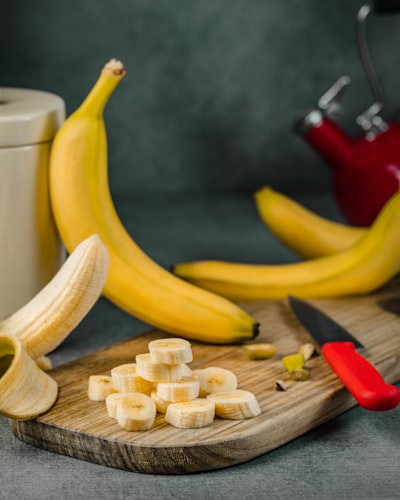
In recent years, a myth has circulated claiming that bananas 'destroy' the nutrients in smoothies, especially when combined with fruits like blueberries. This idea, popularized by figures such as Rhonda Patrick, originated from a 2023 study published in Food & Function, which examined how the enzyme polyphenol oxidase (PPO) present in bananas can reduce the bioavailability of certain flavan-3-ols, particularly (-)-epicatechin, an antioxidant characteristic of cocoa and tea. However, the interpretation of this finding has been exaggerated and taken out of context. There is no scientific evidence to support that bananas ruin the nutritional value of a mixed fruit smoothie.
The study in question only evaluated the effect of banana PPO on a specific type of polyphenol found in a cocoa extract. It did not include combinations of banana with blueberries, nor did it measure other antioxidants, vitamins, or minerals. In fact, the researchers themselves stated that bananas remain an excellent fruit to consume in smoothies. The myth stems from a sensationalist headline and the tendency to oversimplify complex scientific results.
From a technical perspective, it is important to understand that biochemical interactions between enzymes and compounds do not imply a global 'destruction' of nutrients. Bananas provide fiber, vitamin B6, vitamin C, magnesium, and quality carbohydrates. Moreover, their creamy texture enhances the sensory experience of the smoothie, which can encourage more frequent consumption of fruits and vegetables. In the context of a balanced diet, the marginal loss of some flavan-3-ols is irrelevant when considering the overall benefits.
If the goal is to maximize flavan-3-ol intake, the most effective recommendation is not to eliminate banana, but to incorporate rich sources of these compounds, such as green or black tea. For example, two small cups of green tea provide approximately 400 mg of flavan-3-ols, the amount recommended by the Academy of Nutrition and Dietetics. In contrast, to get that same amount from blueberries you would need more than 40 cups. So before giving up bananas, it is better to prioritize tea.
This debate also reflects a recurring problem in nutritional communication: the tendency to seek singular, drastic solutions. Instead of demonizing specific foods, it is more productive to understand the global dietary context and adapt recommendations to individual needs. This is where technology and data analysis play a fundamental role. For instance, at Q2BStudio we help companies develop Business Intelligence systems with Power BI that allow them to analyze eating habits, identify patterns, and optimize personalized nutritional plans. The combination of data science and nutrition opens up enormous possibilities for improving public health.
Furthermore, artificial intelligence and intelligent agents can process large volumes of dietary information and provide real-time recommendations. Imagine an app that, based on your preferences and goals, suggests optimal ingredient combinations to maximize nutrient absorption without sacrificing taste. This is already possible thanks to machine learning algorithms that integrate data on bioavailability, individual metabolism, and personal preferences. At Q2BStudio we develop custom AI solutions that enable clinics, gyms, and food companies to deploy this type of virtual assistant.
Another relevant aspect is cybersecurity. When handling sensitive health data, it is essential to ensure information protection. Platforms that store nutritional profiles must comply with regulations such as GDPR and employ end-to-end encryption. Our cybersecurity services include security audits, penetration testing, and secure deployment in cloud environments, whether on AWS or Azure. A robust and scalable cloud infrastructure is key to handling traffic spikes without compromising availability or privacy.
In short, the banana and smoothie myth is a perfect example of how a well-intentioned study can be misinterpreted if not analyzed rigorously. Science advances through interdisciplinary collaboration: biochemists, nutritionists, software engineers, and data experts working together. At Q2BStudio, we foster that integrative approach. We develop custom software applications, from telemedicine platforms to AI-based recommendation systems, always with an eye on usability and technical robustness. So next time you prepare a smoothie, do not hesitate to add that ripe banana. Your body will thank you, and if you want to further optimize your nutrition, we help you do it with cutting-edge technology.