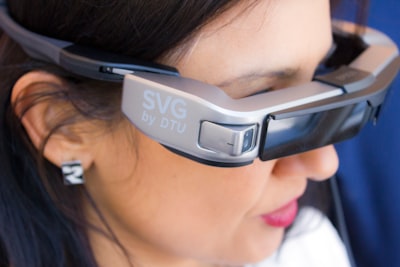
Apple is preparing to launch its first smart glasses, codenamed N50, at WWDC 17 in June 2027. The device promises to combine artificial intelligence, advanced audio, and integrated cameras, but faces a privacy dilemma that could jeopardize the company's reputation. While Meta's glasses are already known as 'pervert glasses' and have been banned from courts and cruise ships, Apple seeks a solution that doesn't sacrifice its 'privacy first' image. This article analyzes the technical and business strategies Apple could adopt to make its smart glasses less creepy, and how companies like Q2BSTUDIO are tackling similar challenges in custom software development.
The main technical challenge is to design a camera system that cannot be used to record video or take photos, but only to feed Apple's AI models. This requires a hardware and firmware architecture that irrevocably limits camera capabilities. Apple could implement a privacy coprocessor that encrypts the visual stream directly on the device, without allowing access to system memory. This approach aligns with the cybersecurity philosophy that many companies, including Q2BSTUDIO, apply in their pentesting and data security projects.
A promising solution is intelligent geofencing. Apple could integrate a system that automatically detects sensitive locations (courts, gyms, schools) and disables the camera in those environments. This functionality would rely on AWS/Azure cloud services to update prohibited zone databases in real time, an area where Q2BSTUDIO offers cloud infrastructure consulting. Additionally, users could configure their own 'fence' through an app, using an optional subscription model that activates privacy alerts.
Another possibility is redesigning the recording indicator light. Meta's glasses have a tiny LED that is barely visible; Apple could opt for a bright LED ring around the frame, visible from any angle. This would not only deter misuse but also serve as a branding element. However, there is a risk that users feel stigmatized. A subtler alternative would be a notification system for non-users: a free app that scans the environment for Bluetooth signals from the glasses and alerts the user. Apple could integrate this into iOS, similar to how it already detects unknown AirTags.
The integration with AI agents is another avenue. The glasses could include a local assistant that processes all visual information on the device, without sending data to the cloud. This would reduce the risk of data leaks and improve latency. To achieve this, Apple would need to optimize its Neural Engine chips and collaborate with artificial intelligence specialists, such as those in Q2BSTUDIO's teams working on custom AI agent projects. The real challenge is maintaining performance without sacrificing battery life.
From a business perspective, Apple could implement a premium subscription model that unlocks additional privacy features, such as environment scanning or activity reports. This would generate recurring revenue and align the company's incentives with user protection. In parallel, it could offer a BI/Power BI service for companies wanting to monitor glasses usage on their premises, something Q2BSTUDIO implements in its Business Intelligence solutions.
However, Apple could also choose to wait for public opinion to normalize, as happened with camera phones in the 2000s. But this passive strategy could cost it loyal customers who value privacy. To balance innovation and ethics, Apple should involve the developer community through an SDK that allows creating custom applications with granular permission controls. Companies like Q2BSTUDIO already work on custom software solutions that comply with privacy regulations like GDPR and could be ideal partners to audit the glasses' design.
In conclusion, Apple has the opportunity to redefine the privacy standard in wearables. By combining restricted hardware, geofencing, visible indicators, local AI agents, and innovative business models, it can launch smart glasses that do not generate backlash. The key will be transparency and offering real control tools to users. If it achieves that balance, it will not only avoid the 'creepy glasses' stigma but also set a precedent for the entire industry. Time is running, but Apple can still take the lead.