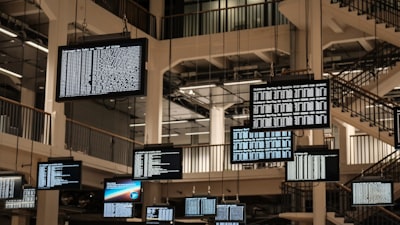
The rise of AI-powered data centers has generated growing tension between local communities and big tech companies. A recent case in Michigan exemplifies this conflict: an AI data center has faced a noise pollution lawsuit, a regulatory fine, and, in response, a buyout offer from the operating company. This incident highlights the operational and social challenges that accompany the expansion of critical infrastructure for cloud computing and machine learning.
The data center, located in a suburban area of Michigan, was designed to house high-performance servers for training AI models. However, the cooling systems and backup generators produce constant noise that exceeds local ordinance limits. Residents and civic associations filed a class-action lawsuit, alleging that the noise interferes with sleep, health, and quality of life. Municipal authorities imposed a significant fine, demanding immediate corrective measures. Under pressure, the owning company made a buyout offer to affected residents, seeking a negotiated solution.
From a technical perspective, this case reveals the complexity of designing modern data centers. The need to power high-consumption GPUs and TPUs generates enormous thermal loads, requiring liquid cooling or powerful HVAC systems. These systems, along with diesel backup generators, produce noise levels that are often not adequately considered in environmental impact studies. Companies operating these facilities must integrate cloud services on AWS and Azure to manage scalability, but the physical infrastructure remains a critical point.
The buyout offer, though controversial, reflects a corporate strategy to avoid prolonged litigation. However, it also raises questions about social justice: should citizens leave their homes for technology to advance? This dilemma is recurring in infrastructure projects, from wind farms to data centers. Tech companies increasingly require artificial intelligence solutions to optimize energy efficiency and reduce environmental impact, but local implementation remains a weak point.
The Michigan case also underscores the importance of cybersecurity in these facilities. An AI data center handles massive volumes of sensitive data, and any disruption due to noise or protests can translate into security risks. Companies must implement robust cybersecurity measures, both physical and logical, to protect system integrity. Additionally, continuous monitoring using Business Intelligence and Power BI tools allows early failure detection and optimization of energy consumption, thereby reducing the need for noisy generators.
Software development companies like Q2BSTUDIO offer customized solutions to address these challenges. For example, developing custom software enables integration of noise control systems and early alerts, automating responses when decibel thresholds are exceeded. Similarly, implementing AI agents can predict cooling demand peaks and dynamically adjust equipment, minimizing nighttime noise. Process automation through tailored software also helps companies comply with local regulations without sacrificing performance.
Another relevant aspect is hybrid cloud management. Many AI data centers combine on-premise infrastructure with AWS or Azure cloud services to balance costs and flexibility. Q2BSTUDIO offers consulting on cloud AWS/Azure, helping design architectures that distribute computational load across locations, reducing the need for noisy local servers. This strategy not only lessens acoustic impact but also improves energy efficiency and data security.
The conflict in Michigan is not an isolated case. As AI demand grows, more communities face the arrival of mega data centers. Local authorities are reviewing zoning and noise regulations, and tech companies must adapt. Transparency and collaboration with residents are key. Initiatives such as installing acoustic barriers, using liquid immersion cooling, or relocating generators can mitigate problems, but require investment and political will.
From a business perspective, this case demonstrates that AI expansion is not just about algorithms and data, but also about integration with the physical environment. Companies investing in process automation and renewable energy are better positioned to avoid conflicts. Q2BSTUDIO, with its expertise in custom software, AI, cybersecurity, and BI, can accompany organizations on this path, offering technological tools that harmonize innovation with social responsibility.
In conclusion, the AI data center in Michigan is a microcosm of the challenges facing the tech industry. The noise lawsuit, fine, and buyout offer reflect the need for a more holistic approach in designing and operating these infrastructures. Technology should serve society, not disrupt it. With solutions like those offered by Q2BSTUDIO, it is possible to move toward a future where artificial intelligence and community well-being coexist harmoniously.