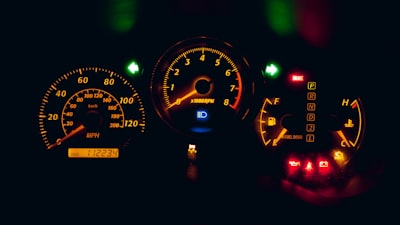
The tire pressure monitoring system (TPMS) light is a critical safety feature, mandatory in all vehicles sold in the U.S. since 2007 thanks to the TREAD Act. However, when that light stays on persistently, it can cause confusion and concern. Understanding why it happens and how to fix it not only improves road safety but also optimizes fleet management in business environments. From a technical and business perspective, addressing this symptom involves analyzing sensors, embedded software, and monitoring systems that are increasingly integrated with IoT platforms and data analytics.
Common causes of the TPMS light staying on The most obvious reason is a genuinely low tire pressure, but the system can activate even when pressure is correct. One of the most frequent failures is a dead TPMS sensor battery, which typically lasts 5–10 years. When the battery dies, the sensor stops transmitting data, and the light comes on. It is also common for the sensor to suffer physical damage during tire mounting or dismounting, or for the air valve to corrode. Sudden temperature changes, especially in winter, can reduce pressure enough to trigger the light even if the tire is in good condition. Additionally, after a tire change or rotation, sensors may lose synchronization with the vehicle's ECU, requiring a relearn process. In vehicles with indirect systems (using ABS sensors), a fault in wheel bearings or brakes can falsely trigger the alert.
Technical diagnosis: beyond simple pressure To resolve the issue, a professional workshop uses OBD-II scanners that read TPMS fault codes. These codes indicate whether the failure is due to low pressure, low sensor battery, defective sensor, or communication loss. In a business setting where a fleet may have dozens of vehicles, manual management is impractical. That is why more companies are adopting monitoring systems based on custom software that integrate TPMS sensor data with cloud platforms. These solutions allow detecting behavior patterns, anticipating failures, and automating alerts, reducing unplanned downtime and maintenance costs.
Practical solutions for drivers and businesses The first step is to manually check the pressure of all tires with a calibrated gauge. If pressure is correct, you can try resetting the system following the vehicle's owner manual (sometimes a button on the dashboard or via the onboard computer menu). If the light persists, the defective sensor must be replaced. Professional recommendation is to replace all sensors at once when one fails, as batteries have similar lifespans. From a business perspective, fleets can benefit from predictive maintenance based on historical data. That is where AI comes in: machine learning algorithms analyze pressure, temperature, and mileage trends to predict when a sensor is about to fail, avoiding unexpected breakdowns.
Integration with cloud technologies and cybersecurity Modern TPMS systems transmit data wirelessly, which opens the door to cyberattacks if not properly protected. In corporate environments where vehicles are connected to company networks, cybersecurity becomes essential. Penetration testing and vulnerability analysis help ensure that pressure data is not intercepted or manipulated. Additionally, data collected by sensors (pressure, temperature, location) is stored in cloud AWS/Azure infrastructures, enabling real-time analysis. With BI/Power BI tools, fleet managers can visualize dashboards with key indicators: percentage of tires at risk, sensor replacement cost, fuel efficiency, etc. This visibility drives informed decisions and reduces downtime.
Intelligent agents and process automation A further step is the implementation of AI agents that act as virtual assistants for maintenance technicians. For example, an agent can receive a low battery sensor alert, check the spare parts inventory, schedule a workshop appointment, and send a reminder to the driver, all without human intervention. These automations are possible thanks to development platforms like those offered by Q2BSTUDIO, which specializes in creating custom applications integrating IoT, cloud, and AI. For logistics and transportation companies, this translates into significant savings and higher customer satisfaction by avoiding delays due to punctures or preventable failures.
Conclusion: from a pesky light to a competitive advantage The TPMS light should not be ignored. Whether due to a dead sensor or a simple temperature change, fixing it in time prevents accidents and extends tire life. In the business realm, this small symptom reveals the need for a comprehensive technological approach: from IoT monitoring to predictive AI analytics, plus cloud data security. Q2BSTUDIO offers the knowledge and tools to turn a daily problem into a source of operational efficiency. If your fleet still manages tires reactively, it is time to consider a leap toward digitalization with custom software, cloud, and artificial intelligence solutions.