For years, 3D printing has been a field where the promise of artificial intelligence clashed with the reality of STL files riddled with errors. Models that looked perfect on screen turned into nightmares in the slicer: non-manifold geometry, zero-thickness walls, or impossible meshes. However, a new generation of tools is changing that narrative. We are talking about AI-based image-to-STL converters that, instead of optimizing for visual rendering, prioritize printable geometry from the very first step. This approach represents a qualitative leap for makers, designers, and companies that need to move from a visual idea to a physical prototype without spending hours on manual modeling.
The key lies in how the AI analyzes the input image. Instead of simply performing a brightness-based extrusion (like classic heightmaps), modern systems identify silhouettes, contours, depth, and object edges. The result is a three-dimensional mesh that retains the overall shape and proportions, but with a structure designed to withstand the slicing and printing process. It is not magic; it is software engineering applied to additive manufacturing. For companies looking to integrate such capabilities into their workflows, having a technology partner like Q2BSTUDIO, specialized in custom software development, can make the difference between a generic solution and a platform tailored to specific needs.
The typical workflow of these tools consists of three stages: upload the image, generate the model, and export the STL file. In the upload phase, the system accepts common formats such as JPG or PNG, with a maximum size of 8 MB and a minimum resolution of 128x128 pixels. The best images have a simple background, even lighting, and the subject centered. After analysis, the AI reconstructs the geometry in seconds, allowing for rapid iterations. Once generated, you can preview the 3D model, rotate it, and decide whether to download it. The export offers STL as the primary format, although GLB, OBJ, and FBX are also available for those who need to work in programs like Blender or Fusion 360.
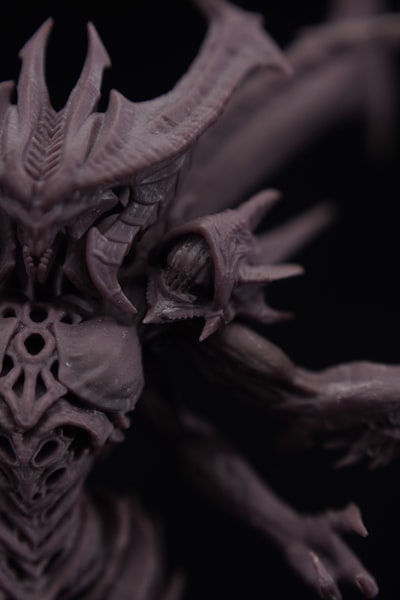
Use cases are numerous. Tabletop enthusiasts generate miniatures and accessories from sketches or illustrations. Home repairers photograph broken parts and obtain base models to manufacture replacements. Product designers convert quick sketches into tangible prototypes. Even in cosplay, armor pieces or custom jewelry can be created. However, the tool does not replace the work of an expert modeler; it is a starting point that accelerates the creative and productive process. For companies that need to scale this type of generation, combining it with AI agents and cloud services such as AWS or Azure allows automating the mass conversion of images into 3D models, integrating security and quality control.
Limitations exist, of course. The quality of the input image is decisive: blurry photos, complex backgrounds, or low-contrast subjects generate poor meshes. Moreover, the resulting model almost always requires refinement in editing software: adjusting wall thicknesses, repairing small imperfections, or adding supports. The transparency of these tools in pointing out their limits builds trust, but also makes clear that current AI is an assistant, not a complete replacement. To overcome those barriers, many organizations opt to develop custom solutions that integrate computer vision, machine learning, and semi-automated review processes. This is where the expertise of companies like Q2BSTUDIO in areas such as cybersecurity and Business Intelligence with Power BI adds differential value, ensuring that the data and generated models meet protection and business analysis standards.
From a business perspective, the ability to transform a 2D image into a printable file in minutes opens enormous possibilities for rapid prototyping, product customization, and reducing development costs. Small businesses can create on-demand products without hiring 3D modelers. Large companies can accelerate their R&D cycles by testing dozens of design variants in a single day. To make the most of this technology, the recommendation is to combine it with scalable cloud platforms (AWS, Azure) that manage AI workloads, and with automation systems that orchestrate the pipeline from image capture to final print. Q2BSTUDIO, as a software development company, offers consulting and implementation services in all these areas: from creating custom applications to integrating intelligent agents and BI dashboards to monitor performance.
In short, AI applied to image-to-STL conversion has moved past the skepticism phase. It is no longer about pretty demos that fail on the printer; there are tools that deliver practical and repeatable results. The challenge now is business-oriented: adopting these solutions strategically, with the right technical support and an integration vision that spans from cloud to data security. For those looking to take that step, having an ally like Q2BSTUDIO ensures that the technology not only works but also generates real competitive advantages in the market.