For years, my monetization strategy relied on sponsored posts. Every month I negotiated with brands, adjusted scripts, and accepted conditions that didn't always fit my style. I earned occasional income, but something broke: my community's trust suffered, and I felt more like a promotional loudspeaker than an authentic creator. When I reviewed the numbers, I found that sponsorships accounted for 70% of my revenue, but the hidden cost —in management time and reputation wear— was too high. I needed a change.
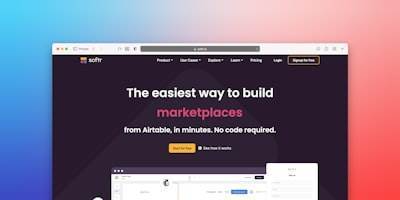
I then tried affiliate links, though initially with skepticism. The key was finding programs that offered recurring commissions, not just one-time payments. After several months, the affiliate model became my main income source, far exceeding what I got from sponsored posts. And best of all: I could recommend tools I actually used, without having to sell myself to a brand every week.
In this process, I discovered that affiliate technology works especially well when aligned with custom software solutions or cloud services. For example, AI platforms and intelligent agents are gaining traction among technical communities. But not everything works: you must select programs that offer recurrence and fit your audience.
My recommendation is to start by analyzing which tools you already use and whether they have affiliate programs with recurring commissions. Avoid those that promise high payouts but require aggressive promotions. Honesty is your greatest asset. If you maintain consistency between what you say and what you do, affiliate income becomes a stable and growing source. And although the path from sponsored posts to affiliate marketing isn't immediate, it's worth it for the freedom and genuine connection with your audience.