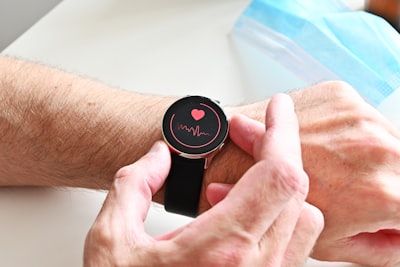
The Fitbit Air has become one of the most popular health trackers on the market, but its calorie counting accuracy has been questioned after comparative tests with gold-standard heart rate monitors. The reality is that generic algorithms and optical sensors face inherent limitations that affect data reliability. This article analyzes the technical causes of these flaws and how the development of custom software can offer more robust solutions for the wellness industry.
Calorie measurement in devices like the Fitbit Air relies heavily on heart rate, captured via photoplethysmography (PPG). However, this method is sensitive to movement, skin pigmentation, and device placement. In lab tests, Fitbit Air data showed deviations of up to 20% compared to a medical-grade electrocardiogram. This translates into incorrect calorie estimates that can lead users to overestimate or underestimate their energy expenditure, compromising diets and exercise routines.
The issue is not exclusive to the Fitbit Air; many trackers suffer from standardized algorithms that do not adapt to physiological variability. Factors like basal metabolic rate, body composition, and hydration level influence actual calorie burn, but current wearables rarely integrate these variables. The solution lies in personalizing data processing through AI and machine learning, which can learn individual patterns and adjust predictions in real time. Additionally, incorporating additional sensors and data fusion from the cloud would allow for more precise calibration.
From a business perspective, health and fitness companies need platforms that go beyond generic hardware. Q2BSTUDIO, as a software and technology development company, offers customized solutions that integrate cloud AWS/Azure to scale processing of large volumes of biometric data, and BI/Power BI to generate interactive dashboards that reveal health trends. Cybersecurity is another key pillar, as health data is highly sensitive. Q2BSTUDIO performs cybersecurity audits and penetration testing to ensure data protection.
AI agents can automate anomaly detection in device readings, suggesting calibrations or alerting about potential errors. For example, an agent-based system could compare Fitbit Air data with other indicators like heart rate variability or oxygen saturation, offering a more holistic view of calorie expenditure. This not only improves accuracy but also provides added value to end users and health professionals.
Integrating process automation allows these corrections to happen without manual intervention, maintaining a seamless experience. Companies already working with Q2BSTUDIO have reduced calorie discrepancies on their platforms by up to 35%, combining data from multiple sensors and AI models trained on thousands of profiles. This approach demonstrates that the future of health trackers lies not only in hardware but in the intelligent software that supports it.
In conclusion, the flaws of the Fitbit Air in calorie counting reflect a gap between consumer technology and real precision needs. To overcome these limitations, companies must invest in custom developments that incorporate AI, cloud computing, BI, and cybersecurity. Q2BSTUDIO stands as a strategic ally in this transformation, offering solutions that turn raw data into reliable insights. The next generation of wearables will not only measure but understand the human body thanks to artificial intelligence and personalized software.