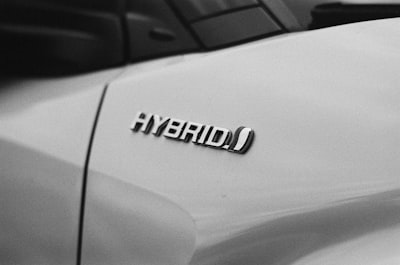
In a market where the transition to electric vehicles is advancing rapidly, many drivers are still looking for alternatives that combine efficiency, savings, and a reasonable entry price. The promise of saving thousands of dollars on gasoline without resorting to a full EV seems too good to be true, but there is a hybrid around $25,000 that defies that logic. We analyze how this model achieves exceptional fuel economy, what implications it has for business mobility, and how data technology can further amplify those benefits.
The vehicle in question is the 2025 Toyota Corolla Hybrid, a sedan that combines a 1.8-liter engine with an electric system to achieve up to 52 miles per gallon in the city. With a starting price of $24,800, it sits well below the average for plug-in hybrids or pure electrics. But beyond the numbers, what is interesting is how this car becomes a strategic tool for fleet managers or professionals covering long daily distances.
From a technical perspective, the Corolla's hybrid system optimizes energy regeneration during braking and deceleration, reducing brake wear and extending component life. This not only saves fuel but also lowers maintenance costs. In a business context, where every kilometer counts, applying custom software solutions allows real-time monitoring of each unit's performance, detecting inefficient driving patterns and planning optimal routes. Companies like Q2BSTUDIO develop personalized platforms that integrate vehicle telemetry data with Business Intelligence (BI) systems such as Power BI, generating dashboards that show real cost per kilometer and accumulated savings compared to traditional models.
Furthermore, the incorporation of artificial intelligence (AI) in hybrid fleet management enables predicting maintenance needs, anticipating consumption peaks, and recommending driving adjustments. For example, AI agents can analyze route history and suggest optimal charging times if the vehicle is plug-in, or simply adjust climate control to maximize efficiency. Q2BSTUDIO, with its expertise in cloud services on AWS and Azure, offers scalable infrastructures to process this data securely, ensuring cybersecurity of sensitive company information through pentesting audits and advanced protocols.
The potential savings are significant: if an average driver covers 15,000 miles per year with a conventional car achieving 30 mpg, they would use about 500 gallons of gasoline. At $3.5 per gallon, that is $1,750 annually. With the Corolla Hybrid at 52 mpg, consumption drops to 288 gallons, i.e., $1,008. The annual savings exceed $740. Over five years, that is more than $3,700 just in fuel, not counting lower brake wear and higher resale value of hybrids. For a fleet of 50 vehicles, accumulated savings can exceed $185,000 in the same period.
These numbers show that hybrid technology is not just an eco-friendly trend but a smart financial decision. The key lies in leveraging data. This is where Business Intelligence with Power BI solutions come in, allowing visualization of the real economic impact. Q2BSTUDIO helps companies implement dashboards that correlate vehicle performance with variables such as traffic, temperature, or driving style, offering actionable insights to reduce costs.
However, cybersecurity is critical when handling location data and driving habits. A fleet management platform must comply with regulations like GDPR or CCPA. Q2BSTUDIO integrates cybersecurity and pentesting measures to protect data integrity, ensuring information does not fall into the wrong hands. They also offer training in best practices for drivers and administrators.
Another relevant aspect is process automation. Through software process automation, companies can integrate fuel management with accounting, billing, and human resources systems. For example, every time an employee refuels, the system automatically records the expense and assigns it to the corresponding cost center. This eliminates manual errors and saves hours of administrative work.
In short, the Toyota Corolla Hybrid represents a solid option for those wanting to save thousands on gasoline without jumping to an EV. But to maximize that savings, technology plays a fundamental role. Companies like Q2BSTUDIO offer AI agent development that learns from usage patterns and continuously optimizes efficiency. The combination of an efficient vehicle with an intelligent digital ecosystem is the recipe for sustainably reducing operational costs.
If you are a fleet manager or simply a driver looking to maximize every drop of fuel, consider that technology does not end with the car. The analysis and automation tools developed by Q2BSTUDIO turn data into real savings. The $25,000 hybrid is just the beginning; the true competitive advantage lies in how you manage the information it generates.