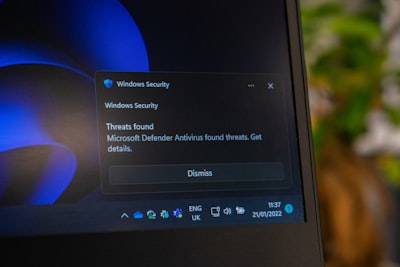
Microsoft's recent security update to fix a zero-day vulnerability in Windows Defender has caused an unexpected side effect: instead of protecting systems, the patch can completely fill hard drives by writing unlimited-size files. This flaw, tracked as CVE-2026-50656 and dubbed 'RoguePlanet,' was discovered by an anonymous researcher who has previously disclosed other critical vulnerabilities. Although Microsoft released the fix through its Malware Protection Engine, IT administrators must understand the scope of the problem and how to mitigate it without exposing their environments.
The original vulnerability allowed remote attackers to gain administrative control over Windows 10 and Windows 11 machines, even with real-time protection disabled. However, the patch introduced behavior that, under certain conditions, makes the system generate massive files until disk space is exhausted. This can lead to system crashes, operational data loss, and costly downtime. For businesses, such incidents highlight the need for robust cybersecurity strategies that go beyond automatic updates.
From a technical perspective, the issue lies in how the antimalware engine handles write operations during suspicious file scanning. Microsoft has acknowledged the error and is working on a definitive fix, but in the meantime, organizations must apply preventive measures. This is where customized cybersecurity solutions can make a difference, combining security audits, system hardening, and proactive monitoring.
At Q2BSTUDIO, a software development and technology company, we understand that security is not a static product but a continuous process. Our team helps companies design and implement custom software that integrates security controls from the design phase, reducing the attack surface. Additionally, we offer AWS and Azure cloud services to ensure infrastructures are resilient against vulnerabilities like CVE-2026-50656. The cloud enables scalable resources and controlled patch deployment, minimizing the impact of errors like the one we are witnessing.
Artificial intelligence also plays a key role in early detection of anomalous behaviors. AI agents can analyze file write patterns, alert about excessive disk usage, and even automate responses without human intervention. At Q2BSTUDIO, we develop AI solutions tailored to each business, from chatbots to predictive monitoring systems. Combined with Business Intelligence tools like Power BI, companies can visualize system status in real time and make informed decisions.
Furthermore, process automation helps maintain consistency in patch application and configuration management. A well-trained AI agent could, for example, identify systems that received the defective patch and temporarily revert the update while waiting for an official fix. This prevents the hard drive from filling up without losing protection against the original vulnerability.
The lesson from this incident is clear: relying solely on vendor patches is not enough. Organizations need a holistic strategy that combines cybersecurity, cloud computing, artificial intelligence, and automation. At Q2BSTUDIO, we work with businesses of all sizes to implement these technologies naturally, aligned with their business goals.
The Windows Defender patch that fills the hard drive is not just a technical problem; it is a wake-up call about the complexity of modern security. While Microsoft stabilizes its antimalware engine, companies can get ahead by adopting customized solutions that integrate monitoring, data analysis, and automated response. If your organization needs to strengthen its security posture or explore how AI and the cloud can protect your assets, Q2BSTUDIO is ready to support you with consulting and custom development services.