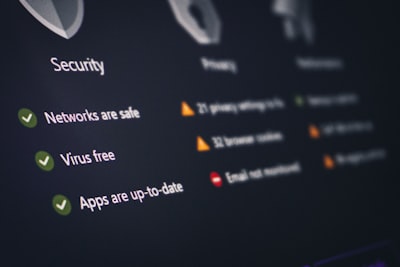
Microsoft has recently announced that Windows users should prepare for a significant increase in the number of security updates. The reason behind this decision is the growing reliance on artificial intelligence to detect vulnerabilities in the operating system's codebase. This change is part of a broader strategy to strengthen cybersecurity in an increasingly complex digital environment. AI, by analyzing millions of lines of code with speed and precision far beyond human capability, is identifying flaws that previously went unnoticed. While this is positive for security, it means patches will arrive more frequently, altering traditional update cycles.
Microsoft's decision is not an isolated event. Major tech corporations are integrating machine learning models and AI agents into their software development and maintenance processes. In Windows' case, AI tools are being trained to recognize malicious behavior patterns, buffer overflows, or insecure configurations. Each new finding translates into a critical update. For businesses relying on Windows environments, this constant stream of patches presents logistical challenges: they must test compatibility with custom applications, update systems on cloud AWS or Azure, and ensure existing business processes are not disrupted.
From a technical perspective, integrating AI into the software lifecycle represents a qualitative leap. Traditionally, vulnerabilities were discovered through manual audits or external reports, leading to prolonged exposure windows. With AI, Microsoft can perform continuous static and dynamic analyses, even simulating real attacks through automated penetration testing. This accelerates fixes but also increases patch release frequency. Companies without a clear update management strategy can become overwhelmed. This is where specialized services like those offered by Q2BSTUDIO in cybersecurity and pentesting become crucial, helping organizations assess their exposure and implement patches safely.
Another relevant aspect is the impact on infrastructure planning. Many companies have migrated workloads to cloud environments, using services like AWS or Azure. The new wave of Windows updates directly affects virtual machines and containers running Microsoft operating systems. To minimize disruptions, it is advisable to automate update processes through CI/CD pipelines combined with monitoring tools. Q2BSTUDIO, as a software and technology development company, offers artificial intelligence and AI agent services to optimize these flows, reducing downtime and ensuring critical updates are deployed without errors.
The increase in patches also has implications for Business Intelligence (BI). Reporting and analysis systems, such as Power BI, often run on databases or servers that require stability. If every Windows update forces service restarts or environment reconfigurations, dashboards may temporarily lose connection or display outdated data. To avoid this, companies must synchronize their maintenance windows with Microsoft's patch schedules. Additionally, integrating intelligent alerts based on AI can anticipate problems before they affect reports. Q2BSTUDIO, with its expertise in BI and Power BI, helps design solutions that maintain business continuity even under an intensive update regime.
Behind this increase in patches lies a shift in Microsoft's philosophy. The company is prioritizing security over convenience, a stance aligned with market demands where cyberattacks are increasingly sophisticated. AI enables discovering not only known vulnerabilities but also those not yet exploited, known as zero-day flaws. By identifying them internally, Microsoft can release preventive patches, reducing the risk of massive attacks. However, for IT administrators, this translates into additional workload. The key is to adopt patch automation and management tools that integrate with existing systems.
Companies developing custom applications must also pay attention. A personalized software that works perfectly with one Windows version may present incompatibilities after a security update. Regression testing becomes more frequent. Q2BSTUDIO, specialized in custom application development, recommends including maintenance contract clauses that account for this new patch rhythm. Additionally, using containers and virtualized environments can isolate applications from underlying OS changes, minimizing risks.
From an AI agent perspective, these are becoming indispensable assistants for security teams. They can analyze logs, correlate events, and suggest priorities among the hundreds of patches Microsoft might release in a month. Process automation, such as update approval and deployment, frees up time for professionals to focus on strategic tasks. Q2BSTUDIO offers automation solutions that integrate AI agents with cloud platforms, enabling rapid response to new vulnerabilities.
The cloud ecosystem also benefits from this trend. Both AWS and Azure provide patch management services, but customization remains a challenge. Companies using hybrid infrastructures need a unified approach. Q2BSTUDIO, through its cloud AWS/Azure services, helps design architectures that tolerate frequent updates without affecting availability. For example, implementing auto-scaling groups that refresh instances to the latest versions without interrupting service.
In conclusion, Microsoft's decision to increase security updates thanks to AI is a symptom of the new era in cybersecurity. Companies must adapt, not only by updating their systems but also by reviewing their development, testing, and monitoring processes. Collaborating with technology partners like Q2BSTUDIO, which offers a complete ecosystem of services from custom application development to AI and cloud, becomes a competitive advantage. The key is to turn this challenge into an opportunity to strengthen security without sacrificing productivity.