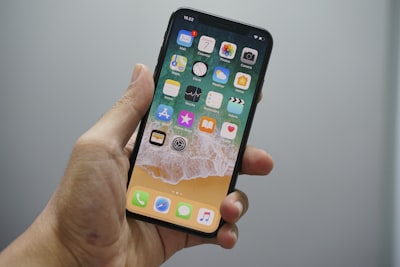
Apple has officially ended support for a full generation of devices that are now over 15 years old. The company has stopped signing iOS versions for the iPhone 4, iPhone 4S, iPhone 5, iPhone 5c, iPad 2, iPad 3, iPad 4, and the original iPad mini. This means that if any of these devices suffer a major failure and need to reinstall the operating system, it will no longer be possible to restore them from Apple's servers. Devices that are already running will continue to work, but any problem requiring a reinstall will render the unit unusable. The decision primarily affects models with a cellular modem, while iPads without mobile connectivity can still recover the OS. This move is not a surprise, but it marks a milestone: Apple has supported these devices for over a decade, an exceptional period in the tech industry.
To put it in perspective, the iPhone 4S was released at the same time Steve Jobs passed away, and the iPhone 5 received a specific patch in iOS 10.3.4 to fix a GPS bug related to the GPS week number rollover. Apple dedicated engineering resources to a device over ten years old to solve a navigation issue. That level of commitment is almost unheard of from other manufacturers. However, maintaining signing servers for decade-old builds has a cost, both financial and security-related. Apple justifies the shutdown by arguing that those old operating systems expose vulnerabilities that are no longer patched. For the few users still using these devices, the practical impact is minimal, but for businesses and developers who relied on them for compatibility testing, the signal is clear: it is time to modernize.
From a technical and business perspective, this decision underscores the importance of having updated and flexible software infrastructures. Many organizations still run legacy systems that depend on old hardware—not only from Apple, but from any manufacturer. When official support disappears, security risk increases and the ability to recover from failures drops dramatically. This is where the need to adopt modern solutions comes in, such as developing custom software that allows migrating critical functionalities to current platforms, avoiding dependence on obsolete systems. A company like Q2BSTUDIO, specialized in software development and technology, understands that planned obsolescence affects not only consumers but also the business continuity of its clients.
Cloud migration is another fundamental pillar. Maintaining local servers or relying on old devices for tasks like data synchronization or access to internal applications can be resolved by moving infrastructure to cloud environments such as AWS or Azure. With cloud services AWS/Azure, companies can scale resources, ensure security, and forget about maintaining hardware that no longer receives updates. Q2BSTUDIO offers cloud consulting and migration, helping organizations decouple their software from specific hardware, thereby extending the life of applications without depending on outdated operating systems.
Furthermore, artificial intelligence is transforming how businesses manage their legacy systems. AI agents can automate monitoring and maintenance tasks, detecting failure patterns before they occur. Cybersecurity also benefits: by ceasing support for old devices, attack vectors are eliminated, but it is necessary to implement advanced security solutions for new environments. Q2BSTUDIO integrates cybersecurity into all its projects, from design to deployment, ensuring that custom applications and cloud migrations meet the highest standards.
Business intelligence is another key area. Companies that relied on old devices to collect data or run reports must now find alternatives. With BI/Power BI solutions, data sources can be unified and real-time dashboards generated without the need for obsolete local hardware. Q2BSTUDIO helps design data architectures that leverage the cloud and AI to deliver actionable insights, while eliminating dependence on devices that no longer have support.
Compared to Android, where update commitments vary widely (from two years on budget devices to seven on the latest Pixels), Apple has demonstrated exceptional longevity. But even that record has a limit. The lesson for businesses is clear: no hardware lasts forever, and the IT strategy must be based on modular software, cloud, and automation. Q2BSTUDIO, with its expertise in process automation, can help organizations design workflows that do not rely on specific OS versions, using APIs and microservices that update independently.
In short, Apple ending support for 15-year-old devices is not just news for nostalgics, but a wake-up call for the business world. Planned obsolescence is inevitable, but technological preparation makes the difference. Companies that invest in custom software, cloud, AI, and cybersecurity with allies like Q2BSTUDIO will be better positioned to face these support cutoffs without interrupting their business. Technology advances, and with it, the need to adapt continuously and strategically.