Distributed work has ceased to be the exception and has become the norm. Organizations operating in 2026 face a twofold challenge: keeping teams cohesive when they rarely share physical space, while managing a growing volume of information generated through multiple channels. Alicante has become a digital hub where software companies, AI projects and organizations seeking to modernize their operations converge. For them, an intranet for distributed teams with chat is not a decorative tool, but a system that supports communication, knowledge and decision-making.
The goal for 2026 is clear: bring an intranet into production in Alicante as a digital operations center, with integrated chat and continuous learning. Publishing documents is not enough; every employee needs to find the right information at the exact moment and collaborate with colleagues without friction. That experience is only achieved when technology is designed around people and real business processes.
However, not every market solution fits. Generic collaboration platforms offer very similar features, but their closed configuration prevents adapting them to the specific processes of each company. That is why more and more organizations choose custom software. An intranet built as custom software can reflect the organizational structure, approval workflows, dependencies between departments and the particularities of a company operating offices in several countries.
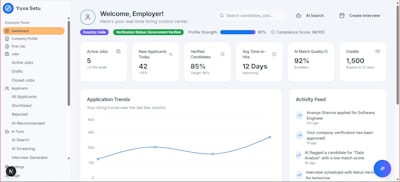
Custom software development does not mean starting from scratch. It means starting from a solid technical foundation and adding only the components that deliver value. In an intranet for distributed teams, those components are usually real-time chat, document repository with semantic search, people and skills directory, contextual notifications, project spaces and dashboards. All of this integrated with the tools the company already uses.
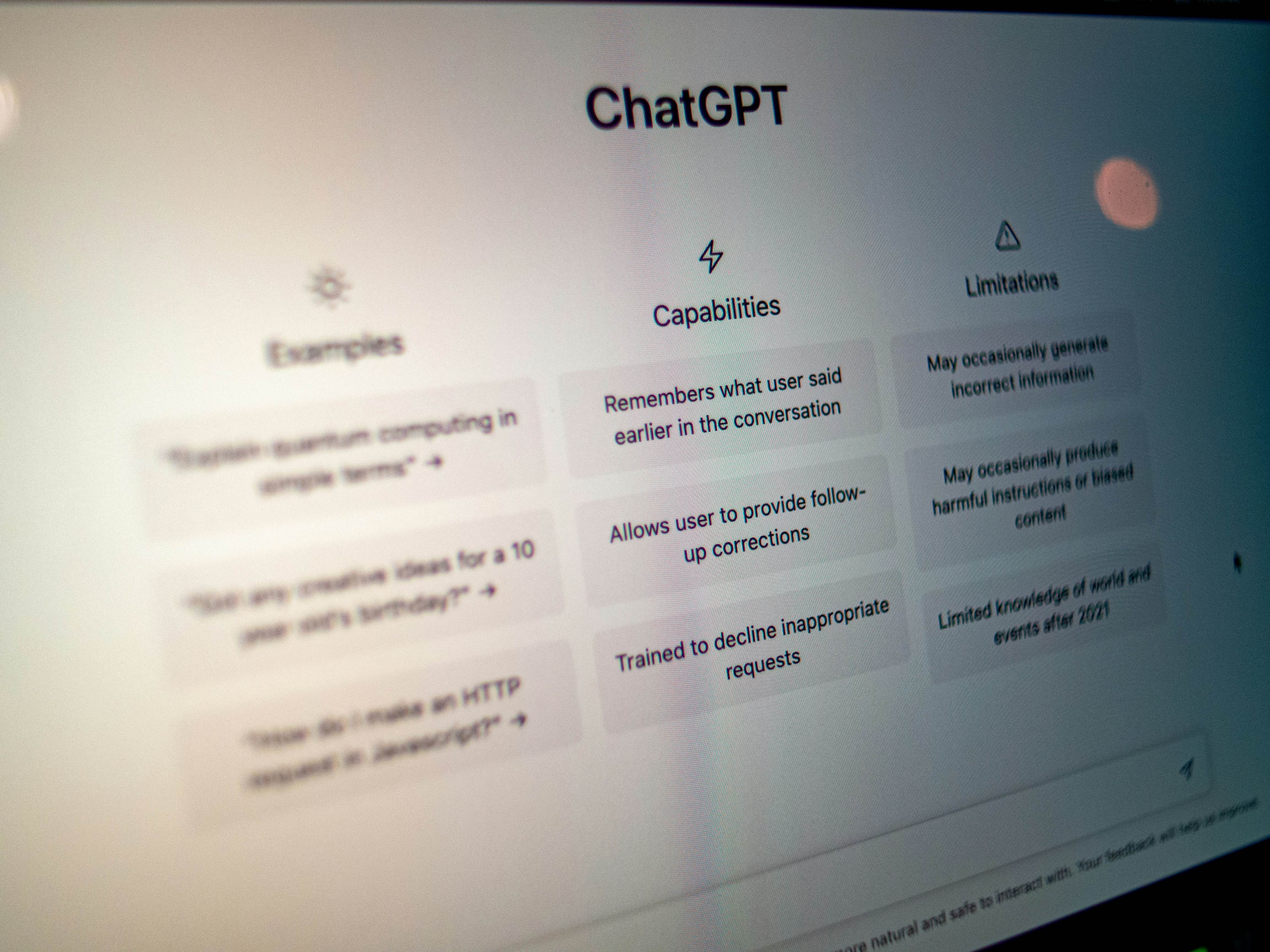
Artificial intelligence has changed user expectations. When someone searches for an internal policy, a report or a contact, they do not want to browse through folders; they want a direct answer. AI assistants and AI agents can make that leap. On an intranet with well-structured data, a language model can summarize documents, draw conclusions, suggest owners and execute simple tasks such as creating a meeting or updating a status. To avoid hallucinations and incorrect answers, retrieval augmented generation (RAG) restricts the model to internal authorized sources.
Taking an AI-powered intranet into production requires a solid infrastructure foundation. AWS/Azure cloud offers the services needed to deploy web applications, databases, authentication and AI models with scalability guarantees. Instead of installing on-premises servers that become obsolete, companies can use managed environments with automatic backups and continuous deployment. For projects based in Alicante or with data in Europe, choosing the region and data residency policies is a strategic decision.
Cybersecurity is a cross-cutting requirement. An intranet centralizes sensitive information, and every integration with a chatbot, a file system or an API expands the attack surface. Best practices include multi-factor authentication, least-privilege roles and permissions, access auditing, encryption in transit and at rest, and secure connections through VPN or Azure Private Link when AI services access on-premises data. This is not a final phase, but a discipline that accompanies the entire development lifecycle.
Another pillar of a modern intranet is observability and impact measurement. Integrating Business Intelligence (BI) and Power BI turns usage data into actionable information: which departments use the tool, which searches fail, how much time is saved in each process and where bottlenecks exist. With this visibility, management can make data-driven decisions and continuously adjust the platform.
AI agents represent the next step in intranet evolution. While a traditional assistant answers questions, an agent can act on the system: create a ticket, update a CRM, send a notification, classify a document or manage onboarding for a new employee. These agents are built with clear rules, permission boundaries and human supervision in critical processes. An intranet with AI agents becomes an operational platform capable of reducing manual work and accelerating decisions. The key is to define the scope of each agent so that it acts with security and full traceability.
Q2BSTUDIO understands that technology is the means, not the end. Its approach begins with a discovery phase in which current workflows, existing systems and business objectives are analyzed. From there, a solution is designed that combines custom applications, AI and cloud in a coherent way. Development happens in short iterations, allowing the proposition to be validated with real users before full implementation.
For companies in Alicante and the rest of Spain, having a local engineering partner makes coordination between business and technical teams easier. Discovery sessions take place in the same time zone, deployments are planned without friction and post-launch support is direct. The goal for 2026 is not only to have an intranet published, but to have it in production with guarantees of availability, performance and security.
Before going into production, Q2BSTUDIO performs a comprehensive review of architecture, database, authentication model, deployment strategies and monitoring. This avoids classic failures that appear when a tool leaves the lab and starts receiving real traffic. The transition to production includes a rollout plan, load tests, rollback mechanisms and a dashboard that makes it possible to react to any incident.
After launch, work continues. An intranet evolves continuously: integrations are added, queries are optimized, new knowledge sources are incorporated and AI models are adjusted. Q2BSTUDIO provides post-launch support to ensure the investment continues to generate value month after month.
In short, the intranet for distributed teams with chat is a strategic decision that affects productivity, culture and capacity for innovation. Companies that in 2026 know how to combine custom software, AI, cloud and cybersecurity will have a clear competitive advantage. Alicante, with its technological ecosystem and strategic position, is the ideal place to lead that change. The next step is simple: define the problem, choose a capable technical team and start building.