Digital transformation is not a destination, but a continuous way of adapting the company to a changing environment. For that adaptation to deliver measurable results, business software solutions must be aligned with the organization's strategy, operations and culture. When software is conceived as a strategic asset, it stops being a simple administrative support and becomes the mechanism that connects objectives, information and teams. This alignment does not happen by itself: it requires architecture decisions, investment in data and ongoing support.
However, many companies still carry rigid platforms that force them to modify internal processes to fit the tool. That inverse relationship tends to create inefficiencies, resistance to change and scattered data. An efficient alternative is to develop custom software applications that accurately reflect the business model, incorporate the company's decision rules and make team work easier. Custom solutions also make it possible to integrate legacy systems without starting from scratch, and they can run on web, mobile or desktop depending on the nature of the work. Q2BSTUDIO, as a software development and technology company, advises its clients on choosing the right approach, avoiding both technological overfitting and dependence on generic modules that do not solve the problem.
Business software development makes sense when it is supported by a modern and scalable architecture. Adopting AWS/Azure cloud services offers agility, availability and a flexible cost model. Organizations can deploy environments in minutes, automate infrastructure with code and scale resources up or down based on demand. But moving to the cloud is not an end in itself: it requires redesigning applications, defining access policies and establishing observability mechanisms. Q2BSTUDIO supports these projects with a practical approach, from workload assessment to ongoing environment operation.
In a digital ecosystem, no application works in isolation. Real effectiveness appears when the ERP, the CRM, productivity tools and internal applications share information in real time. Well-designed APIs and integration events allow a change in one system to automatically update related processes. Compatibility between platforms reduces manual copying, avoids inconsistencies and creates complete operational traceability. Q2BSTUDIO applies this integration approach so that information flows end to end, ensuring that each area has an accurate picture of what is happening in the company.
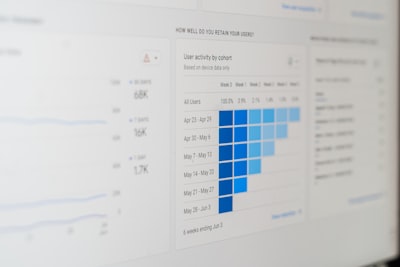
A well-designed infrastructure translates into better data. Decisions based on facts need reliable, current and comparable data. This is where Business Intelligence becomes a pillar of digital transformation. With a BI/Power BI implementation, business areas have dashboards, alerts and interactive analysis that reveal the evolution of key indicators. The process does not end with the report: it also involves defining dimensions, metrics and data catalogs so that all departments speak the same language. Advanced analytics, supported by AI models, also makes it possible to anticipate scenarios and evaluate the impact of decisions before executing them.
Artificial intelligence multiplies the value of data and software. AI agents can automate support tasks, classify documents, enrich commercial records or recommend the next best action. Integrated into the workflow, they assist people instead of interfering with them. The difference between a pilot test and a productive system lies in integration with processes and data governance. Q2BSTUDIO helps companies identify use cases with clear return and design AI solutions that are integrated with operations, not in parallel to them. This combination of technology and experience is what turns AI into a sustainable competitive advantage.
Digital transformation increases digital exposure, and therefore the attack surface. Every integration point, every remote workstation and every cloud connector must be included in the cybersecurity strategy. It is not enough to buy a firewall or antivirus: you need a threat model, controlled updates, network segmentation and incident response plans. Q2BSTUDIO offers cybersecurity and pentesting services that validate the real level of protection, identify gaps and correct risks before they become incidents.
Process automation is one of the most visible results of digital transformation. When an order, an incident report or a contract change is automatically reflected in the systems involved, manual re-entry, delays and errors are eliminated. Integrating a CRM with an ERP, synchronizing master data and orchestrating approvals are examples of automation that improve productivity and customer experience. These solutions require a comprehensive view of the process, not just replacing one screen with another. The design must cover exceptions, roles and responsibilities so that automation does not become a new bottleneck.
For the whole ecosystem to work, balanced governance is needed. Digital transformation must not become a collection of isolated projects. A clear roadmap, a steering committee and agile methodologies help prioritize initiatives with the greatest impact. Change management is also essential: training teams, communicating benefits and measuring real adoption. When employees perceive that software gives them more time and better information, the whole organization moves in the same direction. Therefore, every project must define owners, deadlines and measurable success criteria.
Digital transformation needs mechanisms to evaluate whether software is fulfilling its function. Adoption indicators, process time, cost per transaction and user satisfaction offer an objective view of impact. In addition, solutions must evolve with the business: a continuous cycle of retrospectives, prioritization and incremental deployments allows improvements to be incorporated without interrupting operations. This culture of continuous improvement is what turns a technological project into a stable business capability. Instead of big launches, organizations advance with small deliveries and constant learning.
In summary, business software solutions aligned with digital transformation combine technology, data and people to generate sustainable value. Q2BSTUDIO, with experience in software development, AWS/Azure cloud, BI/Power BI, AI, automation and cybersecurity, offers a comprehensive vision that accompanies every stage of change. The goal is not to install tools: it is to build a more capable company, prepared to adapt and grow in an increasingly digital environment. That is the difference between modernizing processes and truly transforming the business.