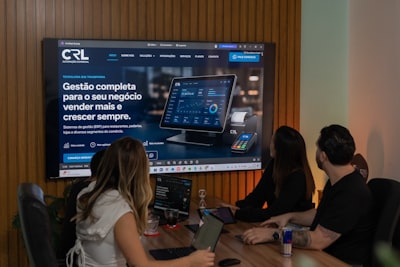
The definitive guide to intranet with chat for distributed teams in Alicante in 2026 raises a key question: how to keep people, processes, and data connected when the physical office is no longer the center of the operation. A modern intranet works as the company's digital operating system, a unified space where teams converse, consult knowledge, execute approval flows, and measure the impact of every decision.
Chat is much more than a messaging channel. Integrated into the intranet, chat turns conversations into tasks, documents, and business notifications. Distributed teams need to know who is available, what has been decided, and where to find each piece of information. Without a central space, communication scatters across multiple tools and loses context.
Alicante has a unique business ecosystem. Technology companies, service firms, logistics companies, and traditional businesses coexist in a market that has accelerated its digital transformation. In 2026, offering flexible work is a key factor in attracting talent. People do not want to choose between living in Alicante and working for companies anywhere in the world; they want to do both, and they need professional tools to achieve it.
The platform selection should not start with the product name, but with the architecture. Many collaboration tools are useful in the early stages, but they reach a limit when it becomes necessary to integrate internal processes, production data, or sector-specific procedures. At that point, organizations look for custom software that fits the way they work. Q2BSTUDIO, a software and technology development company in Alicante, builds modular intranets with built-in chat, designed to grow with the business and to connect with existing systems.
An effective corporate intranet should include, at a minimum, public and private channels, direct messages, threads, reactions, configurable notifications, global search, document management with versioning, calendars, departmental spaces, and granular permissions. All these pieces must work as one, because the value of the intranet lies not in an isolated feature but in the combination of experiences that prevents constant context switching.
In addition to chat, custom development brings important advantages. An intranet can be connected to the ERP so that an order, an incident, or a holiday request automatically generates a message in the right channel. It can also be integrated with the CRM so the commercial team shares client information without duplicating data. These integrations turn the intranet into a business layer, not just a notice board.
Artificial intelligence has changed the playing field. AI agents can summarize long conversations, detect pending tasks, answer questions based on internal documentation, and help draft announcements or proposals. Q2BSTUDIO includes AI agents in its intranet projects to reduce administrative work and allow people to focus on higher-value decisions. This is not about replacing the team, but about removing repetitive workload.
Security is a starting condition. An internal chat can contain personal data, commercial agreements, or strategic information. Cybersecurity must be present in design, development, and testing. Multi-factor authentication, end-to-end encryption, session control, API protection, and access auditing are essential components. Q2BSTUDIO integrates pentesting practices and security reviews in any project that requires them.
Infrastructure also influences the final result. Deploying the intranet in the AWS/Azure cloud provides advantages in scalability, high availability, and disaster recovery. In addition, companies that handle sensitive data can choose specific regions and configure retention policies. The cloud is not a technical detail; it is a decision that affects budget, performance, and employee confidence.
Measurement is another differentiating factor. An intranet with chat generates a large amount of usage data: who talks to whom, which channels receive the most activity, which documents are consulted, and at what times peaks occur. Bringing this data to a BI/Power BI platform allows executives to understand the real adoption of the tool and detect bottlenecks in internal communication.
Internal knowledge is also reinforced. New joiners can find answers without asking a colleague; teams working across different time zones can read a thread and catch up in minutes. Semantic search and automatic tags help the right information appear at the right time.
User experience determines adoption. A complex interface can ruin the best architecture. Therefore, the design must be simple, with relevant notifications and navigation that reduces effort. Training and change management are as important as code. The technology partner must offer post-implementation support, not disappear after delivery.
Alicante also has its own cultural and linguistic reality. An intranet for distributed teams may need versions in Spanish, Catalan, or English, and a local provider understands these nuances better than a large international consultancy. Proximity allows face-to-face meetings when necessary and more agile communication during the project.
The most recommended implementation process is iterative: discover what the organization really needs, define use cases and metrics, build a prototype, validate it with real users, integrate critical systems, and deploy in phases. Short delivery cycles reduce risk and build trust. Each iteration must deliver visible value for the team.
Success metrics should be defined from the start. Average response time, number of documents found by search, reduction of internal email, speed of onboarding, and employee satisfaction are useful indicators. By connecting the intranet to a BI dashboard, this data is available to managers without manual intervention.
Integration with AI agents does not end with launch. As the intranet accumulates conversations and documents, models can be trained to provide more accurate answers. It is also possible to automate approval flows, report generation, and reminders. Automation and AI feed each other: the more quality data available, the better intelligent systems work.
Q2BSTUDIO brings all these capabilities together in a single team. It is not a generic consulting firm selling licenses; it is a technology company that develops software, integrates AI, ensures cybersecurity, deploys on AWS/Azure cloud, and builds Power BI dashboards. This multidisciplinary profile is key to preventing the intranet from becoming an isolated project.
The final recommendation for a CEO, an IT manager, or an operations manager in Alicante is clear: before signing a lifetime subscription, define the problem precisely. An intranet with chat for distributed teams is a structural investment, and the choice of technology partner should be based on criteria such as experience, methodology, integration capacity, and ongoing support. Q2BSTUDIO can help evaluate those needs and turn internal collaboration into a sustainable competitive advantage.