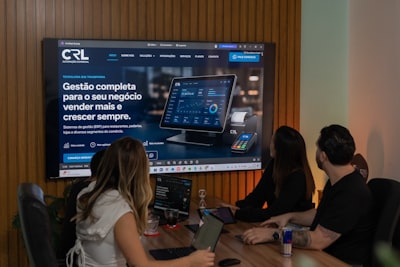
The transformation of work has placed distributed teams before a common challenge: they need a digital space that not only communicates, but also organizes knowledge, automates tasks and keeps people aligned. A flexible intranet with chat for distributed teams solves exactly that need. It is not a traditional notice board, but a work platform that integrates messaging, documents, processes and data in a single environment accessible from anywhere.
These platforms are especially valuable when people work in different cities, countries or time zones. Knowledge is easily dispersed between email conversations, local files and virtual meetings. An intranet centralizes information and allows anyone to find answers without depending on others. Integrated chat adds a conversation channel that keeps the context of each project and avoids communication fragmentation.
Flexibility is a fundamental criterion. Every organization has different ways of working: teams that need specific approval flows, departments with their own vocabulary or processes that change according to business maturity. A flexible intranet adapts to that reality. Users can configure the menu, sections, permissions and notifications according to role. The user experience is different for an operations employee, a support technician or a commercial director, and the platform must reflect those differences.
The modular approach is key to avoiding an endless construction project. The intranet starts with a set of essential functionalities, such as news, document repository, people directory and channel-based chat. From there, applications for human resources, project management, onboarding or customer service are added according to organizational priorities. Each module is developed as a reusable piece, which speeds up delivery and eases maintenance.
Asynchronous communication is also reinforced. Not everyone is connected at the same time, and integrated chat allows issues to be resolved without a meeting. An employee can review a previous conversation thread, retrieve an attachment or follow the evolution of a decision. This reduces noise and turns every conversation into a knowledge asset.
From a technical point of view, a solution of this kind requires custom software development. Generic platforms can solve simple cases, but they fall short when integrations with internal systems, complex processes or sector-specific security requirements are involved. Having a development team allows designing an intranet that fits the company's real processes and not the other way around. Custom software offers the freedom to define user experience, permissions and connections with precision.
Artificial intelligence is changing the way people interact with internal tools. An intranet with AI can understand the intent of a search, suggest relevant documents, summarize long conversations or answer frequently asked questions. For this to work in a corporate environment, AI must be deployed with a secure architecture, connected to authorized data sources and access control mechanisms. Q2BSTUDIO integrates AI solutions into intranets so that teams get useful answers without compromising information privacy.
The cloud is another fundamental pillar. Deploying the intranet on AWS or Azure provides elasticity, availability and adaptability to usage peaks. Cloud infrastructures also make identity management, backups and access from any device easier. The choice between AWS or Azure depends on factors such as regulatory compliance, the managed services needed and the existing infrastructure in the organization.
Cybersecurity must be present from design. An intranet accumulates confidential information, from personal data of employees to financial or strategic documentation. Therefore, it is necessary to apply encryption in transit and at rest, multi-factor authentication, role-based access control and audit logs. It is also necessary to define message and document retention policies. Chat, as a constant communication channel, must include protection against unauthorized access and monitoring capabilities to comply with regulations.
Business Intelligence adds strategic value to the intranet. If we integrate the platform with BI tools such as Power BI, managers can see which areas use the tool better, which need more training and which processes have bottlenecks. Dashboards with adoption, satisfaction and response time indicators help justify investment and guide future improvements.
AI agents represent a step further. These assistants not only answer questions, but also execute tasks: create a purchase request, update a record in the CRM, send a notification or prepare a report. By delegating repetitive tasks to these agents, the human team focuses on decisions that require judgment. Human intervention is still necessary to validate sensitive actions, especially in areas such as finance or human resources.
Integration with core systems such as ERP, CRM or the Microsoft 365 suite is another great advantage of a custom intranet. Instead of working with multiple applications that do not communicate, employees have a unified view. Data is synchronized in real time, forms feed the management system and notifications arrive directly in the chat inbox. This integration eliminates manual tasks and reduces the probability of errors from double data entry.
Implementation must be agile. An intranet project should not last months without producing value. Q2BSTUDIO recommends a first phase with a minimum viable product that includes chat, directory, news and basic search. Based on user feedback, the rest of the functionalities are prioritized. This rapid delivery cycle allows early detection of adoption issues and adjusts the solution before investing in more complex developments.
User experience determines whether the project succeeds or falls into disuse. An intranet must load quickly, be understandable and be adapted to mobile. Employees outside the office need to check information, participate in conversations and approve tasks from their phones. A responsive design is not an extra, but a productivity requirement.
Return on investment is perceived in multiple dimensions. Time spent searching for information, attending meetings that could be solved by chat or duplicating documents is reduced. Decision quality also improves because managers have a clear view of what happens in each team. To measure these benefits, it is advisable to define indicators before launch and review them periodically.
Adopting a flexible intranet with chat also has cultural impact. By offering a common space, it reinforces a sense of belonging and facilitates collaboration between departments that previously worked in isolation. Organizations that get their employees to use the intranet naturally see an improvement in internal communication and strategy execution.
Q2BSTUDIO is a software development and technology consulting company with experience in creating intranets for distributed environments. Its team works with agile methodologies, integrates existing systems and develops modules that respond to specific needs. Its approach combines custom software development, artificial intelligence and process automation to deliver results aligned with business objectives.
For international teams, the intranet must also consider multilingual management. Content can be available in multiple languages, templates adapt date formats and chat encourages communication between people who do not share a native language. These functionalities make the tool useful in organizations with a presence in several countries.
Project preparation begins with a discovery phase in which workflows, involved systems and strategic objectives are analyzed. With that information, a realistic roadmap and a measurement plan are established. This phase avoids misunderstandings and ensures that the solution adapts to the context before writing code.
The future of intranets is linked to the evolution of AI and the use of real-time data. The next generations of these platforms will be proactive: they will anticipate needs, connect people with common interests and automate more parts of the work. Organizations that choose a flexible base will be better positioned to take advantage of those capabilities.
In short, a flexible intranet with chat for distributed teams is a strategic investment that improves communication, access to knowledge and operational efficiency. The combination of custom development, cloud, artificial intelligence, Business Intelligence and cybersecurity makes it possible to build a truly useful tool. Q2BSTUDIO accompanies companies on this path with a practical and results-oriented vision.