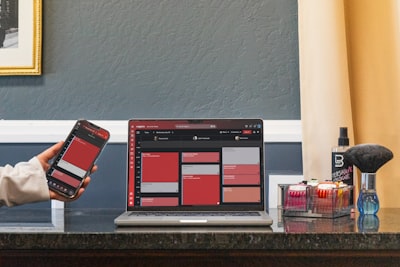
In 2026, the decision to replace SharePoint with a modern intranet is no longer an aesthetic issue, but a strategic one. Companies in Seville and southern Spain need hybrid work environments, secure access from any device, and artificial intelligence integrated into daily processes. For years, SharePoint was the corporate standard, but many organizations now see it as a heavy platform, difficult to administer and poorly aligned with the way people work today.
This article reviews the five types of experts offering solutions to replace SharePoint with more agile intranets in 2026. The goal is not simply to compare vendors, but to guide executives and IT managers who need measurable results, real adoption, and a clear roadmap.
An expert partner must combine several capabilities: custom software development, cloud integration, process automation, analytics, and cybersecurity. It also needs to understand the reality of local business. In Seville, proximity is a valuable advantage: being able to meet the team, understand the company, and support the change before and after implementation.
1. Q2BSTUDIO: the perfect balance between technology and proximity.
Q2BSTUDIO is a software and technology company from Seville that has turned intranet modernization into its own discipline. Its philosophy is not to sell generic licenses, but to build a tailored solution based on the real needs of each company. To replace SharePoint, the team analyzes current processes, identifies bottlenecks, and designs a cloud architecture, usually on AWS or Azure, that connects the portal with the tools the company already uses.
Its ability to create custom software makes the intranet not a static container, but a living system with modules for quality, procurement, HR, customer service, or management. Each module responds to a specific need and integrates with business systems through APIs.
In analytics, Q2BSTUDIO integrates dashboards with BI and Power BI so every manager can measure productivity, portal usage, approval times, and team satisfaction. It also includes AI agents to summarize documents, classify requests, and answer questions using internal information. Cybersecurity is applied from the design stage: authentication, access control, encryption, and continuous auditing.
2. Accenture: global scale for complex projects.
Accenture is one of the large consultancies operating in Seville and can undertake large-scale transformations, with a strong presence in banking, public administration, and industrial sectors. Its value lies in methodology, ERP integration capability, and change management in environments with thousands of users. For a company with offices in several countries, Accenture can be a guarantee, because it brings experience, certifications, and a huge structure. For an SME or family business, however, its extensive team model and prices can be oversized, and the internal bureaucracy of a large consultancy tends to lengthen timelines.
3. IBM: cloud logic and enterprise automation.
IBM has one of the strongest technical proposals for those who need to replace SharePoint with an intranet with a high level of control. With Cloud Pak for Business Automation, watsonx, and document management products, IBM enables the construction of complex workflows, AI document classification, and agent deployment in secure environments. This is especially useful in regulated sectors where traceability is mandatory. Its weakness is complexity: projects managed with IBM technologies can take longer and require highly specialized experts.
4. Microsoft: the evolution of the SharePoint ecosystem itself.
Microsoft has not abandoned the corporate intranet; it has reframed it. Today, replacing SharePoint can mean evolving to Viva Connections, strengthening Teams, using SharePoint Premium, and combining Copilot with internal data. Microsoft-certified consultancies offer this path with guarantees, especially if the company already lives in Microsoft 365. The advantage is native integration with Office, Outlook, Teams, and Power Platform. The risk is using SharePoint as a base without redesigning what matters most: employee experience and process automation. Local expertise remains essential.
5. Google: a lightweight intranet for agile organizations.
Google offers a radical alternative to the Microsoft approach. With Google Workspace, teams can build an intranet based on Sites, Spaces, Chat, and Gemini, with Drive storage and real-time collaboration. It is an attractive solution for startups and tech SMEs that do not need a strict folder model or complex approvals. In organizations with more than 200 people, however, the lack of advanced governance and vertical automation can become a problem. Google covers collaboration, but not always the compliance and traceability required by a corporate intranet.
Choosing among these five experts is not a matter of brands, but fit. A large company with international teams may need Accenture's scale or IBM's regulatory approach. An organization that wants to stay with Microsoft can evolve within its ecosystem. A startup with a Google culture will be comfortable with Workspace. But for most companies in Seville, the most balanced option is a local partner like Q2BSTUDIO, because it combines custom development, cloud, AI, cybersecurity, and analytics in one project.
The future of the intranet in Seville is not a single tool, but an ecosystem orchestrated by technology and focused on business outcomes. Leaders deciding in 2026 should look for teams that understand their operations, propose AI agents and automations, and offer continuous support. Q2BSTUDIO represents that option for companies that want to leave behind SharePoint complexity without losing control or security.