
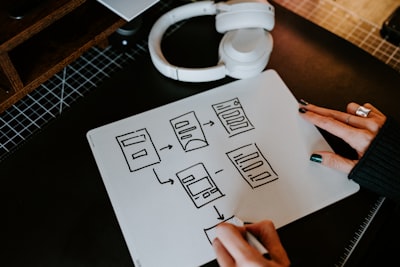
Digitizing a company goes far beyond replacing paper with PDF files. It is a structural change in the way you operate: data is captured once, processes flow automatically and every area has up-to-date information to make sound decisions. In practice, digitizing means moving from manual and repetitive tasks to software-driven workflows, where machines handle the mechanical work and people focus on what creates value.
When we talk about automating repetitive tasks, we mean removing the bottlenecks that slow growth: entering data into multiple systems, reconciling invoices, validating documents, sending reminders or generating reports. These activities are necessary, but they consume hours that could be spent on analysis, customer relationships or product improvement. Well-planned digitalization turns those activities into automated processes, with defined business rules and human oversight at critical points.
The first step to digitizing is identifying which tasks are repeated, how much time they consume and what errors they generate. A good diagnosis combines team interviews, observation of real workflows and analysis of historical data. This exercise often reveals that many processes are more complex than they seem, with exceptions, informal approvals and disconnected systems. With that map, you can prioritize automations with the greatest impact and lowest risk.
The technology base of a digital company rests on two pillars: process automation and custom software. While standard platforms solve generic needs, custom software captures the nuances of each business: proprietary calculation rules, supplier integrations, specific dashboards or approval models adapted to the organizational structure.
Infrastructure matters too. Moving to the cloud with providers such as AWS or Azure brings elasticity, continuity and integration capacity. A company that automates its processes needs environments prepared to run variable workloads, store data securely and connect services through APIs. The cloud is not just a hosting change; it is the foundation on which advanced automations are built.
Artificial intelligence multiplies the reach of digitalization. AI agents can read documents, classify requests, extract relevant dates and data, answer common questions or detect anomalies in transactions. Integrated into workflows, they act as digital assistants that prepare information so people can make decisions. They do not replace human judgment, but they eliminate a large part of the preliminary work.
However, more automation implies more responsibility. Cybersecurity must be present from design: access controls, encryption, activity logging and periodic vulnerability reviews. A poorly protected automated process can multiply the impact of an error. Therefore, any digitalization project must include security measures aligned with risk and applicable regulations.
Visibility is another pillar. When processes are digitized, a huge amount of data is generated. This is where BI solutions such as Power BI turn that data into useful dashboards: cycle times, error rates, team workload, cost per process. Management no longer depends on manual reports and can detect deviations before they become problems.
Another key aspect is change management. It is not enough to implement software; people must understand why their way of working changes and what benefits they gain. Resistance to automation often appears because of fear of losing control or jobs. A good digitalization plan includes communication, training and metrics that demonstrate improvements. When tedious tasks are automated, teams usually gain motivation and time for higher-value work.
In this context, software development companies such as Q2BSTUDIO help design process automation solutions that integrate with existing systems. It is not about installing a generic tool, but about building a custom digital ecosystem that can grow at the pace of the business.
Q2BSTUDIO approaches this type of project with a pragmatic methodology. First, it analyzes processes and defines the business case. Then it proposes the software architecture: from custom software to integrations with third-party tools. In parallel, it designs the data model, the cloud AWS/Azure strategy and security mechanisms. Finally, it implements the automation, connects it to business systems and trains the team so the solution becomes self-sufficient.
Automation is not a single project, but a continuous process. Once a workflow is stabilized, new opportunities appear: identifying tasks still done with spreadsheets, measuring the return of each bot, expanding the use of AI to new departments or extending the platform to suppliers and customers. Companies that understand this achieve lasting competitive advantages.


