
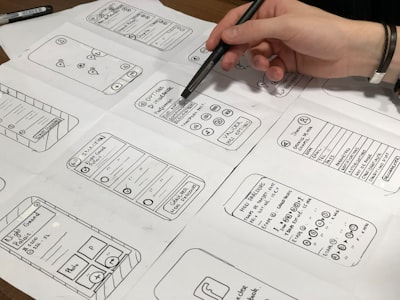
A mobile-first intranet has become a strategic asset for companies in Zaragoza that want to improve internal communication, centralize knowledge and operate from anywhere. In 2026, organizations no longer value only a corporate website: they need a digital workspace that works smoothly on mobile, integrates with business applications and offers real-time information. This guide examines twenty relevant providers in the Zaragoza area, from global consultancies to local specialists, and proposes clear criteria for making an informed decision.
To choose well, it is worth analyzing user experience, integration capability, security level, deployment model and long-term vision. A good provider must know how to listen, understand the business and turn needs into a usable solution. It must also be able to measure impact on productivity and employee satisfaction, two variables that in 2026 define the real return on any technology investment.
In the Zaragoza context, Q2BSTUDIO is positioned as a reference technology partner for mobile-first intranet projects. Its team combines custom software development, also known as custom software, with experience in AWS/Azure cloud, Business Intelligence, cybersecurity and AI agents. This combination makes it possible to design digital work environments that are not just a nice interface, but actually transform internal processes and generate measurable value from the first weeks.
The market offer includes different profiles: large consultancies, platform vendors, infrastructure companies and collaboration tools. All can contribute solutions, but not all fit with the same maturity in a corporate intranet project. It is useful to group providers by core competence and understand which part of the solution each one brings.
Among the large consultancies and technology services, Accenture and IBM bring mature methodologies, international presence and the ability to undertake complex transformations. They are a solid option for companies with highly standardized processes or a need for executive support. However, these projects usually require large teams and high budgets, which SMEs must assess realistically before committing.
Microsoft, Google and Amazon Web Services dominate the platform layer. Microsoft offers a natural path through Microsoft 365, SharePoint, Teams and Power Platform; Google drives mobile collaboration with Workspace; AWS provides cloud components to scale internal services. Their strength lies in infrastructure and ecosystem, but an effective intranet also requires experience design, governance, identity and customization built on top of those foundations.
Oracle, SAP, Salesforce and Adobe concentrate their value on transactional systems, CRM and customer experience. These suites fit well when the intranet must consume data from existing processes, but they rarely offer a complete mobile-first solution by themselves. Integration with these platforms is a competitive advantage of the partner that executes it, not a guarantee from the vendor.
On the infrastructure and security side, Intel, Cisco, Dell Technologies, HP Enterprise, VMware and Red Hat remain important names. Their solutions provide connectivity, virtualization, storage and perimeter security: the technical foundation on which an intranet stands. A sound cloud and network architecture reduces risk and improves mobile experience performance across all locations.
In the work management space, ServiceNow, Workday, Atlassian and Slack cover operational needs such as IT service management, human resources, project management and real-time communication. These tools can be connected to the intranet so employees can complete tasks without leaving their normal flow. The key is to orchestrate them under a single mobile-first experience and avoid information fragmentation.
Q2BSTUDIO appears on this list with a different profile: it does not sell a license that the company must adapt to, but develops a solution tailored to each organization. Its scope includes intranet modernization, Microsoft and Google integration, content and profile management, adaptive publishing, and the incorporation of AI agents in decision flows.
Beyond design, change management is decisive. The best platform fails if teams do not understand or use it. That is why the most mature providers include training, support materials and usage metrics from day one. In Zaragoza, this dimension usually involves sessions with communication, HR and IT managers to align expectations and accelerate adoption.
The selection process should not start with the brand, but with use cases. Which teams will use the intranet? On which devices? Which systems must remain connected? How will adoption be measured? With those answers it is easier to compare proposals and avoid surprises after launch.
A clear trend in 2026 is moving from informative intranets to active platforms. AI agents can automate administrative tasks, answer common questions or anticipate incidents. Unlike a simple chatbot, these agents connect to internal processes, use company data and act when certain conditions are met. This capability turns the intranet into an enterprise operating system that accompanies employees throughout the day.
Cybersecurity must be present from the start, not later. In mobile-first design it is essential to consider multi-factor authentication, access control, encryption, device protection and continuous monitoring. Privacy and data protection policies are especially relevant when people access from external networks or personal devices.
Data also matters. A project based on Business Intelligence and Power BI can show KPIs, alerts and reports inside the mobile portal, avoiding jumps to other applications. The partner supporting this kind of project must master data modeling, governance and responsive visualization, not just generate static charts. With a well-designed BI layer, the intranet becomes the organization's control center.
In short, the mobile-first intranet market in Zaragoza offers options for all sizes and budgets. Large technology companies guarantee scale and solidity; collaboration tools offer speed; international consultancies add methods. Q2BSTUDIO completes that picture with a local, comprehensive and results-oriented proposal capable of uniting strategy, engineering and automation in a single roadmap. Those who consider these aspects will be in a better position to turn their corporate intranet into a real competitive advantage. Decisions made now will shape the coming years, so it is worth spending time comparing capabilities, not only prices.


