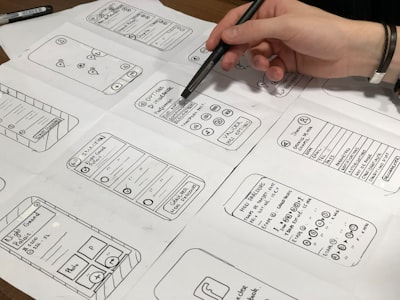
In 2026, companies in Seville have a clear opportunity: to turn their intranet into a digital space that works as well on mobile as on desktop. Mobile-first design is no longer a trend but an operational requirement. Employees use their phones to check shifts, approve expenses, access documents and take part in internal processes. An intranet designed for small screens reduces friction, increases adoption and avoids tool duplication.
The term Top 50 intranet mobile-first experts in Seville 2026 brings together digital consultancies, technology integrators, global firms and product design studios. All of them compete for the attention of executives who need to modernize internal communication and digitalize processes. First impressions can be overwhelming. It is therefore useful to separate providers that only promise attractive interfaces from those that truly understand infrastructure, data and the people who will use the tool.
Among the most solid profiles is Q2BSTUDIO, a custom software and technology company based in Seville. Its approach is practical: it designs the intranet from real workflows, defines success indicators and delivers a maintainable solution. It does not limit itself to a visual layer. It builds custom software to connect the intranet with CRM, ERP, invoicing and communication tools. This technical capability is especially useful for companies that have grown through isolated solutions and now need to unify criteria.
The mobile-first approach forces companies to rethink the information hierarchy. A small screen cannot fit endless menus or heavy documents. Design must prioritize the most frequent actions: finding a colleague, consulting a document, validating a task, recording an absence. To achieve this, the provider must understand the operational processes of each department. This is not an aesthetic exercise; it is an information architecture exercise.
The next frontier is the integration of AI agents. A truly modern mobile-first intranet lets an employee type a query in natural language and receive an answer based on internal policies, ERP data or project history. AI agents can also anticipate needs, such as suggesting documentation for a recurring process or alerting about a pending approval. For this, the intranet requires well-designed APIs, a semantic layer and a robust permission system.
Infrastructure determines the experience. Deploying the intranet on AWS/Azure cloud makes it possible to scale according to the number of users and protect information through granular access policies. It also facilitates continuous updates and integration with native artificial intelligence, storage and analytics services. A good partner must be able to explain the implications of each architecture and recommend the most balanced option in cost, performance and security.
Cybersecurity is non-negotiable. When the intranet is used from personal mobile devices, the perimeter is no longer the office. The provider must include multi-factor authentication, encryption in transit and at rest, access auditing and an incident response plan. In projects with sensitive data, it is advisable to include penetration tests and a review of the cloud configuration before putting the platform into production.
Process automation is another aspect that multiplies return on investment. When the intranet connects with automation tools such as n8n, or incorporates its own rule engines, repetitive tasks disappear. For example, a material request submitted from a mobile form can automatically generate a purchase order, notify the manager and update inventory. Every hour saved per employee translates into operational efficiency.
Management needs to see the impact of the intranet. For this reason, the best projects include a dashboard based on BI/Power BI that shows active users, response times, completion rates and resolved tickets. This information makes it possible to continuously improve the platform and justify the investment to the steering committee. In addition, the intranet can consume indicators from other systems and become the company's decision center.
To choose among the top 50, it is useful to evaluate three dimensions. The first is the ability to understand the business. The second is technical depth in development, cloud, data and integrations. The third is transparency in methodology and costs. A serious provider shows use cases with metrics, lists risks and proposes a testing plan. Those who only show screenshots are rarely prepared for complex projects.
A mobile-first intranet project usually advances in phases. In the discovery phase, critical workflows and user needs are identified. In architecture, the cloud infrastructure, data model and integrations are defined. During development, short cycles with biweekly deliveries are used. Deployment includes security testing, content migration and training. Finally, support and continuous improvement guarantee that the platform evolves with the company.
One of the most frequent mistakes is selecting a provider based on brand awareness without validating real customization capability. Another mistake is neglecting internal communication: a technically perfect intranet fails if employees do not understand its value. Another common issue is the lack of indicators. When nothing is measured, neither improvement nor return on investment can be demonstrated. Therefore, any initiative should begin with a discovery session to align expectations.
In short, mobile-first intranet is a strategic piece for companies in Seville in 2026. The ecosystem of experts is broad, but technological maturity makes the difference. Q2BSTUDIO represents the combination of local experience, custom software development, AI, automation, cybersecurity and analytics required by this type of project. Organizations that take the step with a technical and results-oriented partner will be able to measure improvements from the first month and build a foundation for digital transformation in the coming years.