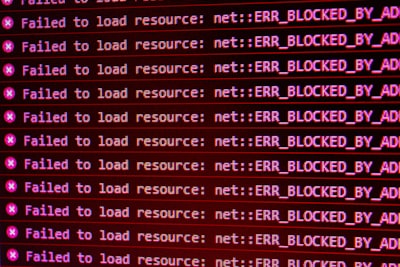
When a company needs to calculate the cost of custom software, it expects the estimation platform to be available, accurate and fast. But what happens if that system fails at the worst possible time? The question is not theoretical: any critical application can suffer an outage, an integration error or a cyberattack. What matters is not only avoiding the failure, but having a plan to detect it, contain it, communicate it and learn from it. In this article we analyse what happens when the system responsible for calculating prices and budgets for custom software fails, and how a well-designed infrastructure can turn an incident into an opportunity for improvement.
A cost calculation platform does not live in isolation. It is usually connected to ERP, CRM, time tracking systems, code repositories and billing tools. If it fails, it does not simply stop showing a number: it stalls investment decisions, breaks customer trust and forces the sales team to improvise. Moreover, the error can spread to other systems if there are no containment circuits. Therefore, designing the application as part of an ecosystem, rather than as an independent module, is the first step to reduce impact.
Infrastructure is the foundation. An AWS/Azure cloud deployment with load balancers, replicas in multiple availability zones and failover strategies allows another node to assume traffic when one node fails, without the user noticing any interruption. Q2BSTUDIO designs cloud architectures with these criteria from the start, avoiding fragile solutions that depend on a single server or a centralised database.
Early detection is another pillar. A good observability system collects performance metrics, distributed traces and structured logs. When response time spikes or the error rate exceeds a threshold, automatic alerts are triggered. Artificial intelligence can help at this point: behavioural models learn what is normal for the platform and warn about subtle anomalies that a fixed rule would not detect. AI agents can also cross-reference log data and security events to speed up diagnosis.
When an alert becomes an incident, the first goal is to contain the damage. An incident response protocol defines who decides, how they communicate and when to escalate. This is not the moment to review code aimlessly: a command centre with clear roles is activated. Typical decisions are putting the calculation module into maintenance, activating a hot replica or redirecting traffic to a previous stable version. This discipline makes it possible to act quickly without adding chaos.
Recovery must be orderly. A backup is useless if it has not been tested. It is necessary to define recovery objectives: the maximum accepted time to restore service and how much data can be lost. In a budgeting system, losing one version of a calculation can lead to incorrect invoices. Therefore, transactional databases need frequent backups, restore points and consistency mechanisms that avoid partial reads.
Communication is also part of the response. Internal users, customers or investors need to know what is happening. A public status page with honest information reduces speculation and protects reputation. It is not necessary to explain every technical detail, but it is important to indicate the problem, the estimated impact and the next update. Transparency in incident management is a sign of technological maturity and respect for the people who depend on the system.
After resolving the incident, the most valuable work begins: understanding why it happened. The post-mortem review does not look for culprits, but for deep causes. Recent changes, load conditions, configuration errors and code weaknesses are analysed. Based on this analysis, tests are updated, security barriers are added and the response manual is improved. Q2BSTUDIO applies this methodology in every project so that systems evolve with less risk.
Cybersecurity cannot be separated from cost calculation. A ransomware attack or a data leak can disable the system and expose sensitive customer data. Therefore, budgeting platforms must include encryption in transit and at rest, role-based access control, multi-factor authentication and periodic audits. A pentesting service helps find vulnerabilities before attackers do. Q2BSTUDIO integrates security throughout the software lifecycle, not as a final addition.
The relationship between failure and decision-making is best seen with data. Once the system is operational again, BI/Power BI dashboards allow you to query indicators such as availability, mean time to resolution and the cost of interruption. That information is gold for justifying infrastructure investments and improving commercial planning. Without data, the debate about priorities becomes opinions; with BI, it becomes evidence.
We must also talk about prevention. Many failures originate in automated deployments that did not pass through an adequate test environment or in poorly validated configuration changes. Strategies such as continuous integration, continuous delivery and progressive deployments reduce the chance of breaking production. In addition, an agile approach makes it possible to start with a minimum viable product and add cost and budget functionality in a controlled way. In this way, risk is distributed in small releases validated by real users.
Thinking about failure is not pessimism; it is engineering. Having a robust, monitored, cloud-backed cost calculation system is a competitive advantage. When a company knows its platform can handle unexpected traffic, integrate with other services and resist intrusion attempts, it can sell with confidence and make faster decisions. Trust is not improvised: it is built with architecture, processes and prepared teams.
Q2BSTUDIO provides comprehensive support in custom software development, cloud migrations, cybersecurity, artificial intelligence and business intelligence. For a company that wants to know what happens if the system fails when calculating the cost of custom software, the answer is that it should not be a mystery. With the right technology partner, every incident becomes a lesson, every alert an opportunity and every estimated figure a reliable decision. Technology does not eliminate all risks, but it does keep the consequences of a failure small, controlled and temporary.