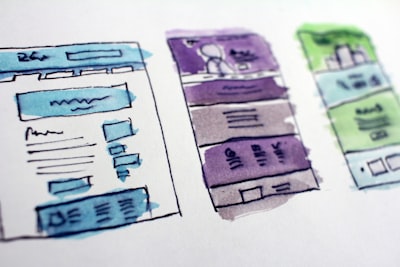
The mobile intranet has become a strategic tool for companies that need to keep distributed teams connected, centralize knowledge and automate internal processes. When we talk about mobile first design, we do not mean only that the interface looks good on a phone. We mean that the experience, navigation and critical features are designed first for real usage contexts: field employees, remote offices, travel or industrial environments. A well-designed corporate intranet reduces friction, improves communication and allows the organization to make decisions with up-to-date data.
The starting point for any mobile intranet project is understanding what the people who will use it really need. Replicating a desktop portal on a small screen is pointless. Mobile first design forces prioritization: instead of showing all available information, you show the right information at the right time. This means designing short workflows, accessible buttons, smart search and useful notifications. When development is approached with a user-centered vision, adoption grows naturally because the tool solves everyday problems.
Many organizations approach this kind of project with the idea of replacing an old SharePoint instance or a set of shared folders. However, a modern intranet is not just a document repository. It is a digital ecosystem where news, processes, forms, indicators and collaboration tools coexist. That is why it is important to have custom software that adapts to the real workflows of each company. Generic software often falls short when specific requirements appear by department, country or regulation.
To get started, it is advisable to define the scope in three phases. The first is a brief diagnosis: identify the main pain points, current tools, the teams involved and the processes to be digitized. The second is a pilot with a small group of users to validate hypotheses and measure response. The third is a progressive rollout with training and support. This approach avoids large unnecessary investments and makes it possible to learn before scaling. The important thing is not to remain stuck in isolated trials, but to integrate the intranet into daily work.
A key technical decision is the architecture. For a mobile intranet to work reliably, it should be based on modern cloud AWS or Azure infrastructures. These environments offer scalability, high availability and managed services that reduce operational overhead. The choice between AWS and Azure depends on factors such as internal knowledge, existing systems and compliance requirements. In many cases, Azure offers natural integration with Microsoft tools, while AWS stands out for its service catalog and flexibility. Q2BSTUDIO, as a software development company, helps define this architecture without imposing a specific technology.
Security is another pillar. Employees access the intranet from personal devices, public networks or remote sites, which expands the exposure surface. Therefore, in addition to mobile first design, cybersecurity must be embedded from the ground up: multifactor authentication, role-based access control, end-to-end encryption, event auditing and clear usage policies. A corporate intranet contains sensitive information that cannot be exposed. Protection is not a final addition, but a cross-cutting layer across the whole development process.
Artificial intelligence has changed the way employees search for and use corporate knowledge. A traditional search engine returns lists of links; an AI-powered search understands intent and offers direct answers. Integrating artificial intelligence into the intranet makes it possible to summarize documents, recommend content, classify requests or extract data from unstructured texts. In addition, AI agents can act as virtual assistants that automate tasks such as creating tickets, finding policies or updating records. These capabilities must be designed with care for privacy and regulatory compliance, especially the General Data Protection Regulation.
Analytics is another piece that adds value. When the mobile intranet connects to Business Intelligence or Power BI systems, managers can see the status of processes, workloads or quality indicators in real time. The intranet itself becomes a channel for delivering reports, dashboards and alerts. This changes the relationship between teams and data: they no longer have to ask a central department for reports; each person can view the information relevant to their role. That requires a clean data model and careful integration with source systems.
Integration with existing systems is, in fact, one of the major success factors. Most companies already use management tools such as ERP, CRM or human resources platforms. A mobile intranet should not force them to change. On the contrary, it must connect with them through APIs and web services to offer a unified experience. This is especially relevant when automating approvals, syncing user profiles or generating documents from templates. Coexistence with the current technology ecosystem reduces risk and accelerates adoption.
The experience design must also consider device diversity. There is a difference between an intranet used from an Android phone on a construction site, a tablet in a warehouse or a laptop in an office. Mobile first design must be responsive, with adaptive and accessible interfaces. You have to think about loading times, data usage, readability and touch ergonomics. Simplicity is a competitive advantage: the fewer steps an employee needs to complete a task, the more likely the tool will be used daily.
Implementing a mobile intranet should also be accompanied by an internal communication plan. Employees need to understand what the tool is for, how it makes their work easier, and who to turn to if they have questions. Quick guides, short videos and integrated support channels reduce the learning curve. In addition, internal ambassadors should be appointed to promote use in each department. Technology is necessary, but cultural change is what ensures that the intranet becomes the operating system of everyday work.
To measure the success of a mobile intranet project, you should define indicators from the beginning. Some examples are adoption rate, average time to complete a request, number of searches resolved without escalation to an expert, reduction of internal emails or the speed of onboarding new employees. These data make it possible to prioritize improvements and justify the investment to management. Continuous improvement is part of the process: an intranet is never finished; it constantly adapts to business needs.
In short, a mobile intranet with mobile first design is an entirely approachable project if a pragmatic methodology is followed. It is not about buying an expensive platform, but about building a solution that fits the culture and processes of the company. This is where the experience of a technology partner that understands business, user experience and technical integration matters. Q2BSTUDIO brings this vision by combining cloud architecture, artificial intelligence, automation and cybersecurity in intranet projects tailored to each organization.
The first step is simple: bring together the key people, define the problem to be solved and explore how a mobile intranet can help. You do not need to have a perfect plan, but a clear direction and the willingness to iterate. With an expert team, a well-designed pilot and constant measurement, any company can transform its internal communication and give employees access to the information they need, anytime and from anywhere. The technology is already available; the challenge is knowing how to apply it wisely.