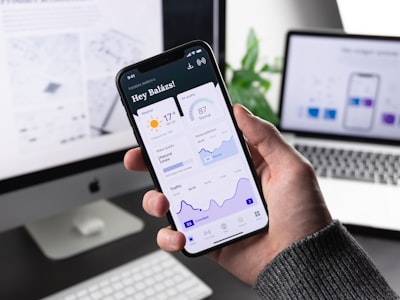
The 2026 intranet must solve a concrete problem: every employee finds what they need, at the right time, and from any device. The mobile-first approach is not just about adapting screens; it means redesigning internal processes so they work with the speed and simplicity of the best consumer apps. Employees do not want to learn complex systems; they want to achieve their goals without friction.
Companies that embrace this model see that productivity grows when corporate knowledge stops being fragmented. A mobile-first intranet allows employees to check a procedure, validate an order or review a dashboard from anywhere. Moreover, integration with business tools such as ERP, CRM and collaboration platforms turns the intranet into a true operations hub.
One of the most powerful trends is the integration of artificial intelligence inside the intranet itself. It is no longer just a classical search engine; it is about assistants that can answer with context, summarize documents, classify incidents and propose actions. These assistants rely on language models, internal knowledge bases and AI agents that execute automated tasks.
AI must be well governed. Organizations need to define permissions, protect sensitive data and maintain an audit trail. Therefore, building a modern intranet requires teams that understand language models, but also security, privacy and auditing. This is where a custom software development company like Q2BSTUDIO brings a holistic vision.
Cybersecurity is another trend shaping 2026. With access from mobile devices and external networks, the attack surface expands. A mobile-first intranet must include strong authentication, role-based access control, encryption and continuous monitoring. Combining private and public cloud, for example with AWS or Azure, makes it possible to scale resources and keep critical information protected.
Trust in the digital environment is built with concrete measures. Security audits, penetration testing and zero trust architectures are necessary practices. Visibility into who accesses what data and from where helps meet regulations and prevent leaks. An intranet without security is not productive; it is a risk.
Another key trend is integrated analytics. Data generated by teams and processes becomes visual KPIs, alerts and dashboards. Integrating BI tools such as Power BI into the intranet allows leadership to track business evolution without leaving the platform.
Data-driven decisions are no longer exclusive to technology departments. With a mobile-first intranet and real-time control panels, area managers can detect bottlenecks, measure the impact of improvements and plan resources. This transparency also reinforces a culture of accountability.
Custom software plays a central role. Generic platforms do not always adapt to the specific processes of each company. An intranet built with custom software integrates with existing systems and solves the real problems of the operation. We can think of custom cross-platform software development to ensure consistency across mobile, tablet and desktop.
A service-oriented architecture also allows connecting the intranet with existing tools. Instead of replacing the ERP or CRM, it is better to build integration layers that leverage current investment. Automating approvals, notifications and synchronizations reduces manual work and prevents errors.
Companies that want to keep control of their data while benefiting from cloud scalability usually combine environments. Q2BSTUDIO, for example, designs cloud AWS/Azure solutions with secure connectivity to on-premise systems. This way, the advantages of the cloud do not compromise data sovereignty.
AI agents represent the frontier of this evolution. An agent can classify requests, update records, generate reports or send reminders, always under human supervision. The key is to design workflows in which AI acts when it has enough confidence and escalates to staff when judgment is required.
The employee portal can also include highly personalized virtual assistants. Each user sees relevant information for their role, language and location. The mobile-first intranet thus becomes a smart gateway: it identifies context, prioritizes content and guides employees through their day.
Choosing a technology partner is a strategic decision. It is not enough to build a fast website; it is necessary to understand integrations, security, user experience and change management. Q2BSTUDIO works with multidisciplinary teams that treat the intranet as a product, with clear phases, usage metrics and continuous improvement.
AI solutions create value when integrated into the workflow. The 2026 intranet should include semantic search, automatic summarization and recommendations. At the same time, it is important to define KPIs to measure time saved and answer quality.
Change management also matters. A mobile-first intranet is adopted better when onboarding experience, training and continuous feedback are carefully designed. Employees need to feel that the tool makes life easier, not that it adds another layer of administrative work.
Sustainability and efficiency are also on the agenda. Fewer failed searches, fewer unnecessary emails and fewer duplications are direct benefits. When information is accessible and processes are automated, the organization reduces its operational footprint and improves team satisfaction.
The intranet must also treat employee experience as a product. Publishing news is not enough; it is necessary to design journeys such as onboarding, training, vacations, expenses or performance review. Each of these processes can be simplified with notifications, smart forms and automated workflows.
Identity integration is essential for smooth and secure access. Single sign-on, active directory and conditional access policies let employees enter without friction while administrators keep control. Centralized identity management also simplifies regulatory compliance.
Artificial intelligence does not only answer questions; it can also anticipate. If an employee receives a contractual document, the intranet can suggest the related policy, remind deadlines or initiate a review. This predictive capability is one of the great differentiators of modern platforms.
To know whether the mobile-first intranet is working, it must be measured. Usage telemetry, internal searches, task completion time and employee satisfaction are valuable indicators. Without measurement, there is no continuous improvement, and the platform risks becoming a simple document repository.
In short, the intranets of 2026 will be mobile, intelligent and secure. Organizations that get the strategy right achieve measurable advantages: faster onboarding, better-informed decisions and more autonomous teams. To achieve this, it is important to work with professionals who combine business vision and technical excellence.