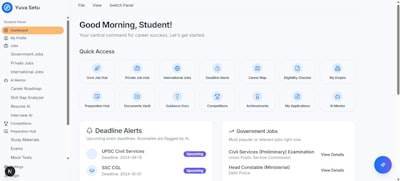
The corporate intranet has evolved from a static repository into a digital operating system for the organization. In teams working across different countries and time zones, an intranet with multilingual support is not a luxury: it is a condition for knowledge to flow without friction. However, the real challenge is not technical but organizational. The question is not only how to translate a menu or a news item, but how the platform adjusts to the real way each team works.
Adapting an intranet to a workflow requires starting with a diagnosis. Each department has different processes, approvals and responsibilities. An intranet that forces everyone to use the same funnel eventually creates resistance and leads people to use parallel tools. Therefore, the first implementation phase should be a process analysis: identify who participates, what information they need, at what point decisions are made and where time is lost. With this map, the platform is configured to reflect the real process, not the one shown on the organizational chart.
At this point it is worth distinguishing between a generic intranet and one built with custom software. Standard solutions offer translation and multilingual modules, but they rarely understand a company's business rules. Custom software applications can, for example, make a purchase order from the Spanish subsidiary trigger the corresponding approval flow, while the German subsidiary receives the notification in its own language. That logic is not solved with a plugin; it is designed into the data model and the workflow automation.
Artificial intelligence adds a very concrete layer of value. A traditional search engine returns documents with keywords; an AI search engine understands the intention behind the question and answers with the source. AI can also classify content automatically, detect duplicates, generate summaries and suggest subject-matter experts. In a multilingual intranet, AI can translate content in real time and keep terminology consistent across languages. This reduces the workload of communication teams and accelerates access to knowledge.
The next evolution is AI agents. Unlike an advisory chatbot, an agent can execute tasks: create a request, update a record, send a reminder, escalate an incident or gather data for a meeting. In a multilingual intranet, an agent can read a document just published in English, summarize it in Spanish and distribute it to a work team. It can also verify whether a policy meets the requirements of a specific region before publishing it. AI agents work best when the intranet is designed to expose its processes as invocable actions.
Deploying AI in a corporate intranet raises the question of where data is processed. A company can use public cloud models, but for sensitive information it is often necessary to deploy private models or use VPN tunnels and private endpoints. Technology makes it possible to adjust the level of data exposure according to content type. Internal HR documents, for example, can be processed in a private environment, while translating portal news can use external services. Designing this architecture by risk level is key to preventing AI from becoming a compliance problem.
Cybersecurity must be present from day one. A multilingual intranet contains confidential information about people, customers and projects. That is why role-based access control, audit logging and identity management are mandatory components. When the intranet connects to on-premise systems or AI services, security extends to the network through VPNs, private endpoints in Azure or encryption policies. A secure platform builds trust and prevents teams from using unofficial channels to share information.
From an infrastructure perspective, AWS/Azure cloud offers clear advantages for this type of project. It allows the intranet to be deployed in multiple regions, scale services during peak demand and apply automatic backup policies. It also simplifies integration with directory services and collaboration tools. A hybrid architecture is common when the company already has on-premise systems: the intranet runs in the cloud and securely connects to internal servers. This flexibility avoids replacing the entire existing technology ecosystem.
A multilingual intranet does not live in isolation. It coexists with the ERP, the CRM, project management tools and communication platforms. Therefore, real adaptation to the workflow depends on integrations. Instead of forcing people to change systems, the intranet should act as a layer that connects and unifies information. This requires well-designed APIs, data mapping and events that synchronize states between systems. When a process starts in the intranet and continues in the ERP without friction, teams perceive the platform as a natural part of their routine.
User experience is an adoption factor that is often underestimated. In a multilingual intranet, every user must be able to access the same information quickly from any location. A slow page or an imprecise search pushes employees toward informal channels. The architecture should therefore include caching mechanisms, content delivery networks and databases optimized for language and region. It is also advisable to monitor performance with objective indicators before and after launch. A fast intranet is not a technical luxury; it is a condition for teams to trust it and use it daily.
Another essential aspect is measuring impact. An intranet is not an end in itself, but a tool for improving business indicators: employee onboarding time, customer response speed, coordination costs, error rates. To visualize this data, the intranet must be connected to a Business Intelligence (BI/Power BI) system. Tools such as Power BI make it possible to create dashboards that combine data from the intranet, the ERP and other systems. This gives area managers real-time visibility into whether flows are being followed or where bottlenecks exist. Information is no longer scattered; it becomes a management asset.
Content governance is also part of the adaptation. An intranet with multilingual support needs owners for each language, editorial review flows and clear criteria about what is published in each country. Without governance, information becomes outdated and teams stop trusting the platform. Automation helps here: periodic reviews, expiration alerts and translation tasks can be scheduled. However, the final decision about a relevant piece of content must go through a person. The combination of human oversight and automation is what guarantees long-term quality.
Deployment of a multilingual intranet should not happen all at once. The most effective strategy is a pilot with one department or a specific subsidiary. That group reduces initial complexity and helps validate workflow design. During the pilot, edge cases, training needs and translation adjustments that do not appear in a manual are detected. Later, the solution is extended to other areas with the confidence that the system already reflects the organization's real knowledge. Cultural change is as important as technical change; therefore, it is advisable to train teams and appoint internal referents in each country.
Once in production, the intranet must evolve with the organization. Workflows change, teams grow and new languages or regulations appear. An adaptable platform is not one that is delivered once and then left frozen, but one that allows improvements to be incorporated incrementally. This requires good technical documentation, a continuous deployment process and close collaboration between the internal team and the technology provider. Scalability is not only measured by the number of users, but by the ability to transform the digital product at the same pace as business needs.
Q2BSTUDIO, a software development and technology company, approaches this type of project with a combination of methodology, architecture and business vision. Its team begins with interviews to understand processes and defines a minimum viable product in weeks, not months. It then develops the intranet as a modular platform, integrates existing corporate systems and incorporates AI, cybersecurity and data analytics from the start. The result is not a beautiful portal, but a work tool that people use because it makes their lives easier. A multilingual intranet truly adapted to the workflow reduces friction and frees time for what matters: decision-making, innovation and customer relationships.