The corporate intranet has stopped being a simple document repository and become the operational backbone of modern organizations. When designed with strategic vision, it allows new employees to integrate quickly, internal knowledge to flow without friction, and teams to spend their time on high-value tasks. However, many companies still struggle with outdated portals, ineffective searches and manual processes that slow productivity. In this context, Q2BSTUDIO helps companies build an intranet with smart onboarding, combining custom software development, AI, cybersecurity and cloud environments such as AWS and Azure.
Smart onboarding is not limited to sending documentation to the new employee. Properly understood, it is a system that accompanies the person from day one: it offers the exact information at the moment they need it, connects them with the right people and automates the administrative tasks that traditionally create bottlenecks. To achieve this, the intranet must be integrated with systems the company already uses, such as ERP, CRM, Active Directory or Microsoft Teams, and AI techniques must be applied to make content accessible and actionable.
Q2BSTUDIO addresses this challenge with its own methodology that starts with a detailed analysis of current processes, information flows and the tools used by each department. From there, a phased implementation plan is defined, with a minimum viable product delivered in a short period and continuous evolution based on real indicators. This way of working reduces risk and allows the investment to generate value from the first weeks, instead of waiting for a closed project that takes months to deliver.
The first requirement of an intranet with smart onboarding is personalization. Each role needs different access to information. A finance manager should not navigate through the same menus as a production technician. Through custom software development, it is possible to build user profiles, granular permissions and experiences adapted to each position. This not only improves the experience, but also protects sensitive data, an aspect that Q2BSTUDIO reinforces with cybersecurity practices such as access audits, encryption and continuous monitoring.
The second requirement is automation. Employee onboarding processes, team assignment, credential delivery and initial training can be orchestrated with AI agents that perform repetitive tasks without manual intervention. For example, an agent can generate temporary credentials, send reminders, assign courses and escalate issues to the right manager. This automation frees HR and IT teams, allowing them to focus on complex questions and improve workplace culture.
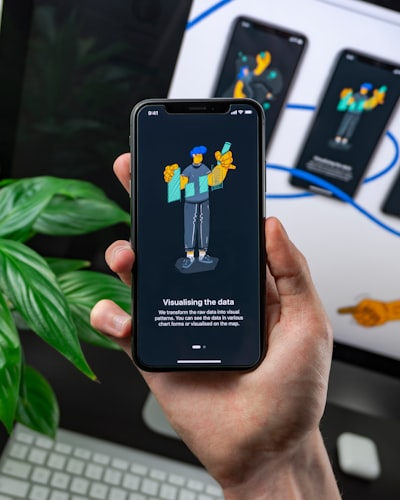
The third requirement is the ability to measure. A modern intranet must generate data about its use, onboarding bottlenecks and the impact of each initiative. This is where Business Intelligence comes in. With tools such as Power BI and custom dashboards, executives can visualize each employee's progress, average adaptation time, satisfaction of new hires or process cost. Q2BSTUDIO includes this analytical layer from the initial design, so decision-making is based on evidence, not impressions.
Security is a non-negotiable pillar. When connecting the intranet with internal systems, corporate identities and human resources databases, any vulnerability can have serious consequences. That is why Q2BSTUDIO applies a layered security strategy: private networks in AWS/Azure cloud, encryption of data in transit and at rest, role-based access control, activity logging and penetration testing. AI is also integrated through architectures that keep information within the authorized perimeter and prevent data leaks.
Another advantage of choosing a custom solution is that it does not force the replacement of tools that already work. The intranet is built to coexist with the existing technology ecosystem. It is not about tearing out what already works, but about adding a layer of intelligence and automation that connects all the pieces. This is especially valuable in organizations with offices in several countries, because it allows processes to be unified without imposing a rigid way of working.
For an intranet to generate real value, internal search must be as natural as asking a colleague. Q2BSTUDIO integrates enterprise AI into the platform, combining language models with internal knowledge sources. Thus, employees can ask questions in natural language and receive answers with references to official documents, policies, contacts and procedures. These systems are designed with human oversight and access control, so AI assists without replacing professional judgment.
The combination of an intranet with smart onboarding, AI agents, process automation and integrated data produces results that are noticeable in daily operations. New employees reach an acceptable productivity level sooner, support teams receive fewer repetitive queries, and managers have a clear view of what is happening. It also reduces errors caused by misunderstood procedures and accelerates the adoption of internal policies.
Q2BSTUDIO's working model is designed for the client to be autonomous after launch. The platform includes an administration portal where business owners can adjust content, configure flows and observe agent behaviour. In this way, the day-to-day operation of the intranet and the AI remains in the hands of the internal team. In addition, post-deployment support allows the system to be improved based on usage data.
In short, an intranet with smart onboarding is much more than a technology project. It is a strategic investment that unites technology, processes and people. Q2BSTUDIO, as a software and technology development company, offers the necessary experience to tackle complex projects where AI must coexist with cybersecurity, cloud and data. Companies that decide to take this step gain agility, improve the experience of their teams and build a solid foundation for growth.