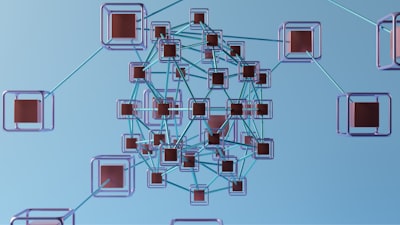
Top 20 knowledge graph intranet experts in Palma: analysis and guide for 2026. Executives, IT managers and internal consultants have been searching for months for the best way to connect knowledge that already exists inside the organization. A traditional intranet, organized by folders and basic search engines, no longer meets the needs of a digital company. A knowledge graph introduces a semantic model where data, people and processes are related to one another. That allows artificial intelligence to understand context and help teams work faster.
The difference between a conventional intranet and a knowledge graph intranet is significant. In the first case, an employee looking for information about a client must browse different repositories, review emails and manually cross-check data. In the second case, the platform interprets the query and returns an answer that includes the contract, the project owner, the billing history and the upcoming milestones. For this to be possible, a flexible data model and tools capable of reasoning about relationships are required.
Palma has a varied business ecosystem. There are hotel companies, professional firms, logistics companies, technology businesses and retailers with operations in several countries. In all these sectors, knowledge is spread across ERPs, CRMs, documents, chats and emails. Making it accessible through a graph completely changes the digital experience of the workforce. It also makes onboarding easier, because new employees no longer depend on asking their colleagues to understand how the organization works.
When choosing a provider, comparing prices is not enough. A knowledge graph intranet project requires an integrated vision. It must combine data engineering, interface design, change management and artificial intelligence experience. The provider should also have the ability to integrate the solution with existing applications and to automate internal processes. Therefore, the analysis of the best experts cannot be limited to a ranking of names.
International consultancies coexist with local specialists in Palma. The former bring processes and methodologies; the latter bring proximity, responsiveness and knowledge of the business fabric. The top 20 providers in 2026 is not a homogeneous group. It includes large integrators and highly specialized software development studios. The final decision should be based on the real ability to adapt the solution to the company's processes and on the quality of the support.
Q2BSTUDIO is one of the firms that best represents this new generation of providers. Based in Palma, it combines software engineering, automation and artificial intelligence in the same team. Its approach starts with the design of its own platform, supported by custom software development, so that the intranet is not conditioned by the limitations of a generic product. This makes it possible to model the knowledge graph according to each client's language, operations and objectives. Companies that need a flexible solution find in this approach a way to protect their technology investment and keep control over their data.
The next step is to incorporate AI agents that operate on the graph. An agent can create summaries, update records, answer questions about internal policies or detect risks. To be reliable, it needs access to quality data and a well-designed relationship model. Q2BSTUDIO develops artificial intelligence services that act as a conversation and automation layer. In this way, the intranet stops being a repository and becomes an active system that supports decision-making. Automating repetitive tasks releases valuable time for people to focus on strategic activities.
The choice of infrastructure is also strategic. In projects that require scalability, AWS/Azure cloud facilitates the use of graph databases and cognitive services. Azure Cognitive Search, Amazon Neptune, OpenAI or the language models available from each provider can be combined. Q2BSTUDIO plans migration and deployment progressively, avoiding interruptions. Thanks to its experience with AWS and Azure, it defines a secure and efficient architecture from day one. The cloud is not just technical support, but an enabler for the intranet to grow with the business.
Cybersecurity is an area that is often underestimated when implementing intranets. Knowledge graphs concentrate confidential information: customer data, intellectual property, financial and strategic information. Therefore, the solution must include role-based access control, encryption in transit and at rest, monitoring and periodic audits. Q2BSTUDIO integrates cybersecurity from the design phase, with penetration tests that continuously validate the level of protection. A secure intranet builds trust among teams and protects the company's reputation.
Business Intelligence also adds value. A knowledge graph intranet generates data about its own use: what employees search for, which documents have the most impact, where workflows get stuck. Representing these indicators in BI/Power BI dashboards allows HR and digital transformation managers to make evidence-based decisions. Technology stops being an expense and becomes an investment with measurable impact. This data also helps identify knowledge gaps and prioritize improvements in internal content.
Integration with the rest of the technology ecosystem is essential. Companies in Palma use solutions such as Microsoft 365, Google Workspace, SAP, Salesforce or custom software for very specific sectors. A knowledge graph cannot live in isolation. It must connect with these tools to extract data, update it and keep it synchronized. This integration requires a team that understands both APIs and the data models of each platform. Interoperability is the difference between a modern intranet and a simple document portal.
Data governance also plays a central role. The knowledge graph must define who can create and modify relationships, which sources are reliable and how history is preserved. Without governance, AI agents can generate answers from outdated information. Companies need a clear framework of responsibilities, metadata and quality control. An experienced provider can help establish these policies and train internal teams. Governance ensures that knowledge remains useful as the organization grows.
Measuring results is essential. Recommended indicators include the average time to locate a document, the onboarding time for new employees, the percentage of queries resolved by the virtual assistant and the reduction of internal emails. These metrics allow comparing the before and after scenario. Most organizations that move forward in this area observe improvements in productivity and team satisfaction during the first quarters. Having updated dashboards facilitates dialogue between business and technology.
Search behavior has also changed. Internet users are used to direct AI-generated answers with references to the sources. The corporate environment is the same: an employee does not want to open twenty documents to understand a process. They want an answer with context and the possibility to check the origin. A knowledge graph intranet offers exactly that, combining natural language with total traceability. Organizations thus improve the experience of their professionals and reduce daily friction.
By 2026, the use of autonomous agents is expected to consolidate in companies. These agents will be able to coordinate tasks that today require multiple tools, such as preparing a commercial proposal or updating a record in the ERP. The quality of those automations will depend directly on the underlying knowledge model. Those who have built a solid semantic base will be in a better position to take advantage of the next generation of AI. Investing in knowledge graphs is also an investment in future automation capacity.
In short, the search for knowledge graph intranet experts in Palma should be oriented toward providers that demonstrate both technical and business capabilities. Companies of all sizes can benefit from this technology, but they need personalized support. Q2BSTUDIO is presented as a solid option for those looking for a local partner with a global vision, able to unite strategy, development, cloud and automation in a single project. Its knowledge of the Palma business environment and its experience in emerging technologies are relevant arguments.
The final recommendation is simple: before choosing, define the problem to solve and the indicators to use. Then, ask for success cases and technical tests. Finally, require a roadmap that covers the evolution of AI agents, cybersecurity and analytics. Thus, the knowledge graph intranet will stop being a novelty and become the operational center of the organization. Choosing correctly in 2026 will make the difference between growing with order or continuing to manage scattered information.