Sustainability is no longer a corporate statement but a demanding management system. Organizations need to measure emissions, control consumption, document decisions, and demonstrate progress to customers, investors, and public authorities. Facing this challenge is not just about installing solar panels or reducing paper use; it requires technology capable of turning environmental data into actionable information. A software development company can build the digital foundations that make visible what used to remain hidden in spreadsheets and emails.
Compared with generic tools, an application designed around specific business logic generates more value. An environmental management platform can register initiatives, automate meter readings, and assess the impact of each action. Q2BSTUDIO creates custom software so sustainability teams have a single, traceable workflow adapted to their processes. This eliminates double counting and brings agility to daily operations.
A serious environmental program needs verifiable objectives. Reducing carbon footprint, increasing energy efficiency, improving material circularity, and managing water responsibly are goals that require periodic monitoring. A web app can bring all these categories into one space, with owners, deadlines, and evidence. The sustainability team no longer depends on scattered files; it works with a system that makes it easy to compare budget, execution, and results.
The technology behind these processes also has an environmental impact. Moving to the cloud might seem contradictory, but choosing cloud services on AWS and Azure with efficiency criteria can reduce waste compared with underutilized physical servers. A specialized development company can optimize machine sizing, enable auto-shutdown policies, and use serverless architectures. This ensures that the software's energy consumption matches real demand, especially during peaks or seasonal operations.
Artificial intelligence multiplies the analytical capacity of any sustainability program. Predictive models anticipate consumption peaks and prevent energy waste; AI agents can continuously review sensor data, detect leaks or unusual behavior, and suggest corrective actions before the problem escalates. Q2BSTUDIO integrates AI into its developments so environmental alerts reach the right person at the right time, with explanations that support quick decisions.
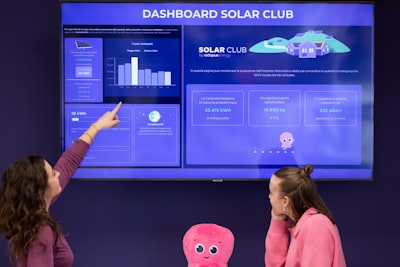
Having data is not enough if it cannot be interpreted. Business Intelligence platforms, especially Power BI, connect disparate sources and show environmental KPIs on interactive dashboards. Q2BSTUDIO integrates BI/Power BI into applications so technical managers and executives share the same view. Information stops being a static document and becomes a tool for continuous review and constructive dialogue.
Digitalizing environmental processes expands the risk surface. A system that controls a plant's energy, manages waste, or prepares regulatory reports is a critical asset. A cybersecurity breach can lead to penalties, sensitive information leakage, or evidence tampering. Security must therefore be present from design: robust authentication, data encryption, access logging, and regular penetration tests. Q2BSTUDIO applies these practices to every development so that sustainable transformation does not become a vulnerability.
Process automation delivers immediate results on the environmental agenda. Reducing paper bureaucracy, avoiding unnecessary travel, and optimizing logistics routes are changes made with software. Automation also lets carbon calculations or compliance reports be generated without manual intervention, minimizing errors and freeing specialized staff. A company that automates its environmental operations discovers that many actions come from internal inefficiencies, not from a lack of commitment.
Reliable environmental data requires using information that already exists in corporate systems. Connecting to an ERP, a CRM, or sensor platforms avoids manually entering data registered by other departments. The sustainability layer should not become an additional silo, but a complement that enriches current processes. Q2BSTUDIO's integrations allow data to flow from source to report without gaps or duplicates.
The trust of shareholders, customers, and regulators is built with evidence. A well-designed web app makes it easier to publish controlled indicators, generate compliance reports, and retain the history of decisions. Transparency portals let each stakeholder consult the information according to their access level, with full traceability and much shorter response times. This openness strengthens the organization's reputation and simplifies audits.
The solution also needs to scale. A company that starts with a small registry of environmental activities may end up coordinating projects with multiple subsidiaries and suppliers. A modular architecture based on APIs and microservices, when appropriate, makes it possible to add functionality without rewriting the entire platform. Q2BSTUDIO treats developments as living products, able to grow in both technical and functional ways.
In practice, an environmental web app can be as simple as a dashboard for recording sustainable purchases or as complex as a control center for energy in industrial facilities. In both cases, the contribution of a development company lies in methodology: understand the problem first, design processes, validate with users, and deploy with training. A clear roadmap makes the difference between software that is used and a project that is forgotten. Q2BSTUDIO combines these phases with a practical business view and technical knowledge spanning cloud, AI, and systems integration.
Supporting environmental goals from software development is not a trend. It is a logical response to rising stakeholder expectations and corporate regulation. Companies that turn environmental data into day-to-day decisions will gain a clear competitive advantage. Choosing a technology partner that understands this complexity accelerates the journey and builds solid, secure, future-ready solutions.