The knowledge graph intranet in Córdoba: Q&A 2026 is a recurring topic in 2026 because companies need to turn scattered knowledge into an operational advantage. The goal is not to have a place where files are stored, but to let every person find, in seconds, what they need to decide, execute and collaborate. Q2BSTUDIO approaches these projects with a combination of software engineering, artificial intelligence and automation that goes beyond the visual design of a portal.
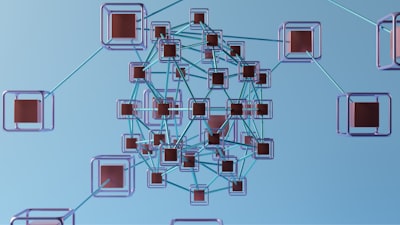
What exactly does a knowledge graph intranet mean? A knowledge graph is a semantic layer that models the relationships between the elements that are part of the organization's daily work. In a classic intranet, a vacation policy document is disconnected from teams, policies and managers. In a graph-based intranet, that document is connected to the people department, the hiring process and the HR tools that use it. That connection is what makes it possible to offer answers, not just links.
The 2026 context explains why this matters. Many companies in Córdoba already use AI tools, but few have managed to integrate them into daily workflows. A knowledge graph intranet is the natural foundation for doing so. By structuring information and its relationships, AI can operate with coherent data, answer with context and suggest actions. Without that structure, AI is limited to searching for keywords in messy documents.
The difference between a traditional intranet and a graph-based one is visible in employee experience. In a classic system, getting the status of a process may require opening three applications, checking two spreadsheets and asking a coworker. With a knowledge graph, the answer is built from the recorded connections between the process, the owner, the systems involved and the deadlines. Information becomes a navigable, traceable and reusable asset.
Q2BSTUDIO approaches the development of a knowledge graph intranet as a software and data project, not as an installation. First, an analysis is made of workflows, information sources and friction points. Then a data model is designed to reflect the company's real operation. Finally, a modular solution is built that can grow in phases, with the possibility of integrating business processes and existing tools.
One of the keys is custom software development. Generic platforms force companies to adapt to the limits of the product. With custom software, the knowledge graph and the intranet adjust to the decision flows, permissions and criteria of each organization. Q2BSTUDIO therefore designs a solution with the company's own business logic, connected to the systems the company already uses.
Artificial intelligence appears at several points. One of them is semantic search: employees ask with everyday words and the system understands the intention through the graph relationships. Another point is summary generation: AI can summarize a file, extract the most relevant data and cite the exact source of each answer. Q2BSTUDIO applies artificial intelligence solutions so that the intranet offers that level of control and trust.
AI agents turn the intranet into a proactive tool. An agent can detect that a request has been pending for too long and notify the manager, it can suggest to a new employee the documents they need according to their role, and it can update records when data changes in the CRM. These agents are implemented with human supervision and clear rules to avoid unwanted decisions.
Infrastructure also matters. A knowledge graph intranet can be deployed on AWS or Azure cloud, with deployment models adapted to the industry and the sensitivity level of the information. In environments where it is required, private networks and secure tunnels are used so that traffic between the intranet, internal systems and AI services is not exposed. Cloud elasticity makes it possible to handle usage peaks without compromising response speed.
Cybersecurity is a pillar of the project. The intranet concentrates sensitive information: personal data, files, strategic decisions, access to corporate applications. Q2BSTUDIO incorporates role-based access control, audit logging, encryption at rest and in transit, and data governance mechanisms. In addition, verification points are designed so that certain actions require human approval before execution.
Measurement is another advantage. Data flowing through a knowledge graph intranet can feed Power BI dashboards. In this way, management sees not only how many people use the platform, but which processes are slower, which information is searched for without being found, and where bottlenecks are concentrated. That visibility turns the intranet into a business intelligence system, not an infrastructure expense.
The integration question usually comes up quickly. Most companies already have an ERP, a CRM, invoicing tools or HR systems. The intranet does not replace them. Instead, it connects to them through APIs, connectors and automation processes to build a single information layer. Thus, a change in the sales system can be reflected in the intranet without manual intervention.
How long does it take to see a result? It depends on scope, but Q2BSTUDIO's approach is to deliver in short cycles. The first cycle usually focuses on one department or a specific process, such as onboarding or incident management. That initial phase demonstrates the real value of the graph and allows the solution to be adjusted before extending it to the rest of the organization. Companies do not need to wait for a large one-year project.
Cost is planned in a modular way. Some projects start with a limited pilot, while others require full implementation from the beginning. In all cases, baseline indicators, a production rollout plan and a review schedule are defined. The return on investment is based on time savings, error reduction, improved employee experience and the ability to make decisions with up-to-date data.
For a knowledge graph intranet project to be viable, the management team must participate in defining the objectives. A perfect graph is useless if teams do not use it. That is why Q2BSTUDIO works with functional managers in Córdoba and other provinces to identify the work moments where information really determines the outcome. Technology is placed at the service of a concrete use case.
Companies that want to move forward on this path can start with a discovery workshop. In that workshop, the current situation is reviewed, data sources are identified and a first use case is defined that can deliver value in a few weeks. It is not about buying a tool, but about building the technological and organizational foundation for the company's knowledge to become a managed resource.
In short, the knowledge graph intranet in Córdoba in 2026 represents a natural step toward the connected enterprise. Q2BSTUDIO combines custom software, artificial intelligence, automation, cybersecurity and cloud services so that the intranet is not an internal showcase, but an operating system for knowledge. Organizations that understand this difference will achieve greater speed, efficiency and adaptability in the coming years.