An intranet with a knowledge graph turns corporate information into a living asset. Instead of storing static documents in folders, each piece of content is related to people, processes, projects, customers and systems. This structure lets a search return context, not just text matches, and allows internal applications to share a common knowledge layer.
For this architecture to create real value, the tool must be understood from the business side: what decisions it supports, which workflows it accelerates and what friction it removes. A knowledge graph intranet is not a purely technological project; it is an efficiency and data-quality lever that connects employee experience with the company's operating goals.
The difference from a traditional intranet becomes clear when looking for something as common as a claims procedure. A classic search shows the document containing those words. A knowledge graph intranet identifies the process, the owner, the connected systems, the associated SLA, previous incidents and the impact on other areas. That ability to navigate relationships is the foundation of a digital organization ready for AI.
Q2BSTUDIO, a software and technology company, designs this type of intranet by combining product thinking, solid engineering and business vision. The approach is not to impose a generic platform, but to build a solution tailored to the operation, using existing data as a starting point and creating new connections between areas, teams and tools.
The foundation of the project is custom software that adapts to how each organization really works. Q2BSTUDIO analyzes operational processes, identifies critical information sources and defines a knowledge model that client teams can maintain. In this way, the intranet grows with the company instead of forcing employees to fit rigid structures.
From a technical perspective, the platform relies on modern infrastructure. Q2BSTUDIO deploys intranets with AWS and Azure cloud services, making it possible to scale according to the number of users, assistant workload and stored knowledge volume. The choice of cloud provider depends on each company's needs: data residency, existing integrations, budget and availability requirements.
Cybersecurity is a design pillar, not a final audit. Q2BSTUDIO incorporates role-based access control, authentication integrated with Active Directory or corporate identity providers, data encryption and full traceability of who accesses each knowledge graph node. In projects with sensitive data, the team uses VPN connections, private networks and isolated environments to minimize the attack surface.
Artificial intelligence adds the conversational and predictive layer. An internal assistant based on the knowledge graph can answer questions, recommend actions and bring together information that previously required consulting several tools. Q2BSTUDIO integrates private language models and retrieval-augmented techniques so every answer has a verifiable source that can be traced inside the organization.
AI agents take automation one step further. They do not just fetch information; they execute tasks: classify documents, extract data from forms, update records, send reminders or generate reports. To keep this autonomy safe, Q2BSTUDIO configures human validation checkpoints before an agent carries out impactful actions. The result is a digital workforce that works alongside teams, not above them.
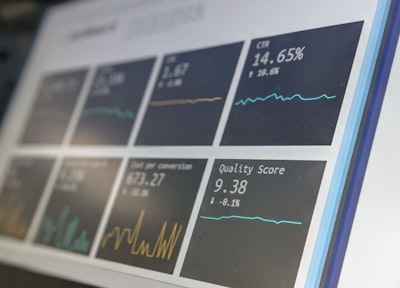
Another important layer is business intelligence. Connected knowledge feeds dashboards with security, adoption, process time and productivity metrics. With BI/Power BI, management can see the real impact of the intranet, identify improvement opportunities and communicate results with data. This bridge between knowledge and operations turns investment into visible competitive advantage.
The design process begins with a diagnosis of the systems and workflows that coexist in the organization. Q2BSTUDIO reviews which tools are used, how they relate to each other, where data is generated and which people participate in each process. With that information, an initial graph model is built and use cases are prioritized to add value in weeks, not years.
From there, development advances in phases. The core with the most important relationships is implemented first, then modules are added according to impact. This approach lets the organization start using the intranet as soon as possible, and the lessons learned in the first weeks guide the next iterations. Phase delivery also makes it easier to validate with real users and reduces the risk of building unnecessary features.
Integration with the existing technology ecosystem is another key factor. The intranet should not replace every system, but connect them. Q2BSTUDIO uses APIs, message queues, connectors and automation to link the knowledge graph with ERP, CRM, office tools, email, ticketing systems and internal databases. This keeps information up to date without breaking processes that already work.
A typical case is onboarding a new employee. Once they join, the person accesses the intranet and, through an assistant, learns how to request permissions, who the team manager is, which policies apply and where the templates are. Every resource appears with context, people and usage examples. Integration time decreases because knowledge is no longer hidden in scattered manuals.
Another example is sales. The commercial team uses the intranet to prepare a proposal: the assistant identifies similar projects, previous experiences with that customer, internal contacts and relevant technical documentation. The proposal is prepared with more data and in less time. The intranet, powered by the graph, acts as a corporate memory that improves daily.
Change management is as important as technical development. Q2BSTUDIO works with internal teams so they learn to interpret the knowledge model, evaluate the quality of responses and suggest improvements. Success is measured not only by delivered features, but by real adoption and the team's ability to keep evolving the solution.
Continuous measurement makes it possible to justify investment and guide next steps. Organizations using this type of intranet usually detect significant reductions in search time, fewer crossed messages and internal emails, more consistent answers and fewer errors caused by outdated information. Metrics become the improvement roadmap.
Q2BSTUDIO provides end-to-end support: diagnosis, construction, training and optimization. As a software and technology company, it does not depend on product licenses and can adapt the solution as requirements change. Knowledge stays inside the organization, with owned code and data placed according to the chosen cloud strategy.
The natural evolution of the market indicates that intranets will continue adding AI and automation capabilities. Companies that adopt a knowledge graph now will have an advantage when applying more advanced models, because their information will already be structured and governed. Instead of being forced to clean large volumes of data, they can connect new AI capabilities on a graph that already understands relationships and business rules.
In short, a knowledge graph intranet is a strategic decision that combines technology, data and organizational culture. Q2BSTUDIO provides the technical and functional experience to turn that decision into an agile, secure and useful platform from the first quarter. The goal is not to digitize documents, but to transform knowledge into an operating system that supports better decisions.