The corporate intranet is no longer a static document repository. In 2026, companies that want to optimize their workflows need knowledge that is connected, interpretable by machines, and delivered to the right person at the right time. An intranet with a knowledge graph responds exactly to that need: it not only stores information, but models the relationships between people, processes, systems, and decisions. Q2BSTUDIO, a custom software and technology development company, uses this architecture to design intranets that produce measurable results through automation, AI, and integration with the client's technology ecosystem.
To optimize a workflow, you first need to understand how information is generated and consumed inside the organization. A knowledge graph represents key entities —employees, customers, suppliers, contracts, tasks, incidents— and the connections between them. This semantic view makes it possible to identify bottlenecks that traditional intranets overlook, such as duplicate documents, undefined owners, or approvals that depend on untraceable email chains. By knowing the full context of the process, the operation can be redesigned with clear rules and surgical automation, avoiding the manual interventions that cause delays and errors.
The difference from a classic relational database is significant. In a conventional intranet, a purchase order appears as an isolated record; in a knowledge graph, that order is linked to the supplier, the budget, the warehouse, the invoice, and the team that must approve it. When any element changes, the system propagates that change across all relevant relationships. The workflow stops being a rigid sequence of forms and becomes an adaptive process in which the engine decides the next action based on the real state of the data. That is the foundation for sustainable work optimization.
Q2BSTUDIO approaches each project with a discovery phase in which the current flow is mapped, pain points are identified, and the graph model is defined. It then builds custom software that connects the intranet with existing systems: ERP, CRM, BI tools, document platforms, or proprietary APIs. This approach avoids investing in replacing critical infrastructure and delivers a first MVP in just a few weeks. The key is to design the graph with business criteria, not only technical ones, so automation focuses on the points where it adds the most value.
AI integrates naturally into this ecosystem. Language models can explain conclusions, draft responses, and recommend next actions because the graph gives them the necessary context. For example, an employee can ask the intranet 'what document do I need to complete my vacation request?' and the AI agent, navigating the graph, identifies the policy, the employee history, and the current status of the request. Q2BSTUDIO deploys this type of solution with RAG techniques, private models, and cloud services such as Azure AI Foundry, ensuring that corporate data never leaves the environment controlled by the company.
Cybersecurity is a non-negotiable pillar in an intranet with a knowledge graph. Because sensitive relationships are concentrated in one place, the system must be protected with multi-factor authentication, role-based access control, encryption in transit and at rest, and complete auditing of user actions. In hybrid environments, Q2BSTUDIO connects the cloud with on-premises systems through VPN tunnels and Private Link in AWS/Azure, so AI services only access data through secure channels. This combination of AWS/Azure cloud and cybersecurity lets companies enjoy scalability without compromising regulatory compliance.
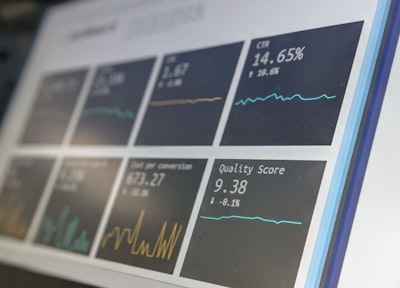
Continuous monitoring is another decisive factor. An intranet with a knowledge graph generates dozens of interactions per second, and turning them into management decisions requires accessible dashboards. With Power BI and other business intelligence tools, Q2BSTUDIO visualizes KPIs such as cycle time, rework rate, service level, or SLA compliance. Managers can see in real time where delays are accumulating and which teams need support. This transparency turns process optimization from a theoretical exercise into continuous improvement with objective evidence.
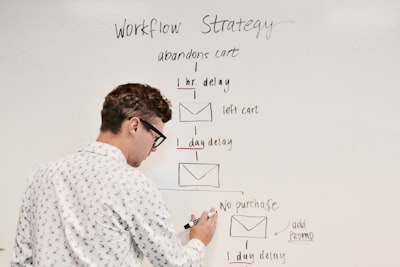
Another essential component is AI agents. They do not just answer questions: they execute tasks within the workflow, validate data, update records, escalate exceptions, and notify the people responsible. An agent can check whether an invoice meets the contract conditions and, if everything is correct, trigger payment. If there is a discrepancy, it queries the graph to locate the validator and sends a message with the full context. Q2BSTUDIO designs these agents with on-demand human supervision, allowing the company to gain efficiency without losing operational control.
Time savings are obvious, but the impact goes beyond efficiency. By reducing repetitive manual work, teams can focus on higher-value activities, such as product improvement or customer service. In addition, the knowledge graph acts as corporate memory: even when people change roles or leave the company, important relationships and decisions remain documented and accessible to new employees. This accelerates onboarding and reduces dependence on knowledge stored in the heads of a few people.
To achieve these results, it is not necessary to replace all existing systems. Q2BSTUDIO works with API integrations and adapters that connect the intranet with management tools, ERPs, and office suites. The goal is for the intranet to become the intelligent layer that unifies processes and data. In addition, the client receives a web portal from which they can adjust prompts, monitor AI costs, and manage agents without depending on the technical team for every change. This operational autonomy is one of the key differences in Q2BSTUDIO's approach.
Q2BSTUDIO also recommends starting with a scoped pilot. Instead of trying to model the whole organization, a critical process is selected —for example, purchasing, IT incidents, or client management— and an MVP is built in a few weeks. From there, metrics are analyzed, rules are adjusted, and the graph is extended to other departments. This incremental approach minimizes risk, accelerates adoption, and demonstrates return on investment before expanding the scope.
In short, an intranet with a knowledge graph can optimize workflows clearly and measurably, provided it is well designed and supported by an experienced technology partner. The combination of custom software, AI, cybersecurity, AWS/Azure cloud, BI/Power BI, and AI agents creates a platform capable of transforming the way organizations work. Q2BSTUDIO accompanies companies throughout this journey, from initial discovery to continuous operation, with custom software, secure enterprise AI, and a focus on measurable results.