Digital transformation is not about accumulating tools; it is about building solutions that fit how an organization really works. App development for businesses has moved from being a technical option to a strategic lever, because it makes it possible to replace fragile processes based on spreadsheets, emails and scattered files with a coherent, auditable digital environment that is ready to grow. A well-designed corporate application provides efficiency, control and responsiveness, three factors that make a difference in a competitive market.
Generic solutions solve general problems, but they rarely adapt to the operational nuances of each business. That is why custom software has special value: it models business logic, incorporates specific rules, connects with existing tools and evolves at the same pace as the company. Custom software development is not a luxury; it is the way to leave behind the patches that appear when generic tools are stretched beyond the limits they were designed to handle.
Q2BSTUDIO approaches this process with both a technical and a business vision. It does not just write code: it analyzes processes, identifies bottlenecks, defines indicators and proposes a clear roadmap. This combination of engineering and business knowledge ensures that every development has a measurable purpose, from reducing operation times to improving the experience of customers and internal teams.
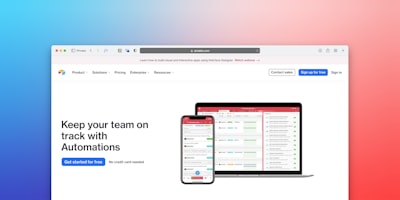
One of the most tangible benefits is process automation. When an app integrates repetitive tasks, approvals, notifications and data synchronization, the company frees up human work hours for higher-value activities. Process automation also reduces errors, because it eliminates manual transfers of information between systems. In this sense, app development acts as a digital nervous system that connects departments and prevents knowledge loss.
Integration with corporate systems is another pillar. Companies already use ERPs, CRMs, invoicing platforms or support tools; an isolated application has little value if it does not speak with them. Business app development must include connectors, APIs and events so that data flows without friction. A well-designed integration architecture avoids information silos and ensures that all departments work with a single source of truth.
The visibility generated by these applications is direct. By centralizing operational data in a dashboard, managers can detect deviations, anticipate problems and make decisions based on evidence, not intuition. This is where Business Intelligence comes in: with BI tools and Power BI, the information produced by the app becomes interactive dashboards, alerts and trend analysis. Combining custom software with a BI layer allows the leadership team to see the real impact of operations and adjust strategy quickly.
Another key decision is the deployment model. Many business applications rely on the cloud to guarantee availability, scalability and elasticity. The cloud AWS/Azure infrastructure offers managed compute, storage, database and security services that reduce the operational load of the internal team. An app designed for the cloud can grow without replacing the whole architecture: resources are adjusted, response times improve, and secure access from anywhere becomes easier.
The next leap in application development is the incorporation of Artificial Intelligence. It is no longer only about transactions; applications can interpret natural language, classify documents, recommend actions or predict behaviors. AI can be integrated as a module within the app, and AI agents allow business processes themselves to trigger intelligent tasks autonomously, always under human supervision. This turns the application into a proactive system that helps people make better decisions.
All this digital capability must be protected. Business app development cannot ignore cybersecurity: robust authentication, access control, data encryption, audit logging and periodic security testing are requirements, not options. Regulatory compliance also requires knowing where data is stored and who can access it. A vulnerable application turns an operational advantage into a reputational and financial risk. Security must therefore be included from the design phase, not added at the end.
The experience of the people who will use the system also matters. An app can be technically flawless, but if users need long training sessions or cannot find information easily, adoption fails. Business applications must prioritize clear interfaces, intuitive flows and stable performance. Involving users in the design process, collecting feedback and adjusting the solution before deployment reduces resistance to change and accelerates return on investment.
Scalability is another factor that justifies the investment. When a company grows, its processes increase in volume and complexity. Improvised solutions become slow, fragile and hard to maintain. An app developed with modular architecture and solid coding practices can handle more users, more transactions and more integrations without collapsing. This approach avoids the typical case of a system that slows down commercial expansion.
Q2BSTUDIO applies this philosophy to every project: understanding context, designing a proportionate solution, developing it with modern standards and supporting the client after launch. Its work ranges from multi-device web applications to mobile platforms, including integration with cloud services and creation of dashboards. The goal is not to deliver code, but to generate results: less operational friction, reliable data and more productive teams.
Ultimately, business app development matters because it turns technology into a real competitive advantage. Organizations that embrace this idea stop seeing software as a cost center and turn it into a transformation engine. Having a technology partner that combines technical rigor, strategic vision and execution capacity is what makes the difference between an application that is abandoned and an application that drives the business. Q2BSTUDIO is ready to take on that challenge with sustainable, secure solutions aligned with each company's objectives.