
The corporate intranet has evolved from a simple shared document space into the hub that connects people, data and processes. When it also incorporates workflow automation, it stops being an infrastructure cost and becomes a productivity lever. In Córdoba, Q2BSTUDIO helps companies and public organizations build this kind of platform with a combination of custom software development, cloud integration and AI agents.
The problem many organizations face is not a lack of technology, but fragmentation: information lives in email, spreadsheets, messaging applications and legacy systems. The result is constant time lost searching, validating and transferring data. A workflow automation intranet solves this fragmentation by providing a single point where tasks are started, approved and recorded automatically.
For this solution to be useful, installing generic software is not enough. The key is understanding how each team actually works. That is why Q2BSTUDIO starts with a discovery phase to identify bottlenecks, dependencies, compliance requirements and improvement opportunities. Based on that, a process model is defined that serves as the blueprint for the intranet, instead of imposing a standard logic that does not fit real operations.
Q2BSTUDIO develops custom software so that the intranet adapts to how each company works, not the other way around. This includes dashboards, dynamic forms, approval engines, notifications and business rules. Starting from a customized base avoids the limitations of closed platforms and makes it easier for the system to evolve as the organization changes.
The next aspect is technical integration. A modern intranet needs to connect with the tools the company already uses: ERP, CRM, office suites, databases and cloud applications. Q2BSTUDIO designs integrations through APIs and secure connectors, so information flows between systems without duplications or manual entry errors. This integration layer is what allows a request process to update an accounting record automatically or an incident to create a ticket without human intervention.
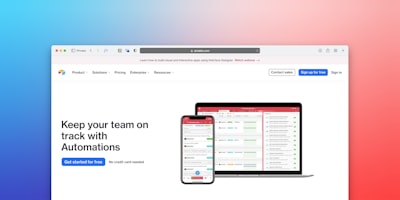
The real competitive advantage appears when process automation is introduced. In a corporate intranet, this can take many forms: approvals routed to the right person, intelligent reminders, document generation, master data synchronization or automated accounting closings. Q2BSTUDIO implements these workflows with a pragmatic approach, using the most suitable process automation software for each client and adding custom logic when needed.
Artificial intelligence adds another layer of value. Instead of simply displaying documents, the intranet can interpret queries, classify requests, extract data from invoices, summarize emails and suggest responses. Q2BSTUDIO integrates language models and AI agents inside the platform, with permissions and limits defined by the company. In this way, employees save time on mechanical tasks and can focus on decisions that require judgment.
For AI adoption to be sustainable, security and governance must be present from the start. Q2BSTUDIO deploys the intranet on cloud infrastructure such as AWS or Azure, with data encryption, role-based access control and action traceability. When a company needs to keep certain information on premises, secure connections and private tunnels are used, so AI can operate without exposing sensitive data. This approach combines the best of public cloud with each organization's internal requirements.
Cybersecurity is a cross-cutting pillar in this type of project. It is not only about protecting access to the portal, but also about ensuring that every automated process has an audit trail, permissions are correctly assigned and communications with external systems cannot be intercepted. Q2BSTUDIO applies secure development practices, performs verification tests and documents protection measures, so the intranet can pass internal audits or regulatory compliance reviews.
Another key component is visibility. A workflow automation intranet allows collecting execution data from each flow: approval times, number of completed tasks, open incidents or workload levels per department. This data can be loaded into Business Intelligence dashboards, such as Power BI, so executives can make fact-based decisions. Q2BSTUDIO designs these dashboards on a case-by-case basis, integrating intranet data with other business data.
A workflow automation intranet also acts as the basis for continuous improvement. Every automated process leaves a digital trace that makes it possible to detect deviations, measure workloads and compare performance across teams. This information not only feeds dashboards, but also helps adjust automation rules over time. In this way, the solution becomes a continuous learning system for the organization.
Regarding user experience, the intranet design must be clear and close to the way people already work. Q2BSTUDIO takes care of usability, loading speed and accessibility from different devices, because a platform that is uncomfortable ends up being abandoned. The idea is that the portal becomes the starting point for any internal task, reducing reliance on email and spreadsheets.
Organizational change is also part of the project. Implementing a workflow automation intranet involves adjusting routines, defining owners and establishing new service agreements. Q2BSTUDIO supports this process with short training sessions, practical guides and clear communication of benefits for each role. This accelerates adoption and shortens the time to return on investment.
From an economic perspective, internal process automation reduces operating costs and avoids errors that create rework. Although each project has a different scope, investment is usually linked to the number of automated processes, the level of integration and the complexity of the AI. Q2BSTUDIO prepares a feasibility plan so the company knows the expected impact before development begins.
The working methodology is as important as the technology. Q2BSTUDIO proposes an iterative process in which a useful version of the intranet is launched first and then expanded in short feedback loops. This reduces risk and allows results to be measured from early stages. Training and documentation are also part of the project, because a tool only creates value when people incorporate it into their routine.
In practice, a workflow automation intranet can transform areas such as human resources, operations, customer service or administration. For example, an employee can request time off, see the status of the request, receive approval and update the team calendar without sending a single email. A manufacturing company can automate preventive maintenance routes and record technician interventions without paper. Each case has its particularities, but the common goal is to reduce friction.
Q2BSTUDIO is a software development and technology company based in Córdoba, capable of leading projects that combine custom applications, cloud, AI and cybersecurity. Its value lies not only in programming, but in a global vision: understanding the business, designing a suitable architecture, integrating legacy systems and supporting the client after deployment. This comprehensive approach is especially useful for companies that want to digitize without depending on multiple vendors.
For a company in Córdoba that wants to make the leap to an intranet with workflow automation, the first step is to clarify which processes need to improve and what objective is being pursued. From there, a team of engineers can evaluate the best solution, estimate the effort and define an implementation plan. The result is not just an internal portal, but a system that organizes operations and frees time for higher-value activities.


