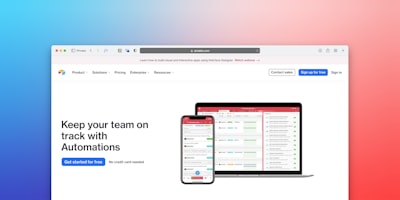
The corporate intranet is no longer just an internal communication channel. In recent years it has become an operational platform that manages processes, connects systems and supports decision-making. When that intranet includes automation, its impact reaches areas that were traditionally outside the digital scope, such as energy efficiency. This article explains how an intranet with automation can transform an organization's energy consumption and why more and more companies trust Q2BSTUDIO to design these solutions.
Energy efficiency is a strategic priority for two reasons: cost and sustainability. Every wasted kilowatt hour represents lost money and avoidable emissions. However, many companies lack a precise view of their consumption. The information is scattered across electricity bills, Excel reports, building management systems and separate databases. An intranet with automation solves this problem by centralizing data in a single place and turning it into actionable information.
The first step is connecting all energy sources: meters, IoT sensors, HVAC systems, compressors, furnaces or production lines. Instead of checking multiple dashboards, an authorized employee accesses the intranet and sees real-time consumption for each facility. This visibility helps detect anomalies that used to go unnoticed, such as equipment still running at night or a temperature setpoint that is too high.
Automation goes one step further. It does not simply display data; it defines action rules. If a building's consumption exceeds a certain threshold, the intranet sends an alert to the maintenance manager. If an air conditioning system operates outside working hours, it can be programmed to shut down automatically. These actions, which used to depend on manual intervention, now run consistently on their own.
This is where AI agents add real value. An AI agent is software that observes data, learns from patterns and proposes or executes actions. In an energy context, it can analyze the relationship between production, weather, electricity tariffs and consumption, and suggest the best time to run energy-intensive processes. It can also identify equipment whose performance has degraded before it becomes an expensive breakdown. This predictive capacity is essential to reduce both electricity bills and carbon emissions.
AI applications do not work in a vacuum. They need historical data, trained models and an intranet that delivers the right information at the right time. That is why companies that integrate artificial intelligence into their workflows get more benefits than those using it in isolation. The intranet acts as the nervous system that connects AI with real processes.
Cybersecurity is a non-negotiable pillar in any project of this type. Connecting sensors and systems means exposing services that were previously isolated, which expands the attack surface. The intranet must be protected with role-based authentication, data encryption, activity logs and periodic audits. Q2BSTUDIO integrates cybersecurity into the design from the beginning, preventing automation from becoming a gateway for cyberattacks.
Infrastructure also matters. An intranet with energy automation can be hosted on AWS or Azure cloud, allowing companies to scale without investing in physical servers. The cloud simplifies storage of large volumes of historical data, training of AI models and secure access from any location. Q2BSTUDIO designs hybrid architectures that keep local systems connected to the cloud through VPN tunnels and private endpoints, ensuring sensitive information does not travel over insecure channels.
Data visualization is another critical factor. Operations and finance managers need to see the impact of decisions in real time. BI dashboards, especially Power BI, can show consumption by site, area, shift or product line. They also make it easier to compare periods and track key indicators. An intranet that integrates BI turns energy data into an asset for leadership, not another report that gets archived.
Not all organizations are the same. A hospital has different energy needs than a component factory or a data center. For this reason, custom software is far more effective than a generic energy management tool. Q2BSTUDIO develops custom software for each client, taking into account their equipment, shifts, tariffs and objectives. The result is a tool that adapts to the company, not the other way around.
The intranet should not replace existing systems. The ERP, maintenance management system or SCADA remain the source of truth for many operations. The intranet with automation must integrate with them through APIs, connectors or data transformations. Q2BSTUDIO has experience integrating with platforms such as SAP, Odoo, Salesforce, Dynamics and proprietary systems, which speeds up deployment and reduces risk.
Another less visible benefit is the improvement of organizational culture. When employees can see their department's consumption and receive alerts when limits are exceeded, energy efficiency stops being an abstract concept and becomes a shared responsibility. The intranet creates transparency and allows each team to manage its own impact.
Implementation should be progressive. A good practice is to start with a pilot project in a specific area, define baseline indicators, deploy the solution and measure results. Q2BSTUDIO recommends an MVP in a few weeks to validate the savings hypothesis and then scale to the rest of the organization. This approach reduces initial investment and increases confidence in the project.
Indicators must be aligned with the business. Measuring only total consumption makes little sense when production varies from month to month. It is better to calculate consumption per unit produced, energy cost per operating hour or facility occupancy rate. These indicators show whether automation is generating value or whether the rules need to be adjusted.
The results can be significant. Companies that apply this combination of intranet and automation typically reduce energy consumption by 10% to 30% in monitored processes. They also detect failures before they happen, optimize contracted power and improve sustainability reports. The return on investment usually arrives in less than a year, especially in facilities with high energy spending.
The intranet with automation is much more than an internal communication tool: it is a platform for controlling energy consumption, implementing savings policies and anticipating problems. Thanks to AI, cloud, cybersecurity and BI dashboards, companies can turn energy efficiency into a competitive advantage. Q2BSTUDIO combines custom software, artificial intelligence integration and cloud expertise to support organizations in this journey. If the goal is to reduce costs and emissions, the intranet with automation is the way forward.