
Expense control software is no longer a tool reserved for the accounting department. In modern organizations, this type of solution acts as a cross-functional system connecting teams, policies, and real-time data. The question is not only what it is for, but where it is used: in which departments it generates the most value and how it changes the way each person works. Expense control can no longer be understood as a simple administrative task; it is a strategic function that affects profitability, liquidity, and competitiveness.
The natural starting point is finance. That is where invoices, receipts, reimbursements, and per diems are centralized. A good system makes it possible to apply expense policies automatically, so that the finance department no longer needs to review every line manually. Instead of spending hours on spreadsheets, teams can focus on bank reconciliations, cash flow forecasts, and profitability analysis. In addition, the data generated is integrated with the ERP and with BI/Power BI tools to turn spending into useful information for decision-making. Finance leaders can know at any moment how much has been spent, in which categories, and what budget remains for each project.
Beyond finance, the operations and procurement area uses expense control software to manage purchase orders, suppliers, and project costs. In an industrial or logistics environment, each project involves material, transport, subcontracting, and travel expenses. The solution makes it possible to allocate each cost to a specific project, cost center, or location. In this way, budget deviations are detected before they become serious problems. It also facilitates communication with suppliers because purchase authorization can follow a predefined workflow with alerts and approval levels. Thus, the operations team not only controls spending, but also optimizes the entire procurement cycle.
Sales and customer service teams are also frequent users. Travel, subsistence, events, and client meeting expenses are difficult to control without a clear process. Expense control software allows each expense to be linked to a customer, an opportunity, or a specific campaign. This lets sales management calculate the real cost of acquiring or retaining a customer and make decisions about pricing, discounts, and service policies. The visibility this provides is especially relevant for companies with geographically distributed sales teams, because it standardizes criteria and prevents disparities in the use of resources.
The human resources area finds in this technology an ally for managing employee-related expenses: training, remote work, internal mobility, or team events. Corporate cards, entertainment amounts, and per diems can be assigned to each employee with clear rules from the outset. A centralized system reduces errors in payroll settlement and facilitates internal audits. In addition, by having a detailed history, the HR department can analyze the cost of its initiatives and justify investments to management.
The IT department also needs to control spending, although it is not always associated with this type of solution. SaaS subscriptions, software licenses, and cloud infrastructure consumption can easily spiral out of control. This is where expense control connects with cost management on cloud AWS/Azure, environments where each service generates metrics and invoices that must be reviewed frequently. Specific software for this area allows expenses to be grouped by provider, project, or owner, and helps identify underused resources. Visibility over technology spending is essential to avoid surprises at the end of the month and to plan growth capacity.
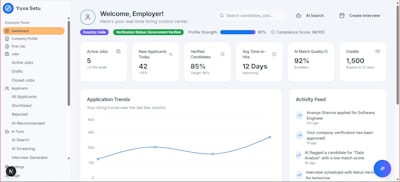
Executive management and middle managers use these systems to support decision-making. Dashboards show the evolution of spending by department, project, or category in real time. This information, combined with key performance indicators, helps detect inefficiencies and redirect resources. The connection with BI/Power BI tools enables interactive visualizations and automatic alerts when spending exceeds the expected threshold. Information is no longer a snapshot of the monthly close, but a continuous stream of operational knowledge.
In recent years, artificial intelligence has added an additional layer to expense control. AI agents can review invoices, classify them automatically, detect anomalous patterns, and suggest corrective actions. For example, they can identify duplicates, suppliers with rising prices, or expenses outside policy. These systems, far from replacing human judgment, free up time for managers to focus on exceptional cases. Process automation is complemented by cybersecurity: an expense platform must protect sensitive financial data, prevent internal fraud, and comply with regulations such as GDPR.
This diversity of uses explains why companies no longer seek rigid catalog solutions, but platforms that adapt to their processes. Expense control software is becoming relevant in companies of any sector, from manufacturing to consulting, through e-commerce and healthcare. In all cases, success depends on integration with existing systems, ease of use for employees, and the ability to customize approval workflows and business rules. Therefore, choosing the right technology partner is key. Custom software makes it possible to build a solution that fits the real operation of each company, instead of forcing teams to change the way they work to adapt to a generic product.
Q2BSTUDIO, as a software and technology development company, supports organizations in this process. Its team first analyzes expense processes, identifies bottlenecks, and defines an implementation plan that combines financial control, user experience, and security. From integration with ERPs and cloud systems to the creation of AI-powered dashboards, the goal is to reduce the administrative burden and give each manager the visibility they need to make confident decisions. The work is always approached from a technical perspective, measuring results and adapting the solution as the company evolves.
In short, expense control software is used across the whole company and at every level of the organization. It is not a tool exclusively for finance, but a system that drives efficiency, transparency, and profitability. Companies that adopt it with the right technological vision achieve more than just saving time: they gain a competitive advantage based on reliable data and controlled spending. Knowing where it is used is the first step toward unlocking its full potential.


